Help Protect Assiniboine Forest
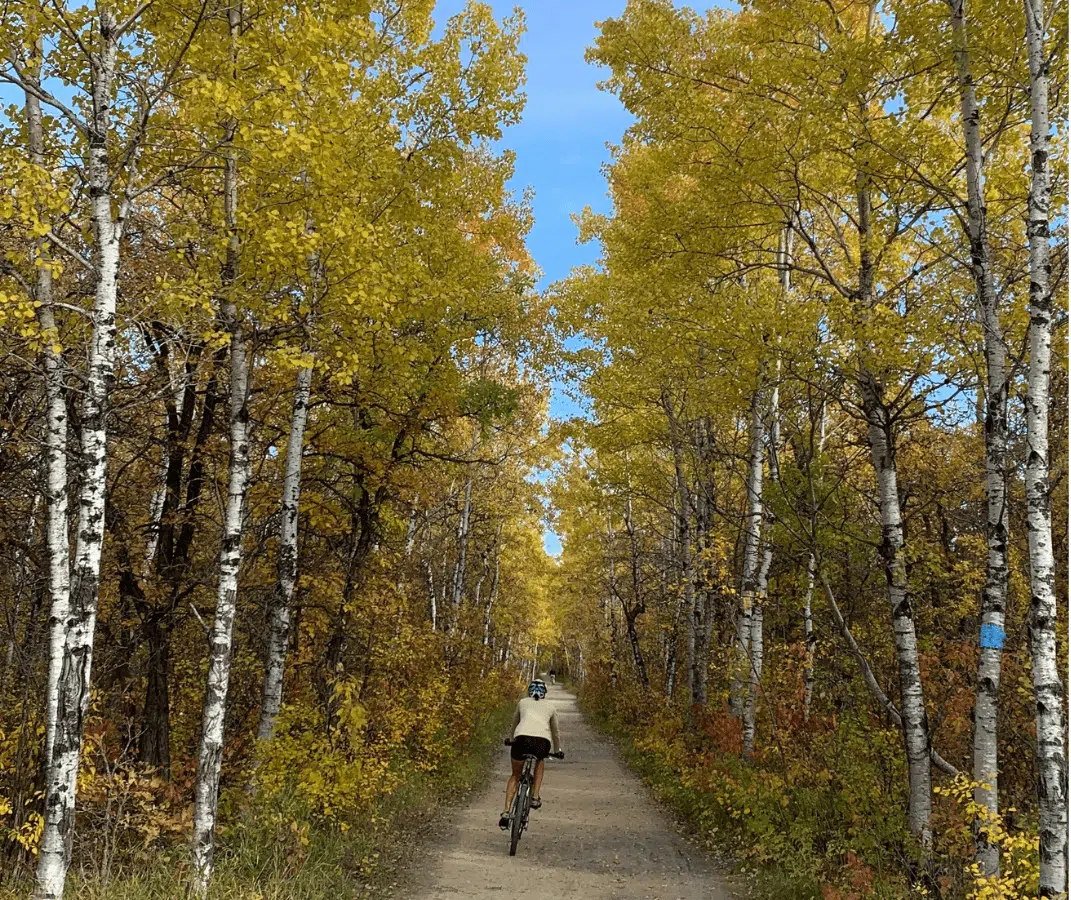
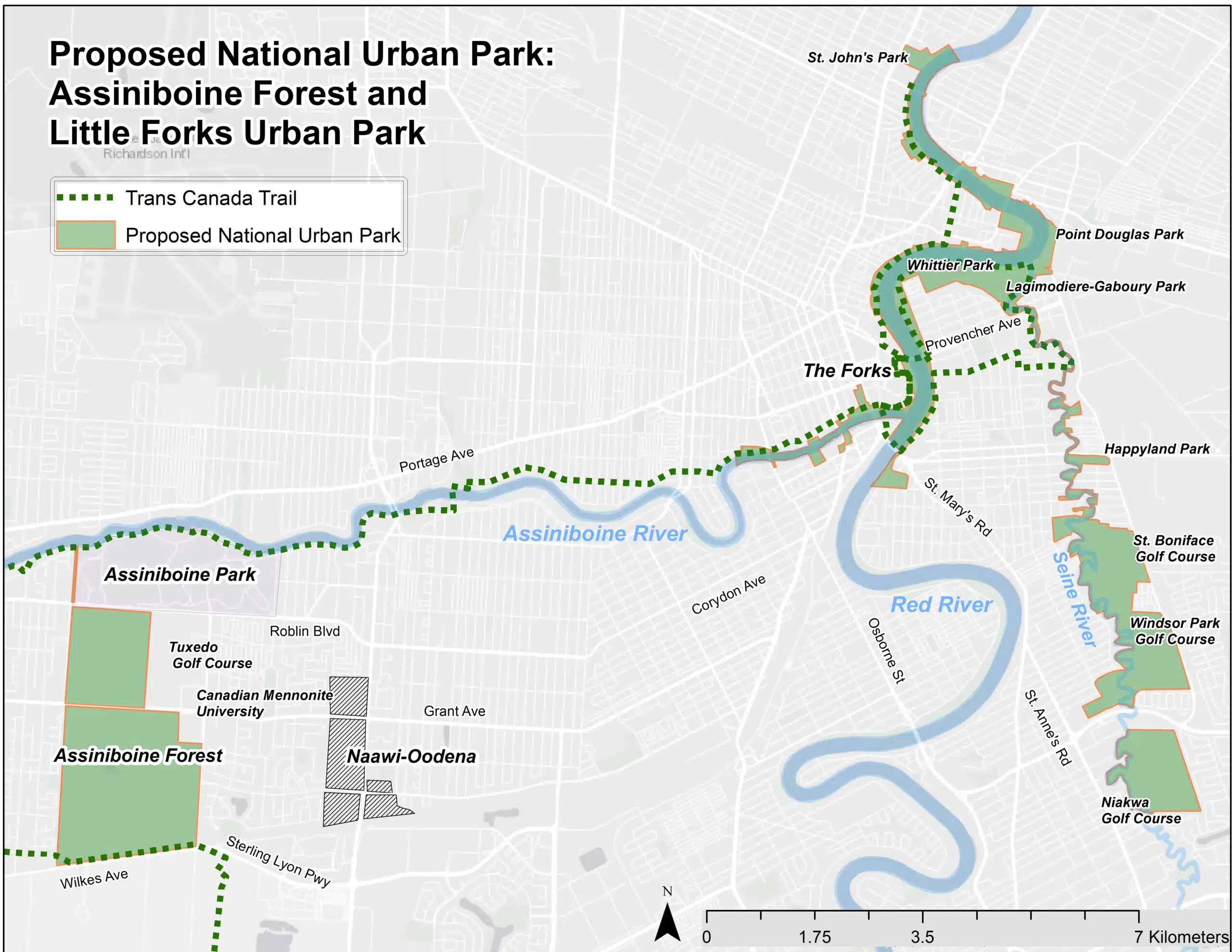
Assiniboine Forest, located near Naawi Oodena and nestled between River Heights and Tuxedo, is a location that we believe should be considered as part or all of Winnipeg’s National Urban Park.
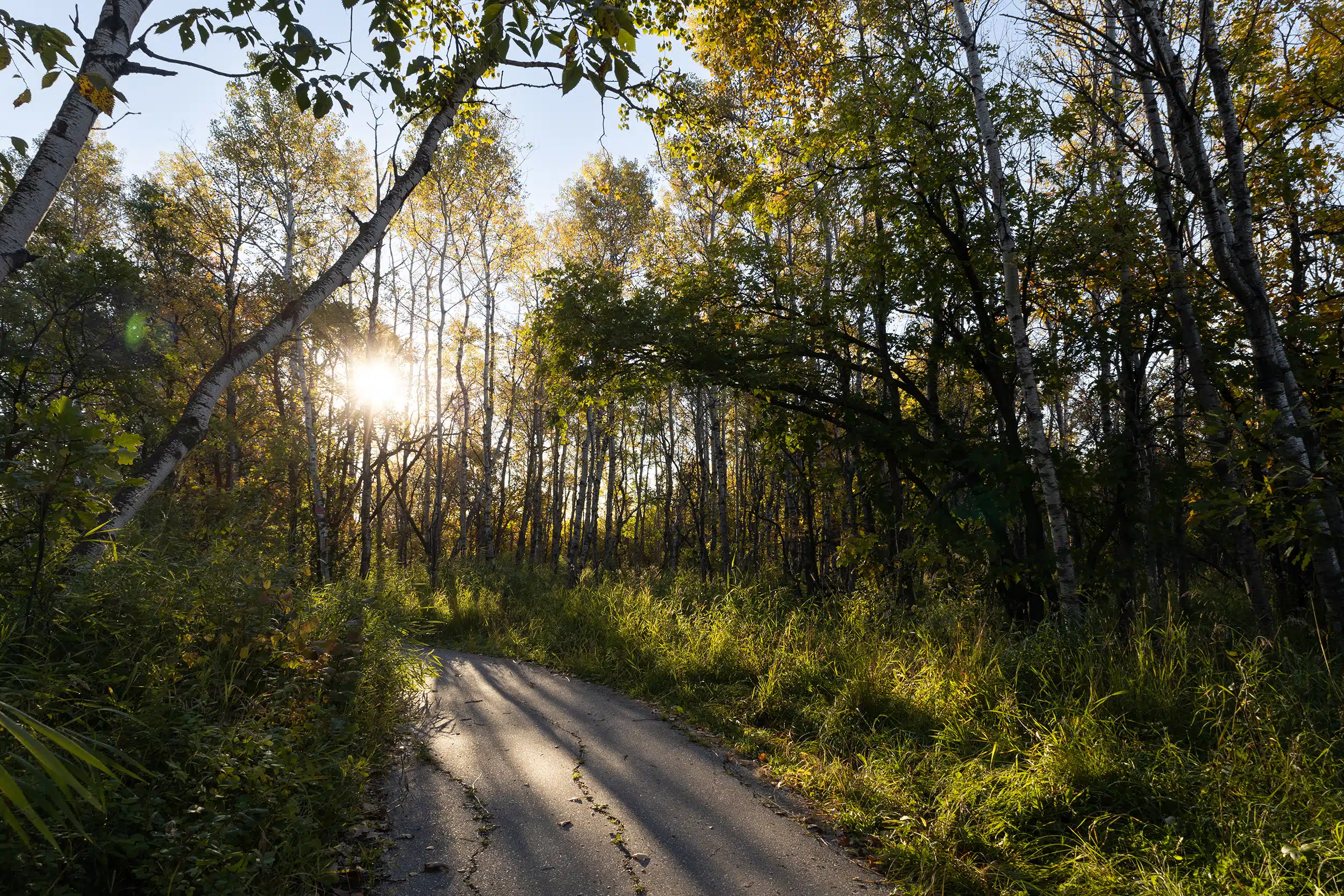
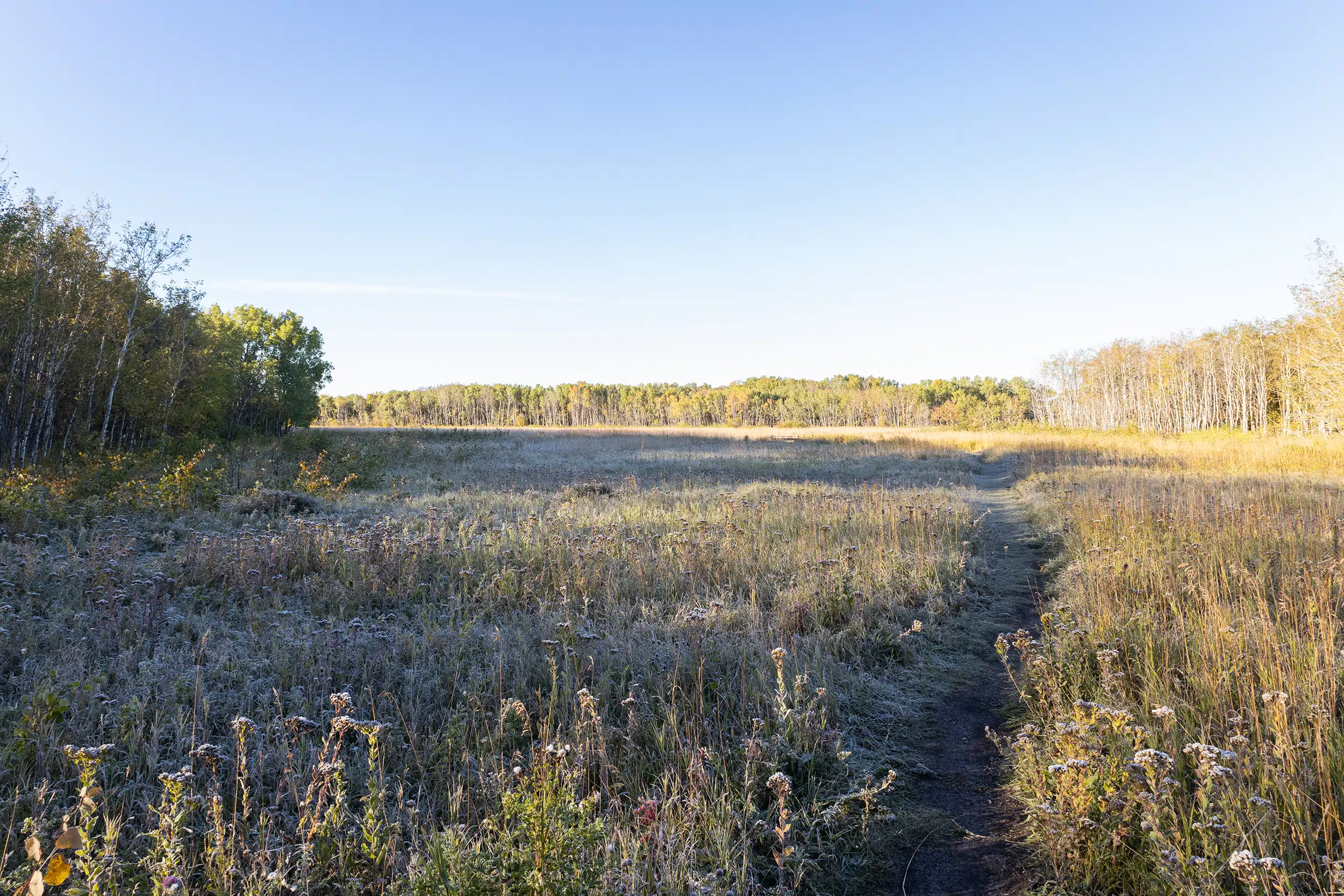
According to the Friends of Assiniboine Forest, Assiniboine Forest is the largest urban forest in Canada with 711 acres of aspen and oak forest, restored tall-grass prairie and wetlands. It is home to white-tailed deer, coyote,
songbirds, nesting waterfowl, and 256 species of plants.
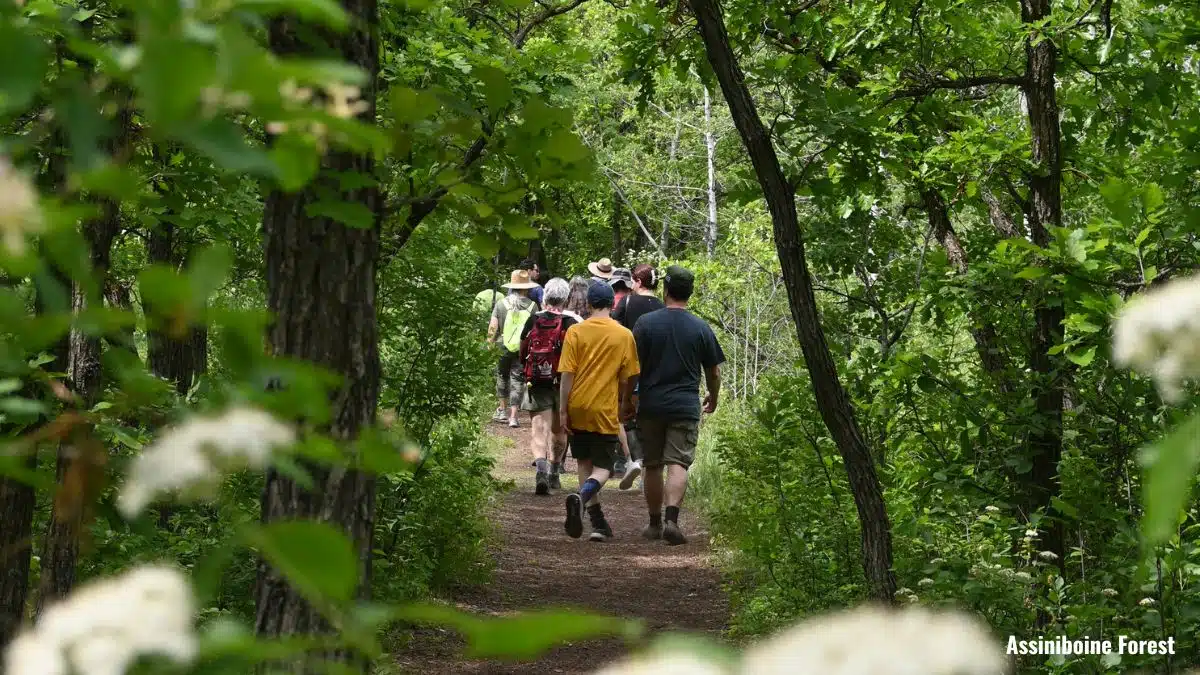
The forest is largely undeveloped, aside from 18 kilometres of multi-use trails designed to help visitors explore and appreciate its beauty.
What is a National Urban Park?
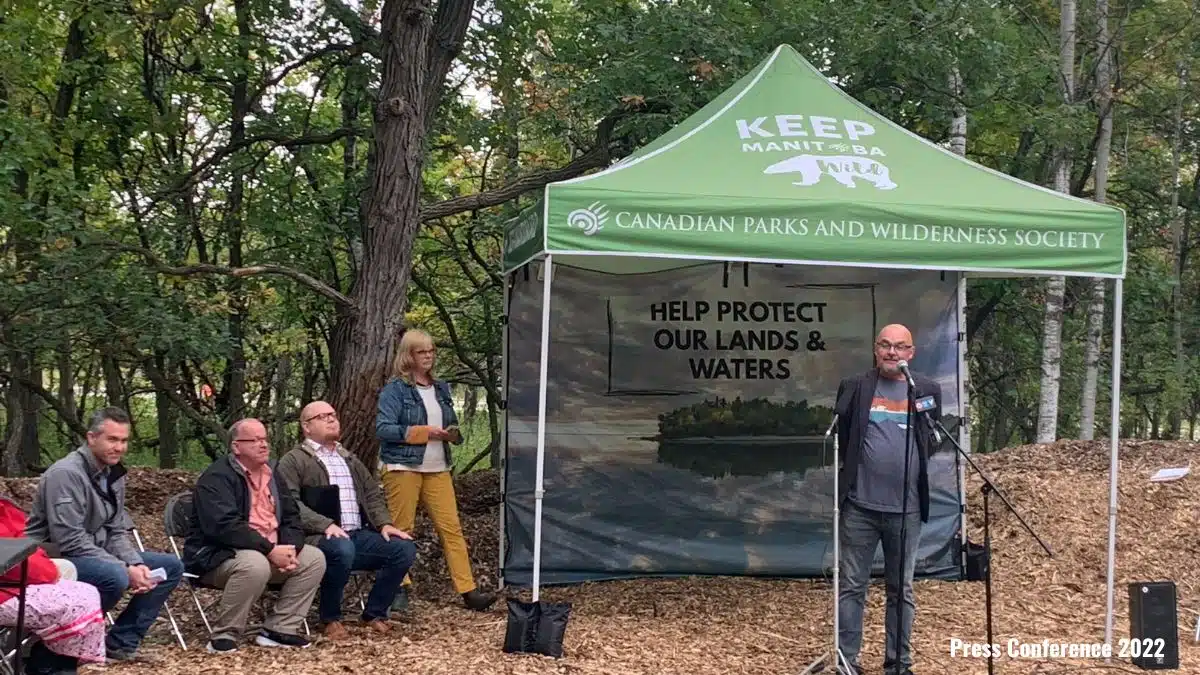
The federal government has an initiative to establish National Urban Parks across Canada. In August 2021, the City of Winnipeg entered into an agreement with the federal government to establish a National Urban Park, however, the location has not yet been announced.
Since then, a committee has been formed to explore the opportunity that includes Treaty One, the Manitoba Metis Federation, Parks Canada, the Government of Manitoba, and the City of Winnipeg. We urgently need to expand greenspace in Winnipeg in order to support the physical and mental health of residents and to mitigate the impact of climate change. Just 6 percent of Winnipeg is public parkland compared to a national average of 9 percent.
Assiniboine Forest at Risk
Some will say the forest is not a risk. That it would never be
developed. However, a simple 2/3 city council vote is all it would take
for the forest to be opened up to developers. We’ve seen similiar
beloved nature refuges reduced across the country.
Large sections of Ottawa’s Gatineau Park have been turned into housing developments, shopping centres and roads on multiple occasions over the years despite protests by local residents.
In 2005, then mayor Sam Katz proposed as many as 280 condo units be built in Assiniboine Park. Katz's proposal was unsuccessful but it shows that areas that are unprotected by legislation are open for development.
A National Urban Park could permanently protect the forest for future generations of people and wildlife.
A significant opportunity would be exploring whether adjacent natural lands to the south could be acquired to expand the new park, thereby adding much-needed green space to the city. The restoration of other adjacent, but developed, lands is worth exploring. Such as converting agricultural land back to natural prairie.
An exciting possibility would be to explore opportunities to expand the new park by connecting it to the Little Forks Proposal via the Transcanada trail.
Investment
A National Urban Park could bring significant federal investment to reduce the resources required from the city's budget to manage the forest, better manage the forest, improve accessibility, and advance reconciliation, create new jobs (including management and interpretive programs), and
expand Winnipeg's tourist attractions and gain promotional support from Parks Canada.
What Makes Assiniboine Forest Special
The forest is largely undeveloped, aside from 18 kilometres of multi-use trails designed to help residents explore and appreciate its beauty.
Some of those trails were originally roads which were cut in the forest in the early 1920s. Plans for development were shelved due to the Great Depression and the forest remained largely undisturbed for decades.
Local residents began working to protect the forest in the 1960s. They succeeded in 1973 when the City of Winnipeg designated Assiniboine Forest as a municipal nature park.
The Charleswood Rotary Club has helped steward the forest since 1991, raising over $600,000 to support project such as: cleaning up an old municipal waste disposal site, creating a new wetland area, developing a parking lot and front gate, building and maintaining an elevated boardwalk, installing interpretive and directional signage, and mitigating invasive thistle plants.
The club also worked with city officials to develop a comprehensive 355 page planning study to provide clear direction for future forest management.
Reconciliation
Indigenous peoples have stewarded this territory for thousands of generations. National Urban Parks must be designed, established, and managed in the spirit of reconciliation. At minimum, this entails Indigenous leadership and knowledge being actively and equitably involved in all stages of park development and administration.
The Forest’s proximity to the Naawi Oodena provides an excellent opportunity for its future residents to utilize the area for cultural and recreational purposes and to take part in its stewardship. One possibility is a co-management model that includes the leadership of Treaty One and the Manitoba Metis Federation.
Related Articles
Vote for Assiniboine Forest: Letter to the Editor
Letter to the Editor: Indigenous effort appreciated