Help Protect Hudson Bay Lowlands
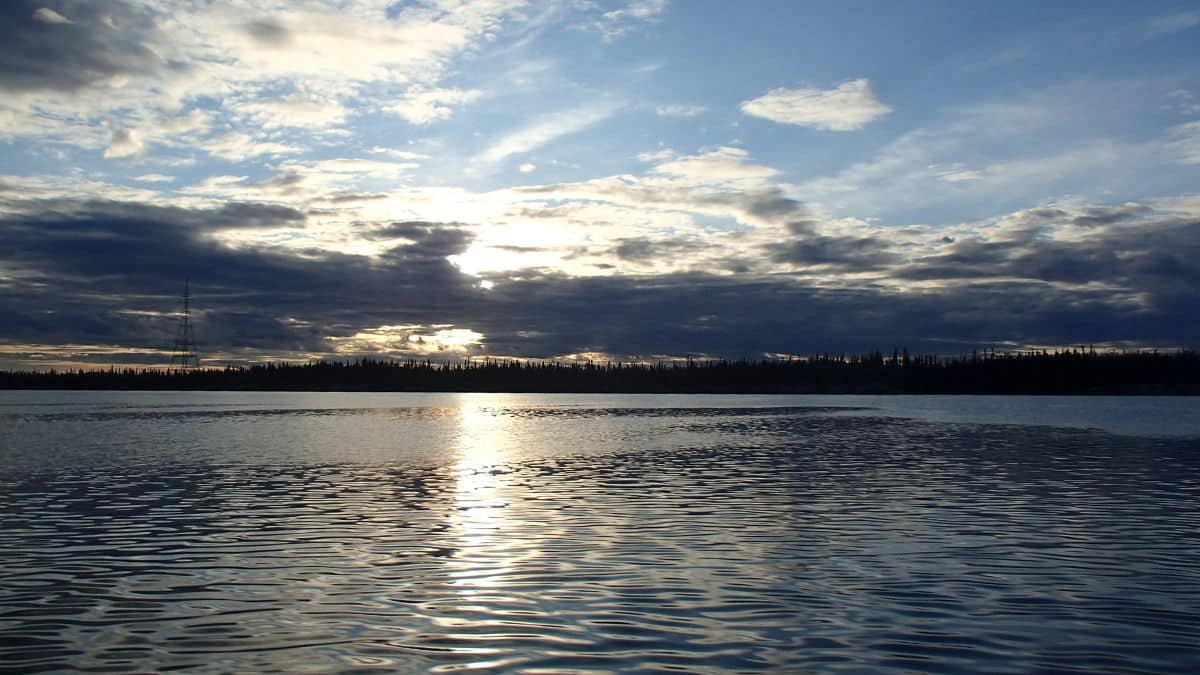
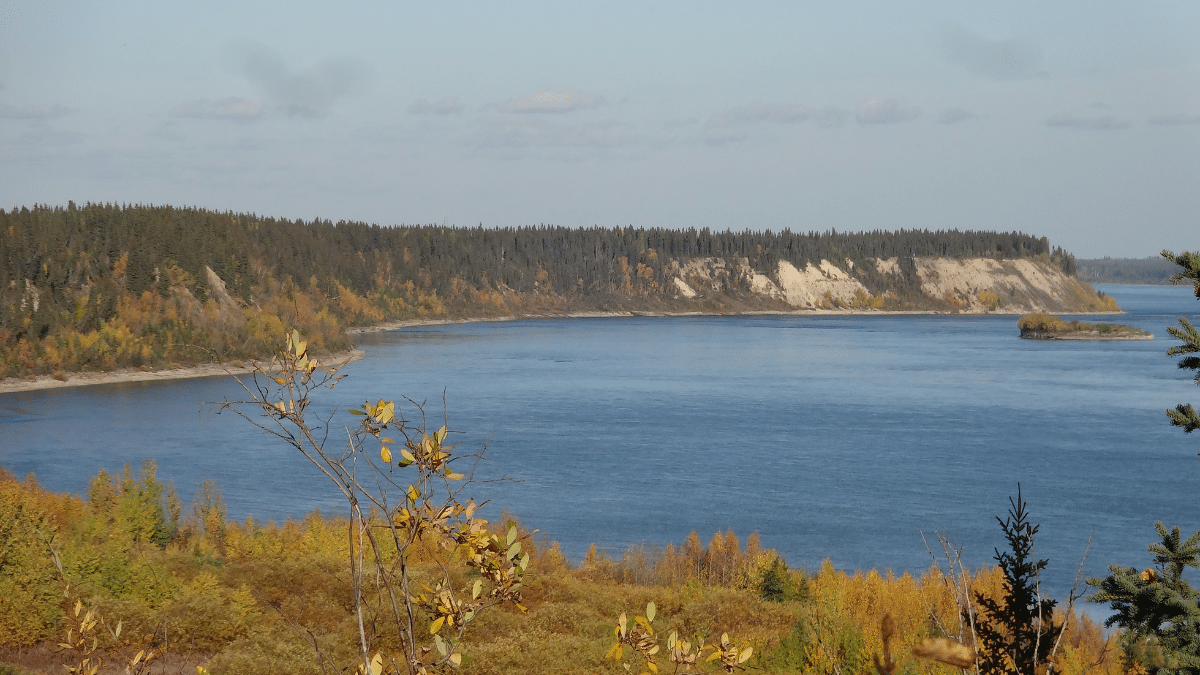
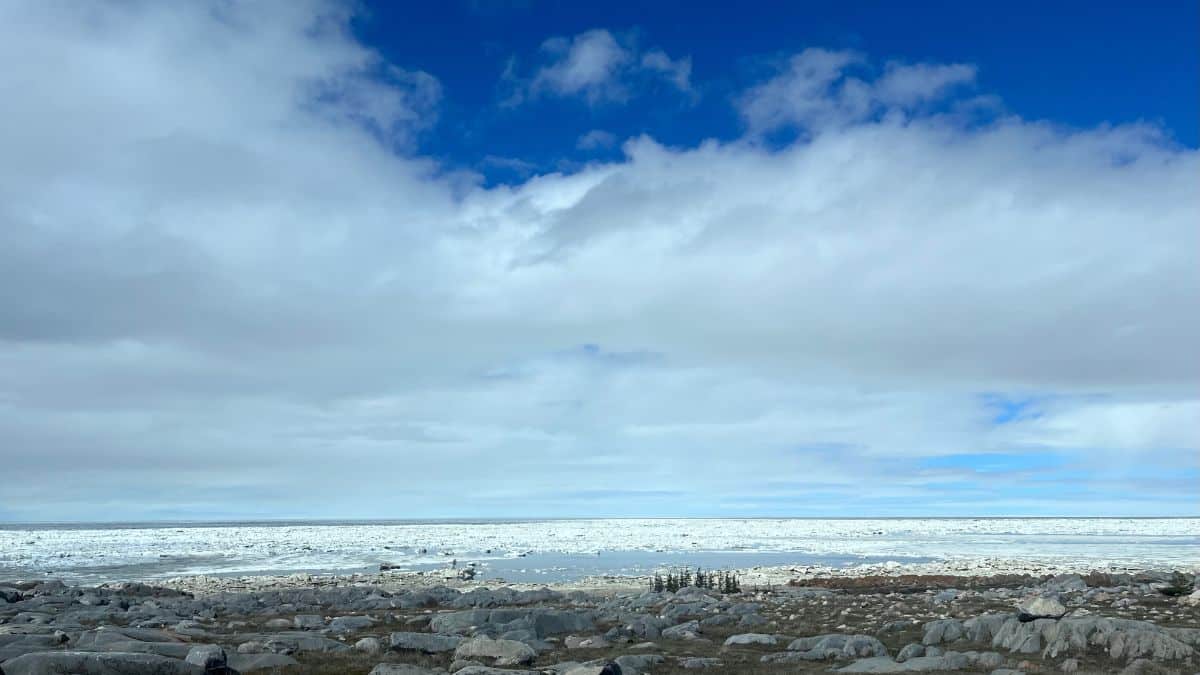
The Hudson Bay Lowlands are one of the world’s largest intact wetlands, a place where Cree, Inuit, and Dene Peoples have lived, travelled, and cared for the land since time immemorial. Spanning over 67,000 square kilometres in northern Manitoba, this region sustains vibrant cultures, traditional practices, and deep relationships with the land and waters.
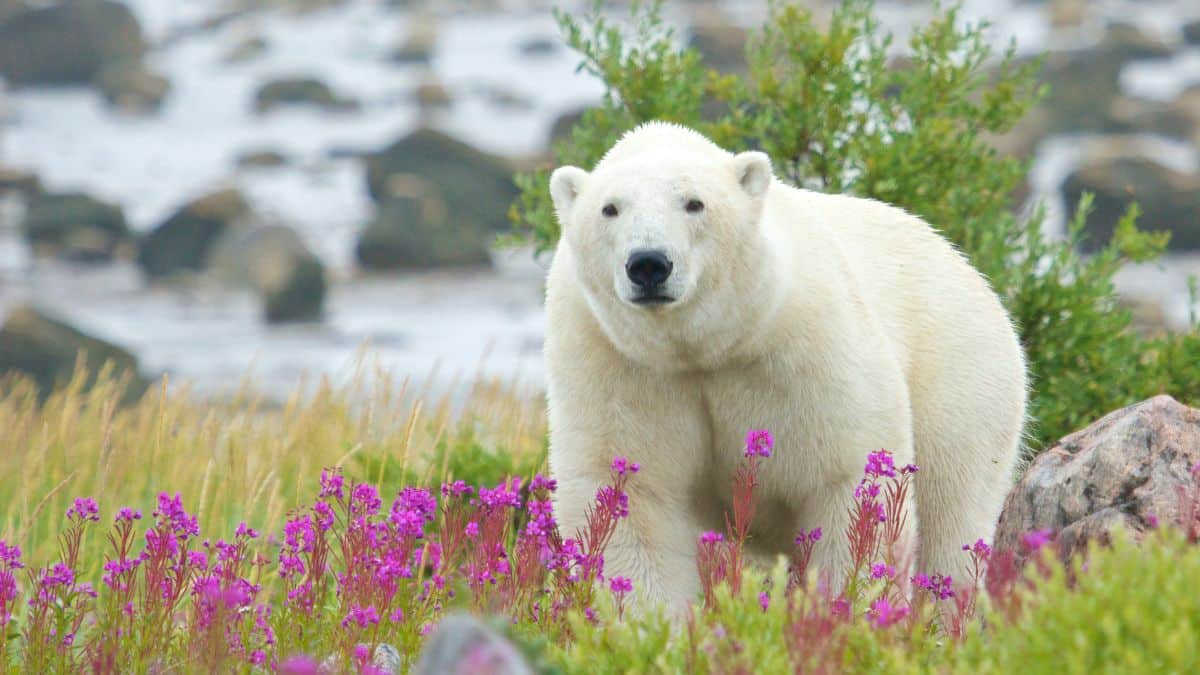
The original stewards of these lands have maintained deep connections to the Lowlands. Communities continue to live, hunt, fish, trap and gather here, ensuring its preservation through traditional practices and knowledge. The Lowlands are also home to extraordinary wildlife, including the polar bear, caribou and moose, and store immense amounts of carbon that help stabilize our climate.
Today, five Nayhenaway Ininisewinuk (Cree) Nations are leading the Kitaskeenan Kaweekanawaynitamuk Indigenous Protected Area project to safeguard these lands and waters for the future, honouring culture, protecting wildlife, and keeping traditions alive.
Learn more about how you can support their work to protect the Hudson Bay Lowlands and the wildlife and people that depend on it.

The Kitaskeenan Conservation Project
The Kitaskeenan Kaweekanawaynitamuk Indigenous Protected and Conserved Area project aims to protect a massive portion of the Hudson Bay Lowlands—one of the largest intact wetland and peatland ecosystems on Earth. This globally significant landscape plays a critical role in regulating the climate, purifying water, and supporting an incredible diversity of life, including polar bears, caribou, and millions of migratory birds. It is also a place of deep cultural and spiritual significance for the Indigenous Nations who have cared for it since time immemorial.
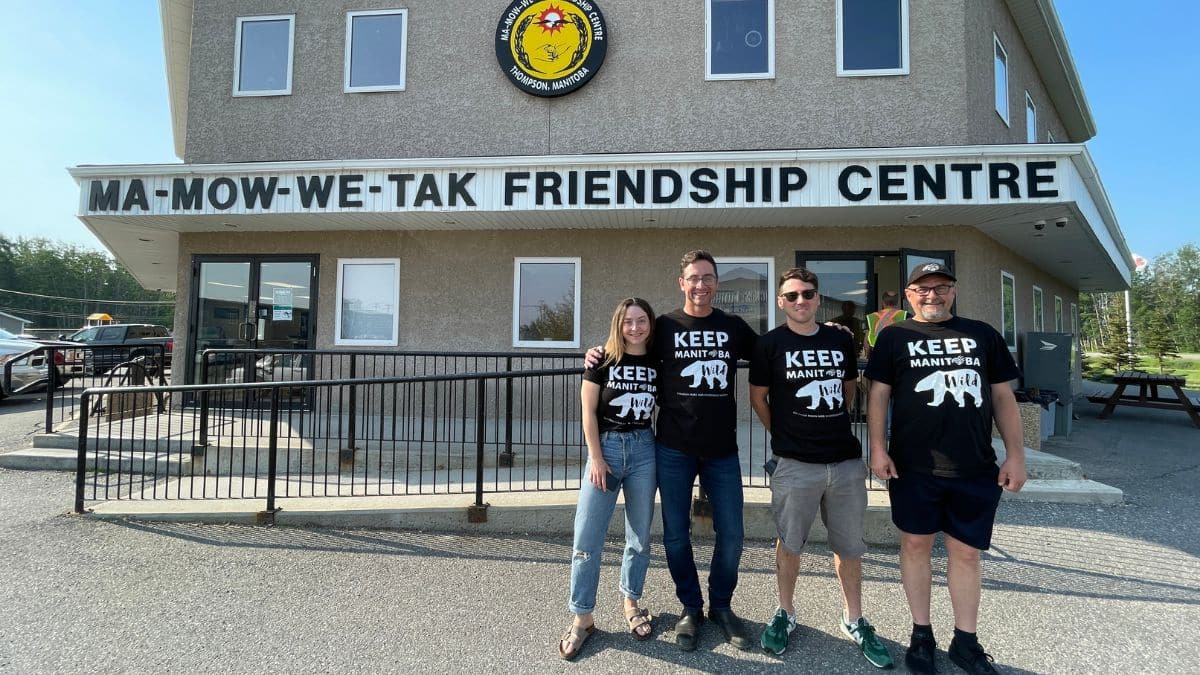
CPAWS is honoured to support this Indigenous-led initiative, which prioritizes the protection of these sacred lands while fostering cultural resilience and stewardship.
“Kitaskeenan Kaweekanawaynitamuk” translates to “our land we want to take care of,” and stewardship of this protected area will be led by York Factory First Nation, Tataskweyak Cree Nation, Fox Lake Cree Nation, Shamattawa First Nation, and War Lake First Nation. These Nations are working together to affirm their rights and responsibilities to the land through the establishment of an Indigenous-governed protected area by the end of 2027.
CPAWS fully endorses the project’s goals to protect their ancestral lands and ensure they remain healthy and intact for generations to come.
A Vibrant, Carbon-Rich Landscape
The Hudson Bay Lowlands is one of the world’s largest peatlands, having the majority of Manitoba’s 21 million hectares of peatland. That’s an area around the size of Pakistan or just larger than the entire country of France. Peatlands are a rare wetland ecosystem made of layers and layers of moss and other plants, providing the important service of absorbing water, heavy metals and carbon. Peat is so good at storing carbon, it’s one the most well known nature-based climate solutions, fighting climate change by keeping carbon out of the atmosphere.
The peatlands stretching across the lowlands contain approximately 7 billion tonnes of soil organic carbon, if ever released into the atmosphere, the emissions would be equivalent to almost 6 billion cars driving on the road for a single year. Keeping carbon in the soil is a great way to prevent further changes to our climate. Protecting the peatlands of Hudson Bay would be a significant piece of Manitoba’s contribution to addressing global climate change.
Wildlife
The tundra and subarctic forests surrounding Manitoba’s Hudson Bay coast yield incredible abundance that sustains both the people and wildlife that thrive there.
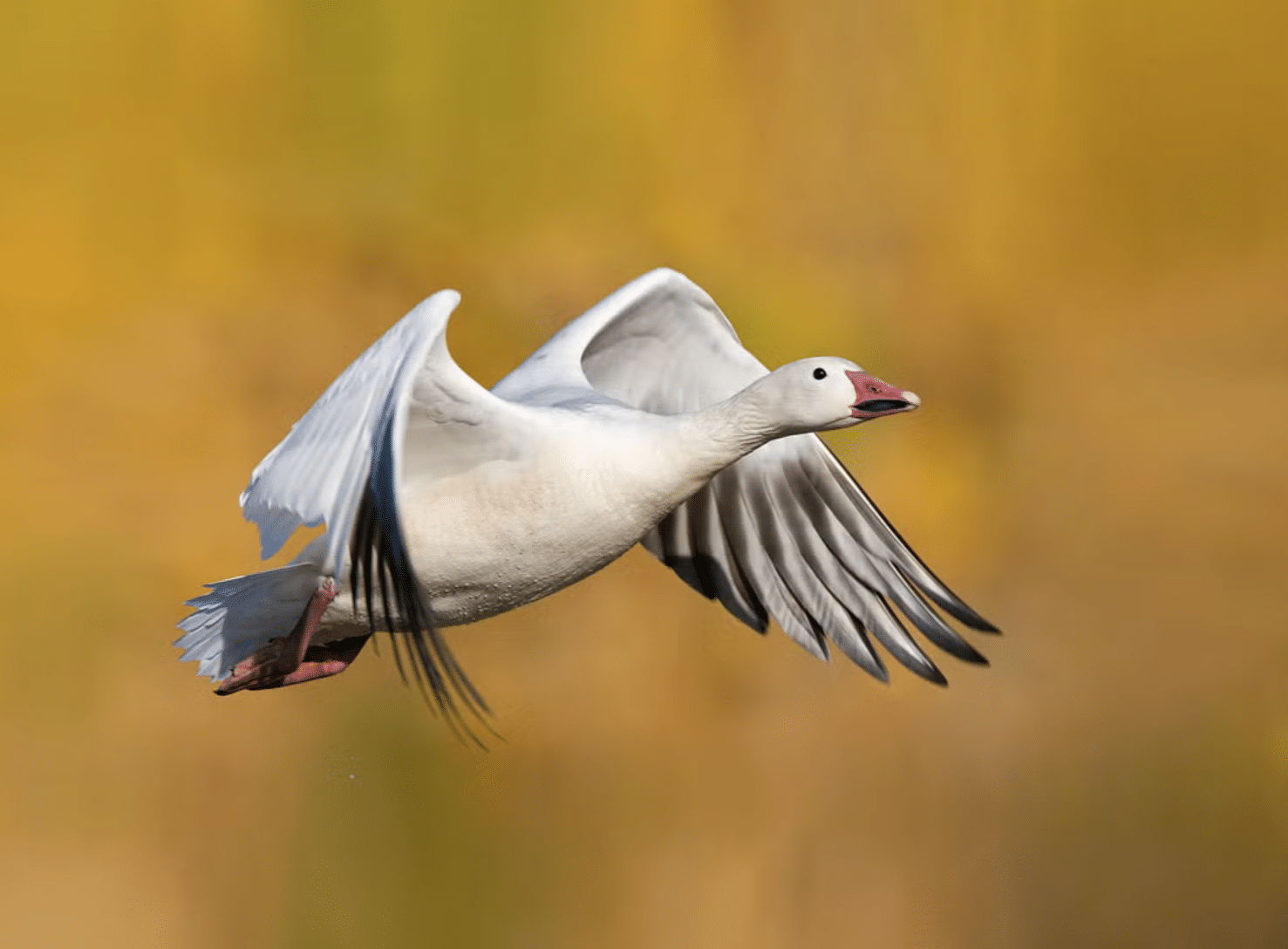
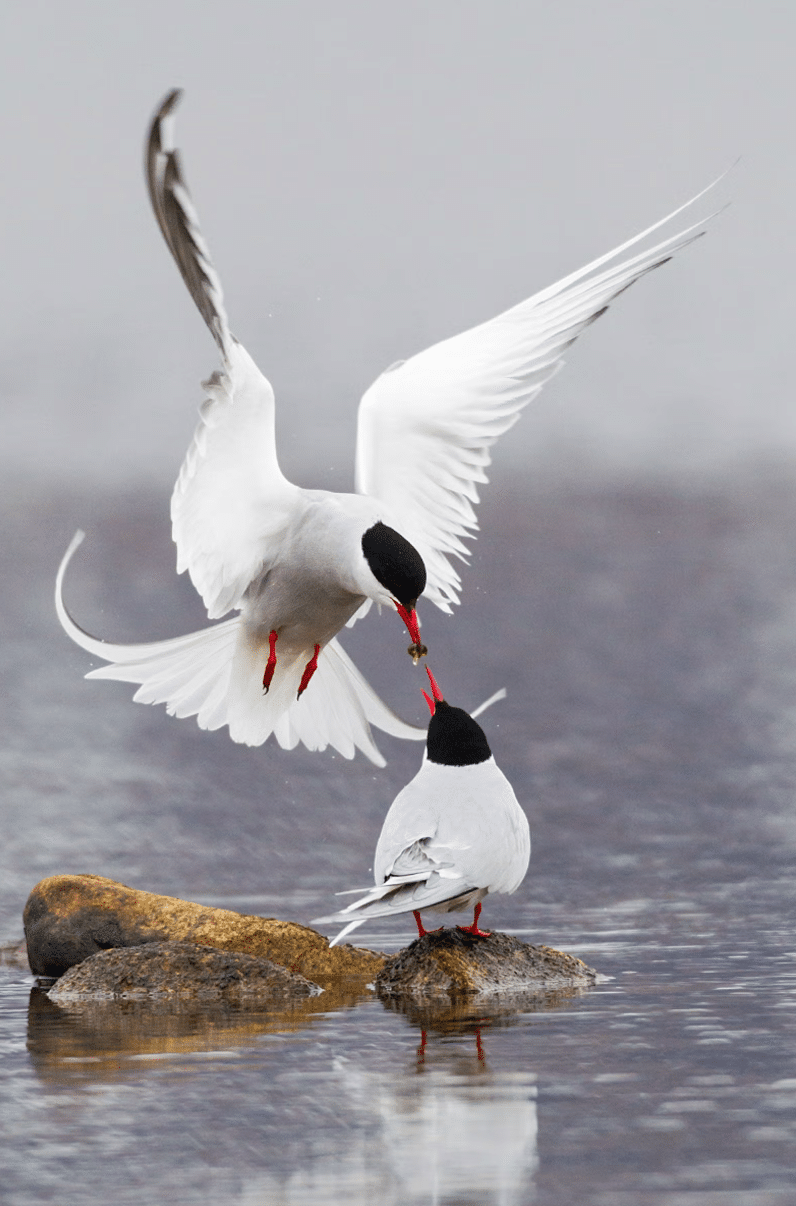
Hundreds of birds use the area as their yearlong homes, as a critical rest stop on their long migrations and as a safe place to raise their young. Wolves, foxes and wolverine hunt and scavenge on the heels of moose, hares and thunderous herds of caribou that in turn feed on the plants and lichen anchored in the deep, peat rich soils.
In spring, as the ice melts in Hudson Bay, hundreds of bears make their way to these lands to rest, raise their cubs and wait for the next hunting season.
Why are Polar Bears at Risk?
Manitoba’s bears, which live in the southern range of all polar bear habitat, are uniquely adapted to warmer weather; they dig their dens in the dirt instead of snow like other populations. Yet they are also at the greatest risk from climate change.
Pregnant bears in the Hudson Bay region already have to fast for up to eight months—twice as long as more northern bears—due to earlier ice breakup. Moms and their cubs have a long trek back to the sea ice where they can finally hunt for seals, as their inland denning sites can be as far as 150km from the coast.
With climate change warming the arctic, the ice breaks up earlier and earlier each spring, and takes longer to form in the fall. The average bear loses about one kilogram of weight per day as they wait for the ice to form. Protecting their inland habitat is critical to protect mothers and their cubs in this vulnerable season.
Learn More
Kitaskeenan
Learn about Kitaskeenan's vision to protect Northeastern Manitoba.
What are Protected Areas?
Learn more about the types of land protection in Manitoba.

Protecting Manitoba's Wild Spaces
Read our joint publication with Audubon.

Support for the Hudson Bay Lowlands
Check out the survey we did with Probe Research in 2022.
Related Articles
Reminiscing: Things We Learn When We Gather
Get the Lowdown on the Birds of the Lowlands