
April 10, 2026
Learn About the Breeding Birds of the Hudson Bay Lowlands
Every summer, millions of birds make an incredible journey to nest in one of the most important breeding grounds in North America: the Hudson Bay Lowlands. This vast wetland landscape is a haven for waterfowl, shorebirds, songbirds, and more. The mix of bogs, fens, forests, and tundra provides the perfect conditions for raising the next generation of feathered flyers. It’s remote, wild, and absolutely essential for birds across the continent.
Habitat
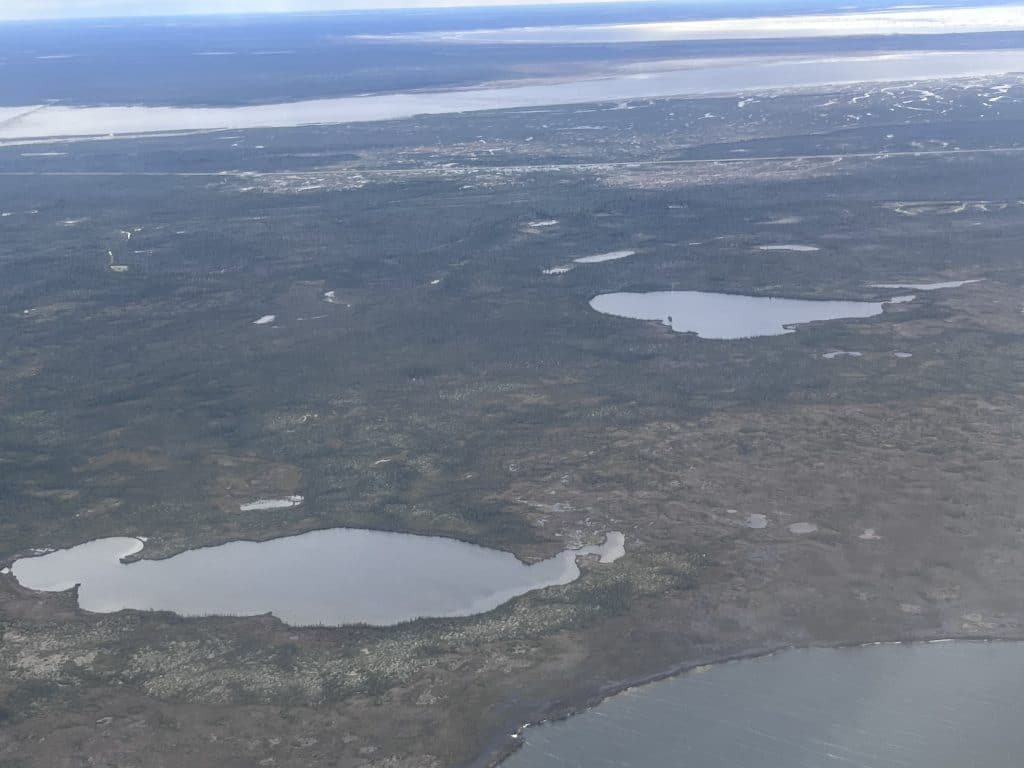
The Hudson Bay Lowlands is a vast 320,000 km² region along southern Hudson and James Bays, spanning northern Manitoba, Ontario, and Quebec. Over 80% is covered by wetlands. In northern Manitoba, it stretches across three biomes—Boreal Forest, Boreal-tundra, and Subarctic Tundra The Boreal Forest interior features spruce and tamarack, muskegs, lakes, and rivers. The coastal tundra is open, with mosses, sedges, lichens, shallow fens, and peat bogs Thick peat soils and underlying permafrost shape the lowlands’ unique hydrology and ecosystems, making the region globally significant for freshwater, carbon storage, and diverse birdlife.
The mosaic of wetlands, waterways, forests, and coastal tundra that weaves across Manitoba’s Hudson Bay Lowlands provides essential habitat for as many as 147 bird species over the course of the year. And at least 131 of those species are known to breed in the region. Each spring millions of migratory birds travel from across the hemisphere to have their babies and take advantage of the food and shelter the lowlands’ provide. Many of Canada’s most well-known birds can be found here.
Bird Species
These birds rely on the health of the region, taking advantage of the vast, untouched wetlands to provide lots of food, safe places to make nests and protection from many animals that might hurt them. The changing seasons in this region also match their travel patterns, allowing these bird species to thrive and reproduce successfully.
Here’s a look into a few of them:
Ducks and Geese
Canada Goose
- Scientific Name: Branta canadensis
- Population: 7 million
- Fun Fact: Canada geese mate for life
Mallard:
- Scientific Name: Hydrocoloeus minutus
- Population:
- Fun fact: Mallard flocks can fly about 80 km per hour
Gulls and Terns
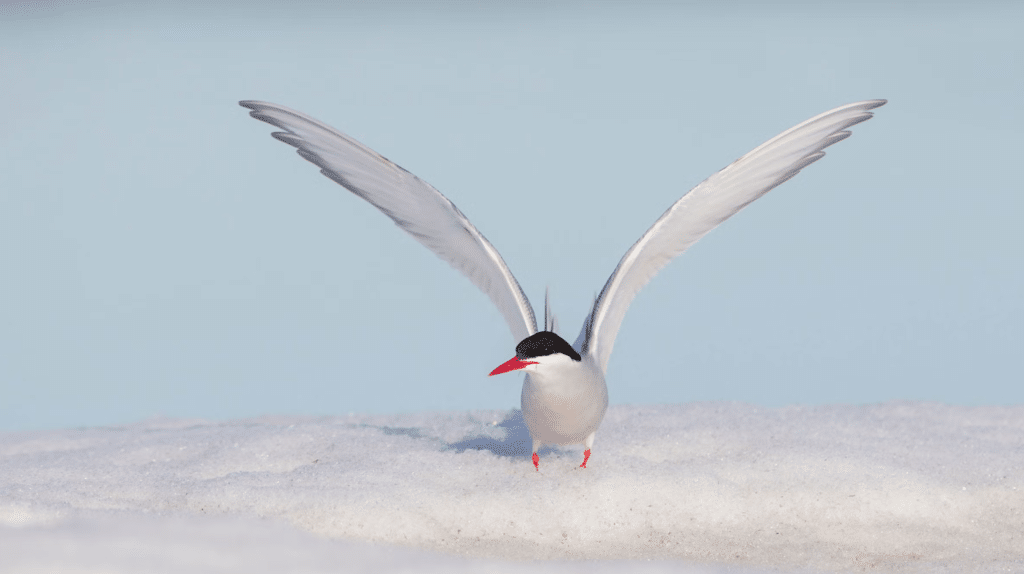
Arctic Tern
- Scientific Name: Sterna paradisaea
- Population: 3 million.
- Fun fact: Every year they migrate from the arctic to antarctica, covering 25,000 miles.
Little Gull
- Scientific Name: Hydrocoloeus minutus
- Population: 270,000
- Fun fact: They are the world’s smallest gull!
Hawks
Merlin
- Scientific Name: Falco columbarius
- Population: 3.2 million
- Fun Fact: Merlins don’t build their own nests, they use the old nests of other birds.
Osprey:
- Scientific Name: Pandion haliaetus
- Population: 1.2 million
- Fun Fact: Osprey have a special toe configuration that helps them grip prey.
Plovers
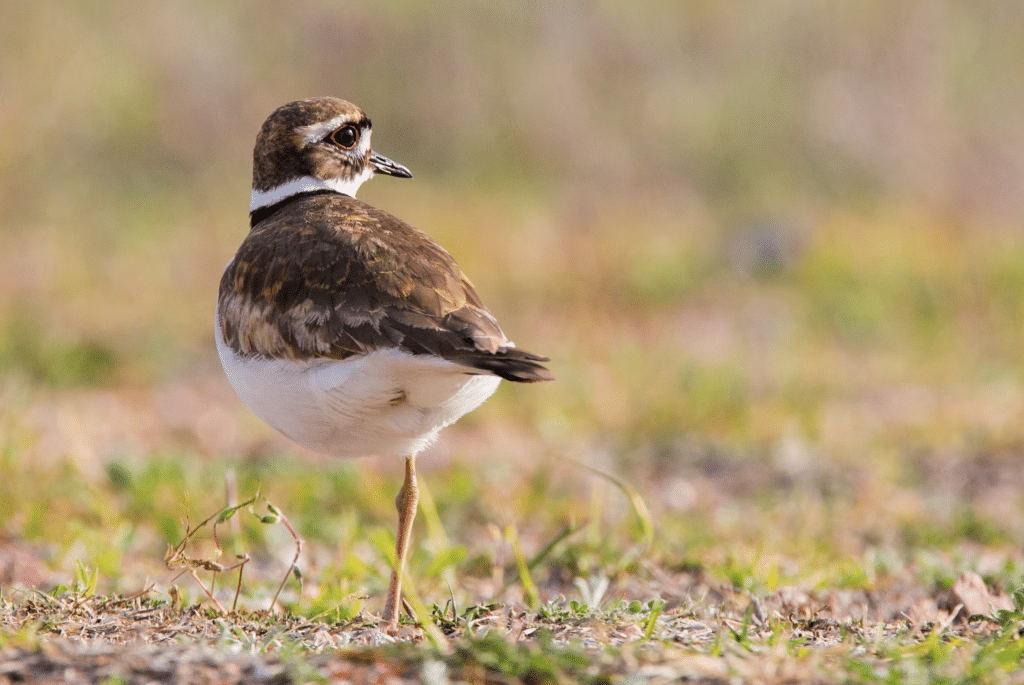
Killdeer
- Scientific Name: Charadrius vociferus
- Population: 2.3 million
- Fun Fact: While usually living in dry habitats, the killdeers are great swimmers, even as chicks.
Semipalmated Plover
- Scientific Name: Charadrius vociferus
- Population: 500 thousand to 1 million
- Fun Fact: Their breeding range is in the high arctic and coastal areas.
Conclusion
The Hudson Bay Lowlands is more than just wilderness. Each year, millions of birds depend on this mosaic of wetlands, forests, and tundra to breed and raise their young. From the tiniest gull to long-distance migrants like the Arctic Tern, the region supports a dazzling diversity of species. Protecting this fragile and irreplaceable ecosystem is essential. As we learn more about these feathered travellers and the land they rely on, one thing becomes clear: the Birds of the Bay deserve our attention, admiration, and care.
You can take action and help protect The Hudson Bay Lowlands. Make your voice heard, and send a message to the Premier of Manitoba now.
This blog was originally written in 2025, and is still relevant to our efforts to protect The Hudson Bay Lowlands. The Lowlands are one of the world’s largest intact wetlands, a place where Cree, Inuit, and Dene Peoples have lived, travelled, and cared for the land since time immemorial. The Lowlands are also home to extraordinary wildlife, and communities continue to live, hunt, fish, trap and gather here, ensuring its preservation through traditional practices and knowledge.
This blog was made possible through the generous support of the National Audubon Society. We’re grateful for their partnership, collaboration, and shared commitment to protecting the lands, waters, and wildlife we all cherish.
Learn More:
Learn more about the Hudson Bay Lowlands on our campaign page.
Read more in Birds of Manitoba: Hudson Bay Lowlands
Learn more about your favourite birds on Audubon
Read about the incredible natural economic powerhouse of the lowlands