Help Protect Manitoba's Lands and Waters
We need to protect our lands and waters today to make sure nature and people can thrive in the future.
Nature is under growing pressure from development, pollution, and habitat loss. Clean water, healthy forests, and thriving wildlife are essential to our way of life — now and for future generations.
We have a responsibility to protect the places that sustain us. If we act now, we can safeguard the wild spaces and species our communities rely on.
Nearly 30 thousand Manitobans have already signed a postcard supporting the goal of protecting 30% of Manitoba’s lands and waters by 2030 — a clear sign that people care deeply about nature.
But meaningful conservation takes leadership, hard work, and real commitment to keep Manitoba’s natural heritage intact for today and tomorrow.
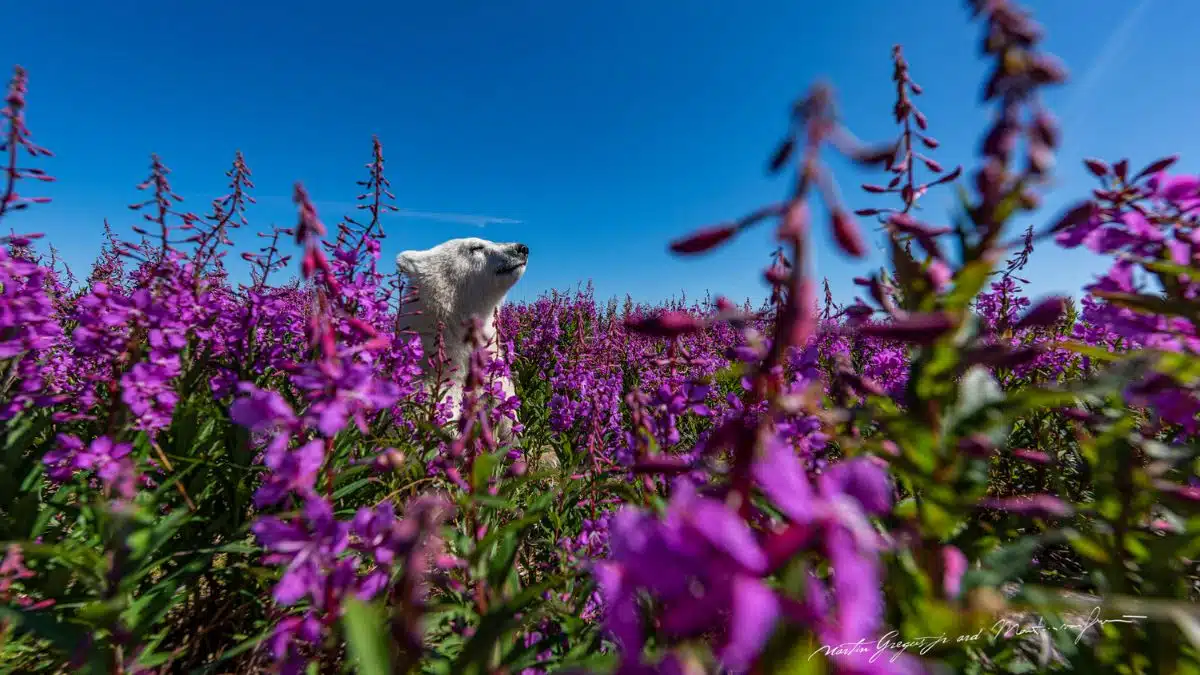

Nature Protects Our Health and Our Economy
Nature provides every Manitoban with priceless services that are crucial to our health and underpin the stability of our economy.
Forests and wetlands clean the air we breathe and filter the water we drink. This natural infrastructure also protects our farms, homes and businesses from flooding. And it helps protect us from the impacts of climate change by absorbing greenhouse gases from the air.
Plummeting animal and plant populations – from bees to birch trees – cost the world $4 trillion to 20 trillion per year in lost natural services like crop pollination, water purification, flood protection, and carbon sequestration between 1997 and 2011, a report from the Organisation for Economic Co-operation and Development (OECD) found.
Conservation doesn’t just protect our food and water supplies. It also drives economic growth.
Protecting 30 per cent of the world’s lands and waters would “support around 30 million jobs and $500 billion of GDP in ecotourism and sustainable fishing,” with benefits outweighing the costs by a 5:1 ratio, a report from McKinsey & Company found.
The science is clear. It transcends partisanship. We must come together on 30 percent protection by 2030.
That is why we asked all of Manitoba’s political parties to put nature in their platforms for the 2023 provincial election.
Scientists have issued repeated warnings that nature is in a state of crisis, threatened by habitat loss, pollution, unchecked development, and climate change. The solution to this crisis is neither some other government’s problem, nor some other electorate’s issue.
All Manitobans must demand that the provincial government deliver on an action plan to protect 30 percent of our lands and waters by 2030.
The previous administration earned a poor grade when it comes to conservation.
Manitoba established a mere 404 square kilometres of new protected areas from 2015 to 2022. The difference amounts to a rounding error: total protected areas in Manitoba increased from 10.9 per cent in 2015 to 11.0 per cent today.
The future is bright for nature in Manitoba after a new government was elected on October 3, 2023 with strong commitments to conservation.
That’s thanks in part to the thousands of Manitobans who joined CPAWS Manitoba’s campaign by writing letters and signing postcards urging the leaders of all political parties to protect 30% of Manitoba by 2030.
CPAWS Manitoba will be working hard to ensure that the new government take swift and decisive action on its promise to protect 30% of our province’s lands and waters by 2030.
Deliver a Plan to Protect 30% of Manitoba by 2030
CPAWS Manitoba is calling on the government to develop an action plan that will help it achieve its ambitious commitment protect 30% of Manitoba’s lands and waters by 2030.
This action plan must include the following commitments:
- Protect 30% of Manitoba’s lands and inland waters by 2030 for future generations.
- Protect Manitoba’s polar bears, caribou, birds, bees and other endangered wildlife.
- Preserve peatlands, wetlands and forests which clean the air we breathe, filter the water we drink, control flooding and fight climate change by storing carbon.
- Support Indigenous-led conservation initiatives in the spirit of reconciliation.
- Complete the protection process for Manitoba’s Areas of Special Interest that were designated as candidates for protection years ago.
- 91% of Manitobans want to expand protected areas to at least 30% of the land in Canada (according to an October 2022 poll by Nanos)
- 85% of Manitobans believe protected areas support human well-being
- 82% of Manitobans believe protected areas play an important role in addressing climate change
- 78% of Manitobans believe protected areas support a healthy sustainable economy
Existing Pathways to Protection
Much of the work has already been done to identify which areas to protect in Manitoba.
The following opportunities represent 36.5% of the province. With strong provincial leadership and support, enough of these opportunities can be realised in time to achieve the target of at least 30% of Manitoba’s natural lands and waters protected by 2030.
11.1% of Manitoba is Already Protected
 Manitoba has protected 71,561 sq. km. That's 11% of our province. We’re ranked 7th out of 13 provinces & territories for the percentage of lands and waters protected.
Areas of Special Interest (Candidate Protected Areas): 11.3% of Manitoba
 The Manitoba government identified Areas of Special Interest (candidate protected areas) more than 20 years ago. The areas selected represent the enduring features found within ecoregions that still need to be captured in Manitoba's protected areas network. There are 120 candidate protected areas remaining which total 73,746 sq. km.
Seal River Watershed Indigenous Protected Areas Initiative: 6.6% of Manitoba
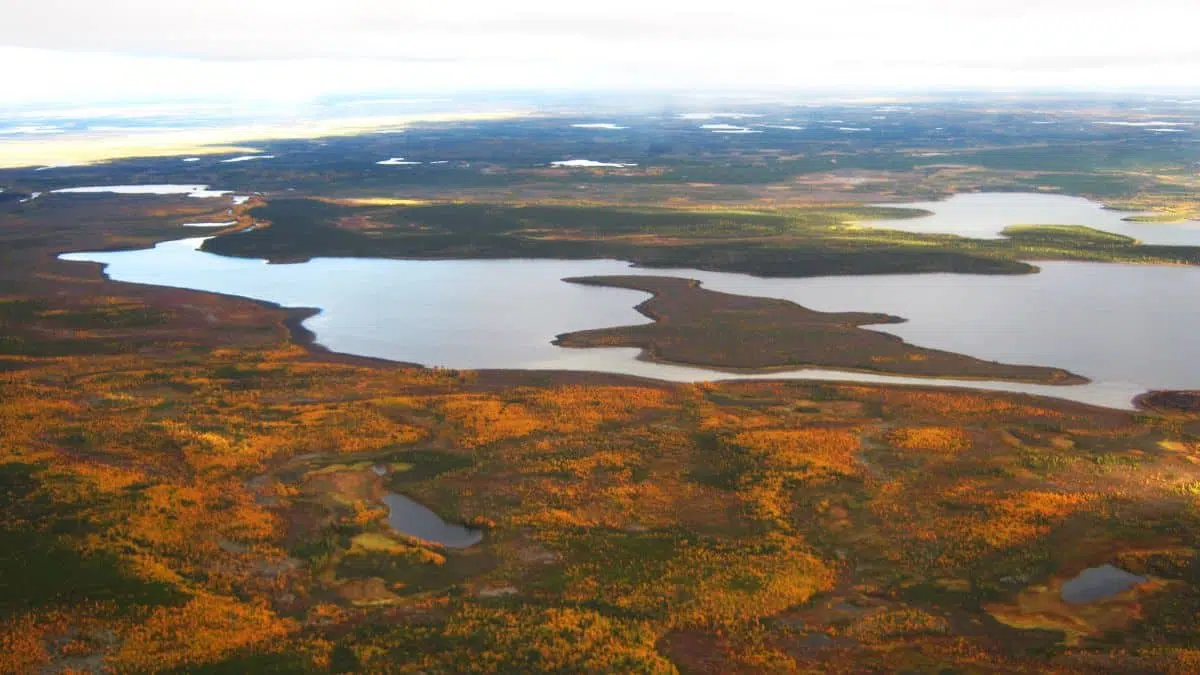
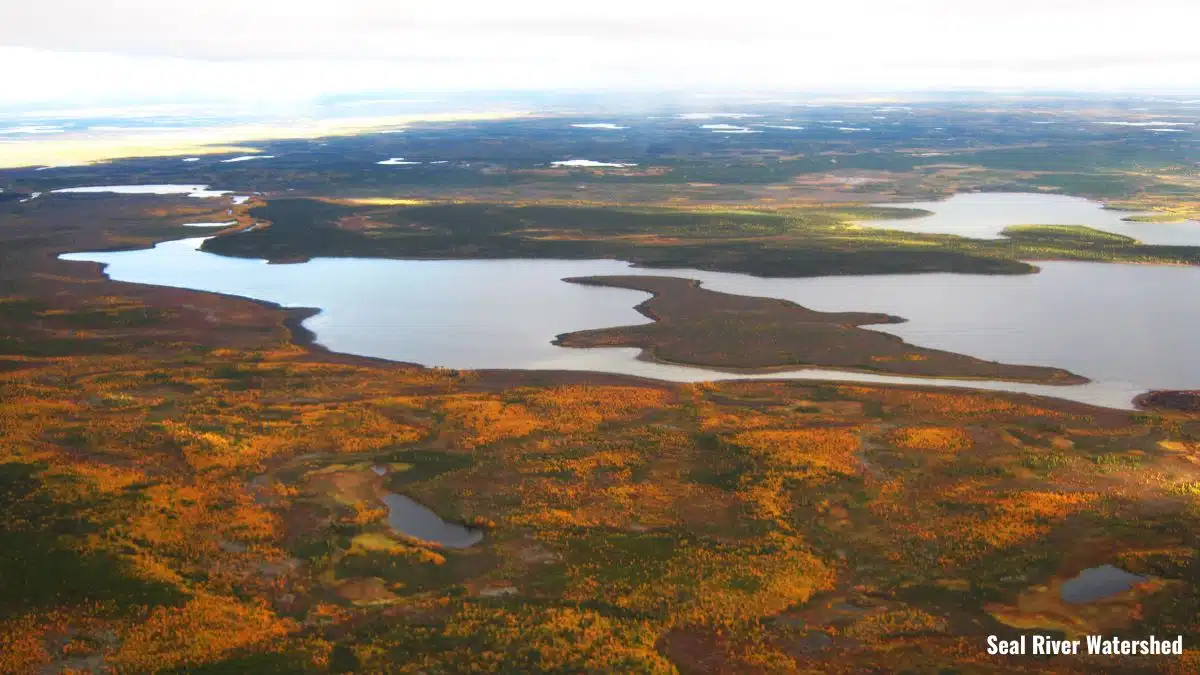
 The Seal River is one of the largest ecologically intact watersheds in the world. It is teeming with 3,000 beluga whales, 400,000 barren ground caribou and massive flocks of birds. CPAWS is working with the Seal River Watershed Alliance of Dene and Cree peoples to protect the entire watershed: a whopping 50,000 sq. km.
Other Indigenous-led Conservation Initiatives: ~7.5% of Manitoba
 There are seven other Indigenous-led conservation initiatives underway in Manitoba with combined study areas spanning tens of thousands of square kilometres. Delineating the boundaries for these areas is presently underway. These opportunities could collectively protect approximately 7.5% of Manitoba.
Related Articles
How Climate Change Affects Manitoba’s Biodiversity
The Climate Report Card is Here!