


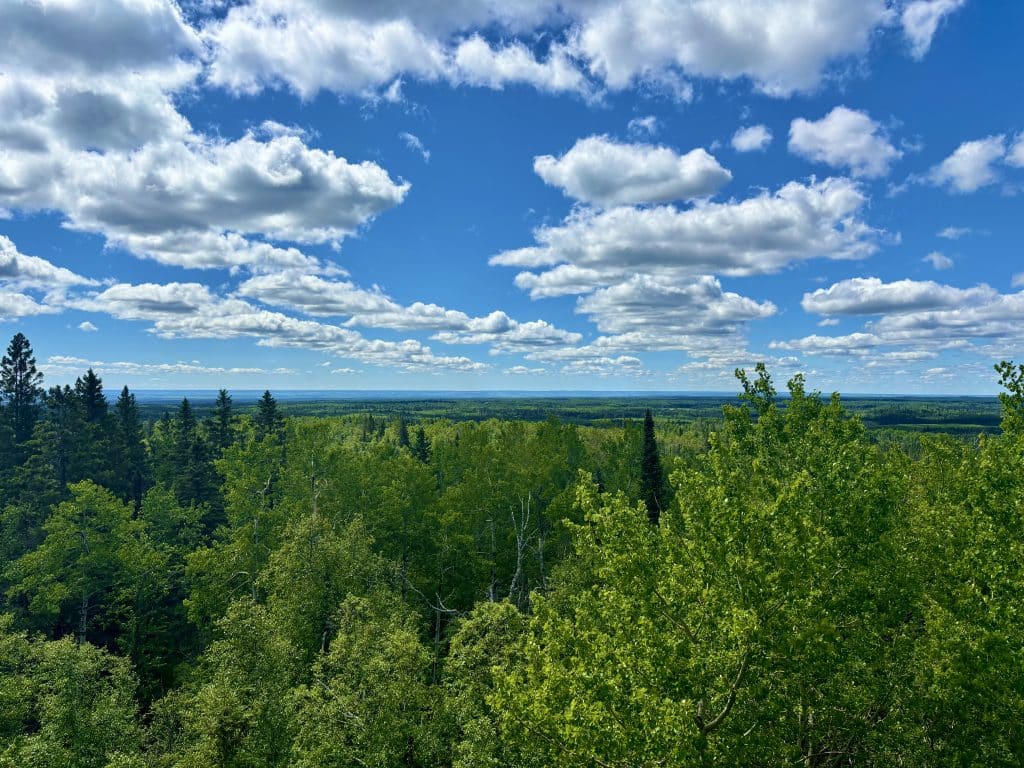
As we look ahead to 2026, one thing is clear: Manitobans care deeply about nature. Our landscapes, waters, wildlife, and cultures are central to who we are — and to the kind of future we want to build.
At CPAWS Manitoba, 2026 is about moving from ideas to impact. Here’s what’s in and what’s out — as we work to protect Manitoba’s lands and waters for generations to come.
What’s In for 2026
1. Protecting Western Hudson Bay — nature and culture
In: Advancing a National Marine Conservation Area (NMCA) in Western Hudson Bay to safeguard beluga whales, polar bears, seabirds, and the vibrant Indigenous cultures and tourism economy that depend on a healthy marine ecosystem.
2. Responsible Development that Plans Ahead
In: Thoughtful planning that ensures major project proposals fully consider environmental, cultural, and economic impacts before decisions are made — not after.
3. An Action Plan for Nature in Manitoba
In: A clear, province-wide plan for nature that includes real resources, stable funding, and the staff capacity needed to turn commitments into action on the ground.
4. Indigenous-led Conservation
In: Supporting Indigenous Nations who are leading the protection of lands and waters through Indigenous Protected and Conserved Areas (IPCAs), grounded in collaboration, Indigenous governance, and knowledge.
5. Protecting what makes Manitoba, Manitoba
In: Conserving intact boreal forests, wetlands, peatlands, and waters that store carbon, support wildlife, and help keep our communities resilient in a changing climate.
6. Nature as part of a strong economy
In: Recognizing that conservation supports jobs — from tourism and recreation to sustainable local economies — and that healthy ecosystems are an economic asset, not a barrier to opportunity.
7. Truth-based conversations
In: Honest, transparent discussions about conservation that are rooted in science, local knowledge, lived experience, and shared values.
8. Collaboration over conflict
In: Working together — Indigenous Nations, communities, governments, conservation groups, and industries — to find solutions that respect people and place.
What’s Out for 2026
1. Moving ahead without safeguards
Out: Advancing port expansions or large-scale development without fully protecting the environment and the long-term security of tourism, wildlife, and local livelihoods.
2. Promises without follow-through
Out: Strong speeches and polished talking points that aren’t matched with timelines, funding, or action.
3. Treating nature as an afterthought
Out: Planning that considers nature conservation only after decisions are already locked in.
4. Misinformation and fear-based narratives
Out: Spreading confusion or fear about land access and conservation to serve narrow interests, rather than focusing on facts, collaboration, and shared benefits.
5. Pitting people against nature
Out: Framing conservation as something that threatens rural communities, hunters, fishers, or workers — when protecting nature supports all of us.
6. Misrepresenting Indigenous leadership
Out: Suggesting that Indigenous Nations having a real voice in decisions about their ancestral lands somehow excludes others. Inclusive decision-making makes outcomes stronger, not weaker.
7. Racism — subtle or overt
Out: Dismissing Indigenous rights, knowledge, or leadership in conservation. Respect and partnership with Indigenous Nations is essential to reconciliation and conservation.
8. Short-term thinking
Out: Decisions that prioritize immediate gains over the long-term health of ecosystems, communities, and future generations.
Looking Ahead
Conserving and restoring nature is vital to help combat climate change; protect biodiversity and species at risk; and maintain a strong, sustainable economy. But reaching that future means closing the gap between intention and implementation.
In 2026, CPAWS Manitoba will continue pushing for solutions that are grounded in science, respect Indigenous leadership and knowledge, and reflect what Manitobans value most — a healthy environment, thriving communities, and a future we can be proud to pass on.
Because protecting nature isn’t about stopping progress. It’s about choosing the right kind of progress.
Cover Image: Shayna Norris