


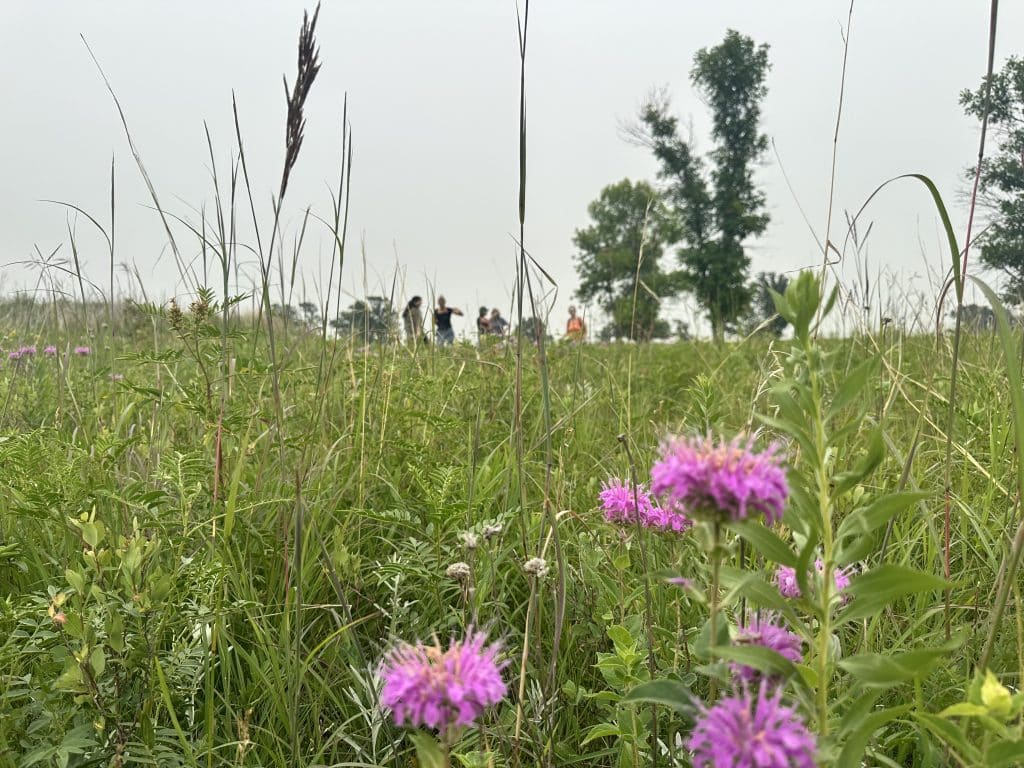
A look into Manitoba’s Tall Grass Prairie
by Katie, Digital Marketing Coordinator
Some say, “the grass is greener on the other side,” while others say, “the grass is greener where you water it.” Well at CPAWS we know a place where the grass is not only green, but red and yellow and green and brown and scarlet and black and ochre and… you get it. Introducing the tall grass prairie, one of Manitoba’s endangered ecosystems.
What is a Tall Grass Prairie?
The tall grass prairie ecosystem gets its name from the 40-60 species of grass that dominate the region, such as big bluestem and switch grass. These grasses cover 80% of the region, while the remaining area is home to around 300 species of flowers.
Before European settlement, the prairie stretched from Winnipeg to Texas and covered more than one million square kilometres as North America’s largest connected ecosystem.
Indigenous People used the native plants in the tall grass prairie for thousands of years for precious medicinal uses and food. The ecosystem was also home to large herds of bison, elk, and antelope which grazed the prairie to help maintain the land.
Beginning in the 19th century, European Settlers cleared away the tall grass for agricultural use, as the soil was very fertile. Today, only one percent of the original tall grass prairie remains with 28 at-risk animals calling the region home.
Where to See it
In Manitoba, there are three public places to visit the tall grass prairie ecosystem: the Living Prairie Museum, along the Headingley Grand Trunk Trail, and The Weston Family Tallgrass Prairie Interpretive Centre.
Living Prairie Museum
The Living Prairie Museum is a City of Winnipeg Nature Park with 13 hectares. The area was set aside in 1968 to preserve the tall grass prairie and is home to more than 150 different grass and wildflower species and an array of prairie wildlife.
The Museum’s interpretive centre houses a gallery of exhibits, walking trails, and an observation deck for a great view of the beautiful land.
Trails are available for exploration year round, with booklets for self-guided tours available.
Check out their events and activity calendar to see how you can get involved.

Weston Family Tallgrass Prairie Interpretive Centre
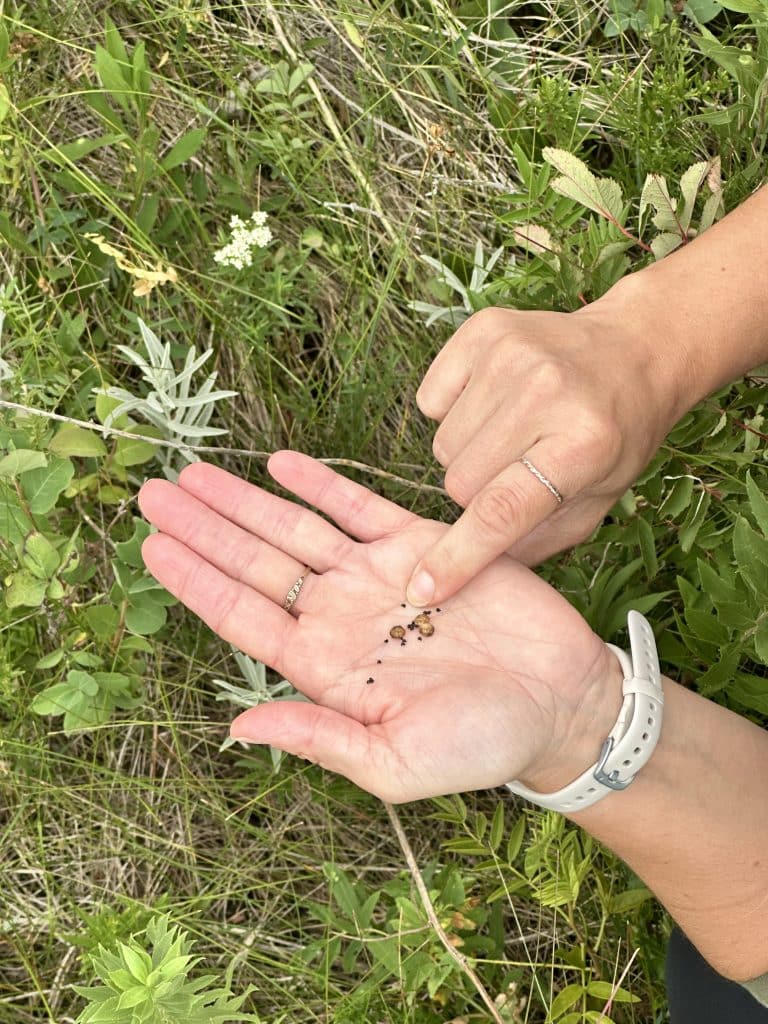
Nested in the Tall Grass Natural Area, The Weston Family Tallgrass Prairie Interpretive Centre is 65 hectares just 80 kilometres southeast of Winnipeg.
Explore the unique region by taking a hike on the Prairie Orchid Trail, where you have the chance to encounter over 1,000 species of birds, mammals, insects, grasses and wildflowers while receiving a glimpse of the rare ecosystem.
Headingley
Along the Headingley Grand Trunk Trail there is 16 hectares of Remnant Tall Grass Prairie which has never been farmed or developed. In 2016, the Headingley Grand Trunk Trail Association found this area which was subsequently recognized by Manitoba Conservation.
The trail is an abandoned rail line and is 10 kilometres long. The tall grass prairie section of the trail is about two thirds down the trail, but is also accessible directly by driving to the end of Alboro St in Headingley.

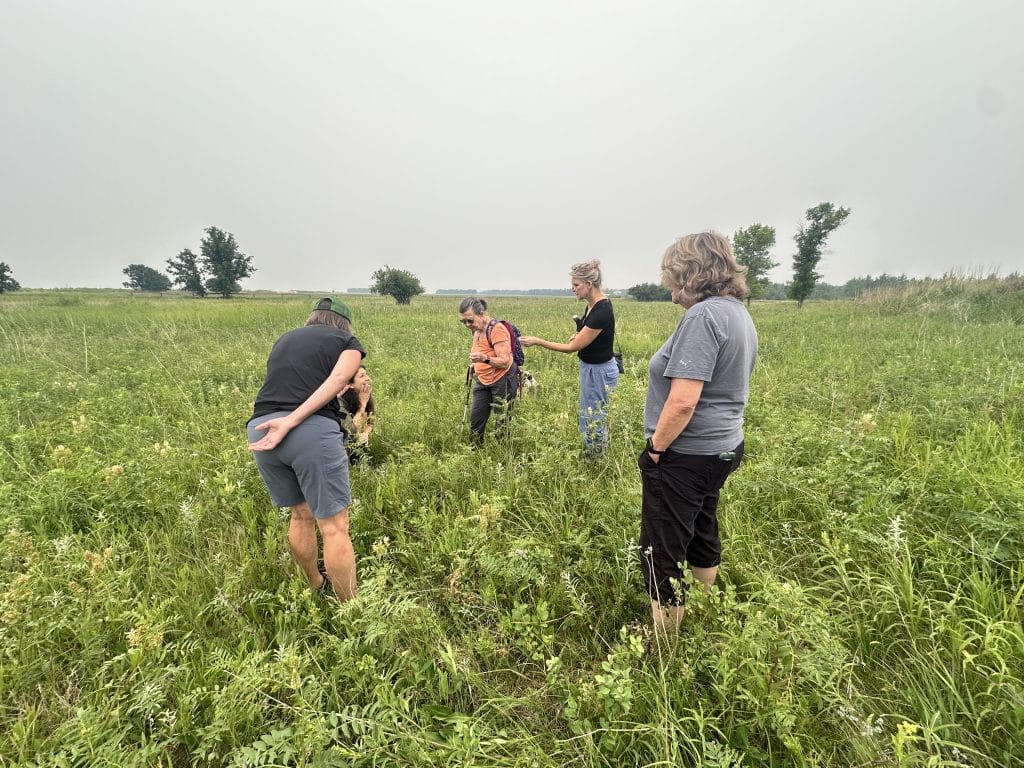
Know the Local Grasses
Get to know some of the amazing and resilient plants that can be found in the tall grass prairie. These plants of the tall grass prairie ecosystem have evolved to thrive in very harsh environments by having 75%-80% of the plant material is actually underground. This protects them from bison grazing and trampling, fire, and cold Manitoba winters.
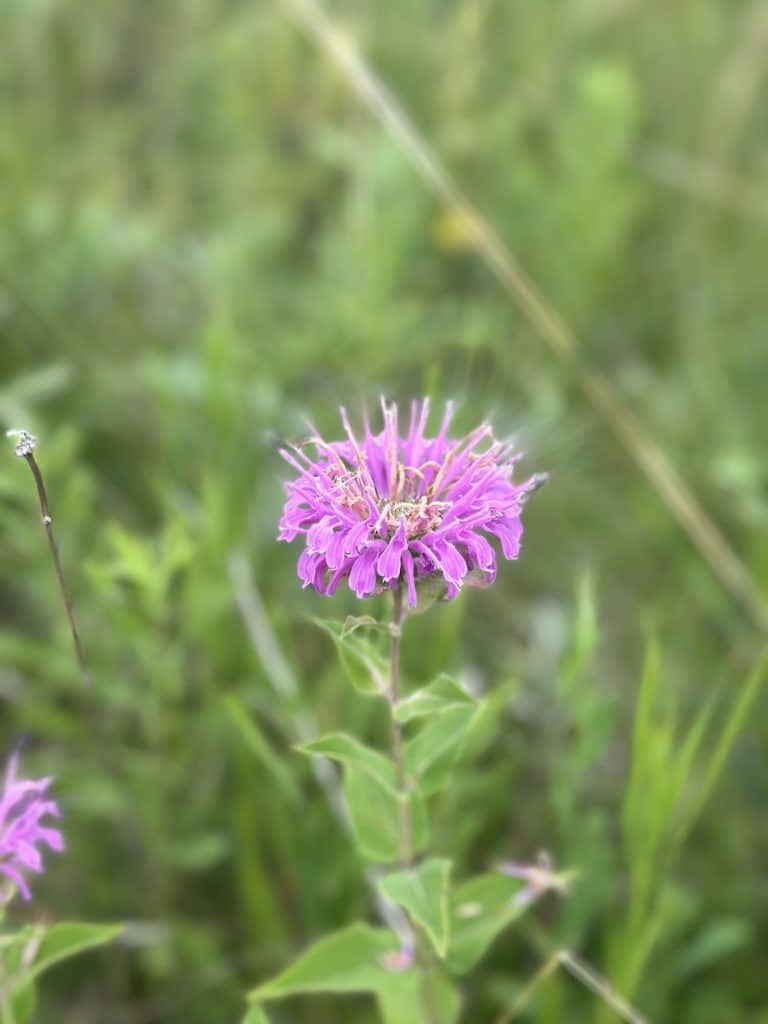
Bergomot:
Scientific name: Monarda Fistulosa
Color: Pink/Purple
Size: 2-3 feet tall
Fun Fact: Another type of Bergomot, Citrus bergamia, is used to make earl gray tea!
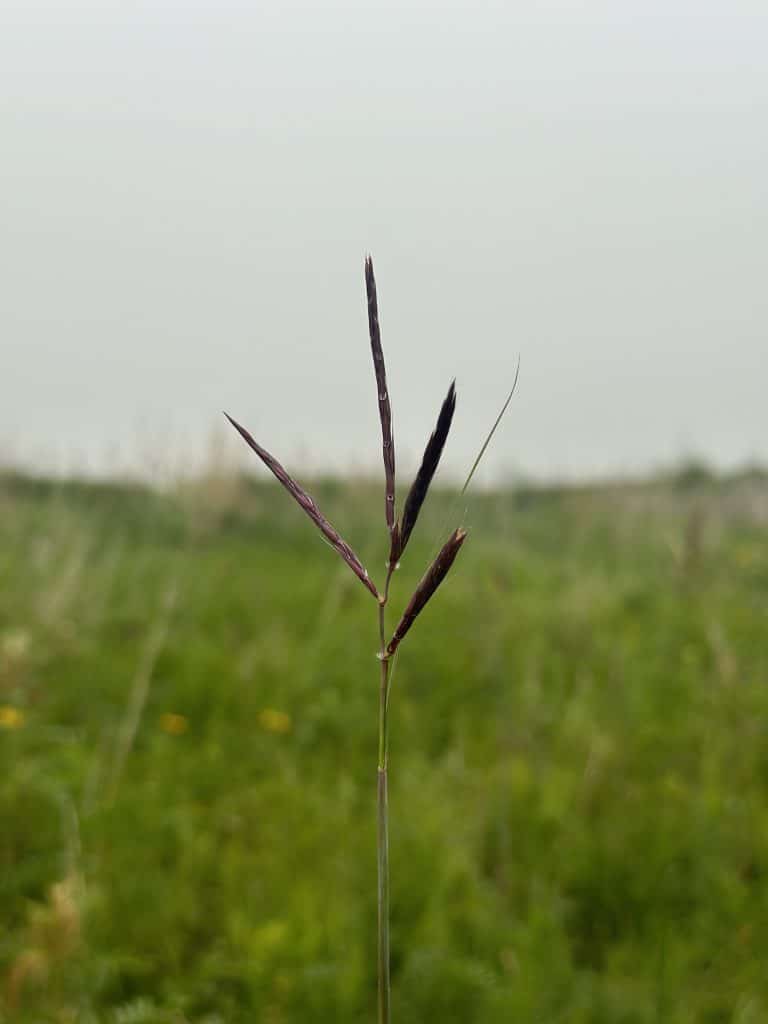
Big Bluestem:
Scientific name: Andropogon gerardi
Color: Red/purple (not blue!)
Size: 4-8 feet tall
Fun fact: The popular folk fest stage “Big Blue” is named after this plant.
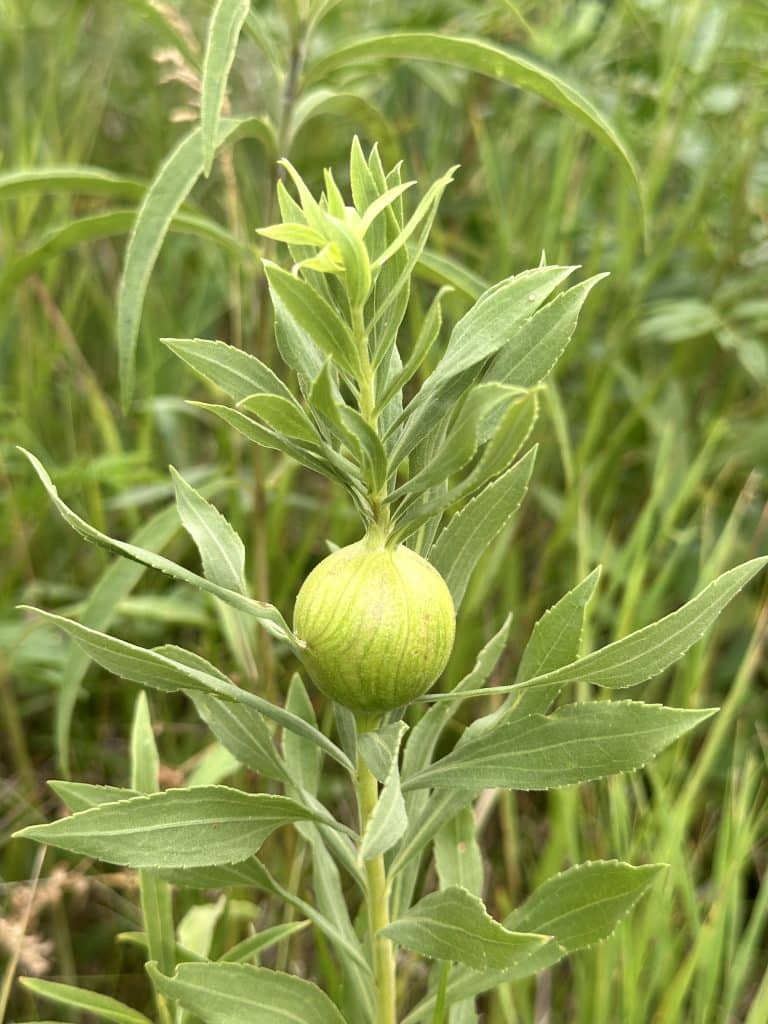
Golden Rod:
Scientific name: Solidago riddellii
Status: provincial rare-S2 (Manitoba Conservation Data Centre), threatened (MESA) special concern (COSEWIC)
Color: Yellow
Size: 3-4 feet
Fun fact: The goldenrod gall fly lays its eggs in the developing buds of the plant, which forms the ball shape.
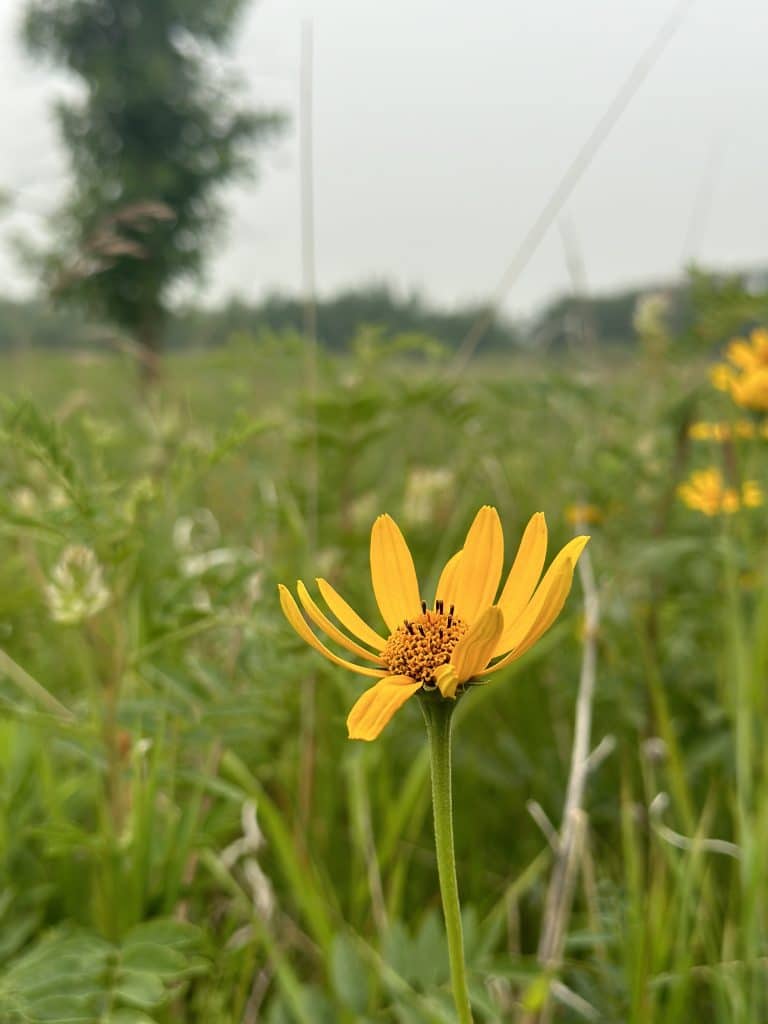
False Sunflower:
Scientific name: Heliopsis helianthoides
Color: Yellow
Size: 3 feet
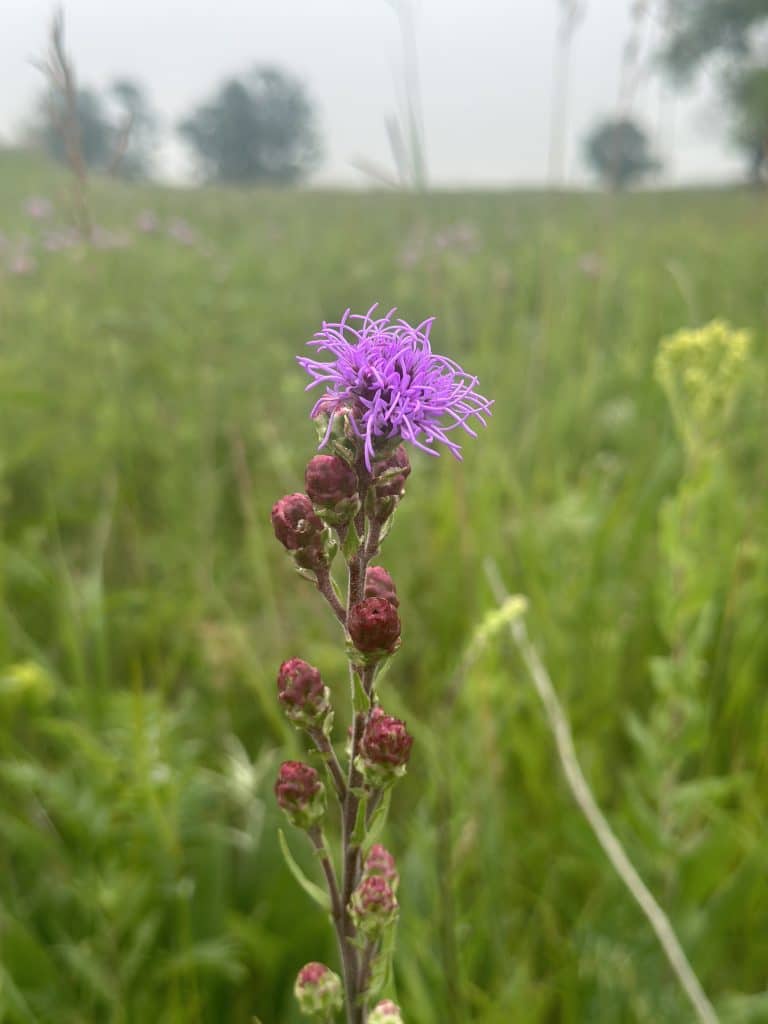
Meadow Blazing Star:
Scientific name: Liatris pycnostachya
Color: pink/purple
Size: 2-3 feet
Fun fact: One of the Top Ten flowers for providing nectar for butterflies.
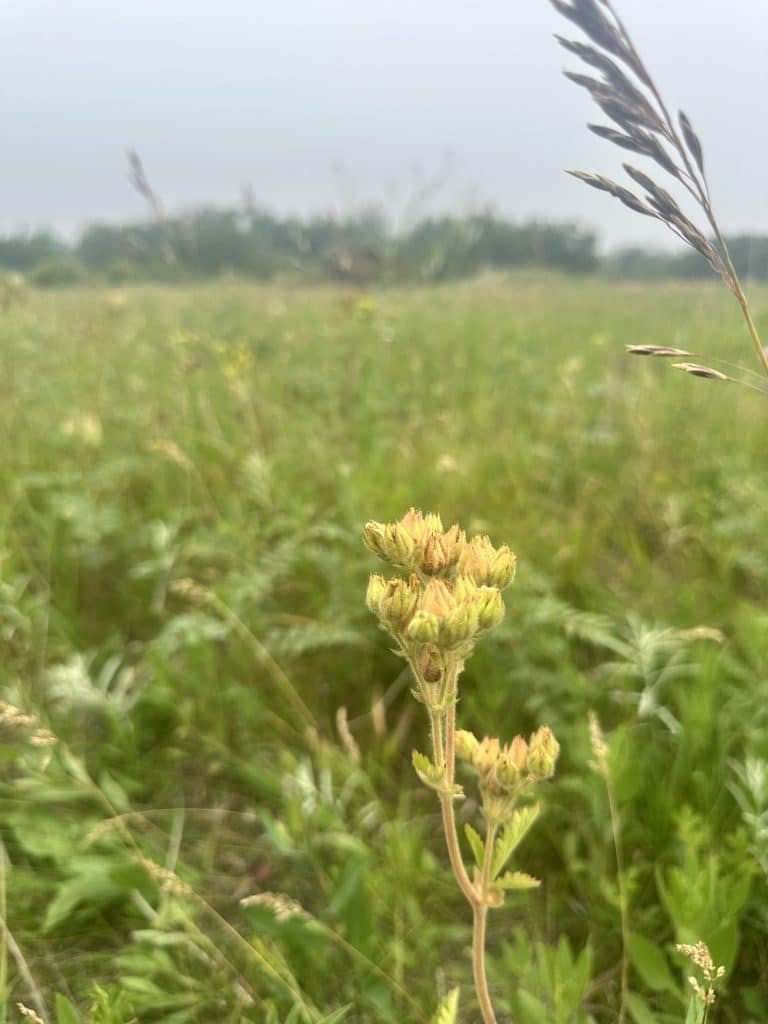
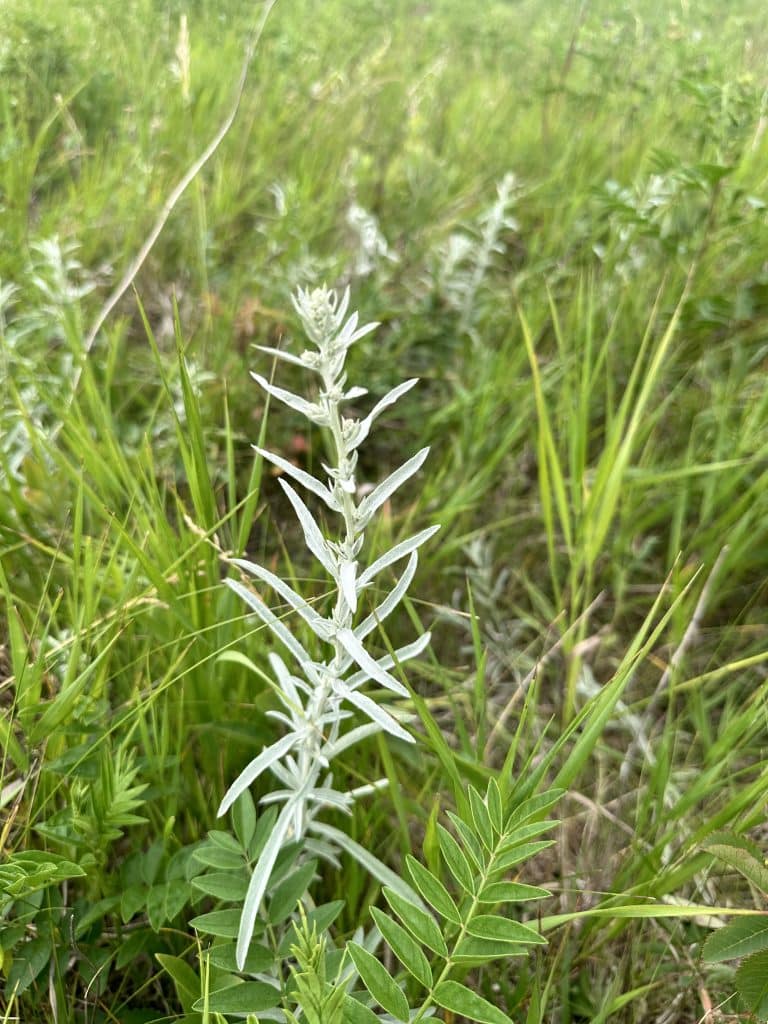
Prairie Sage:
Scientific name: Artemisia Ludoviciana
Color: Light green
Size: 1-3 feet
Fun fact: Sage is traditionally used by Indigenous people as a medicine and a smudge.
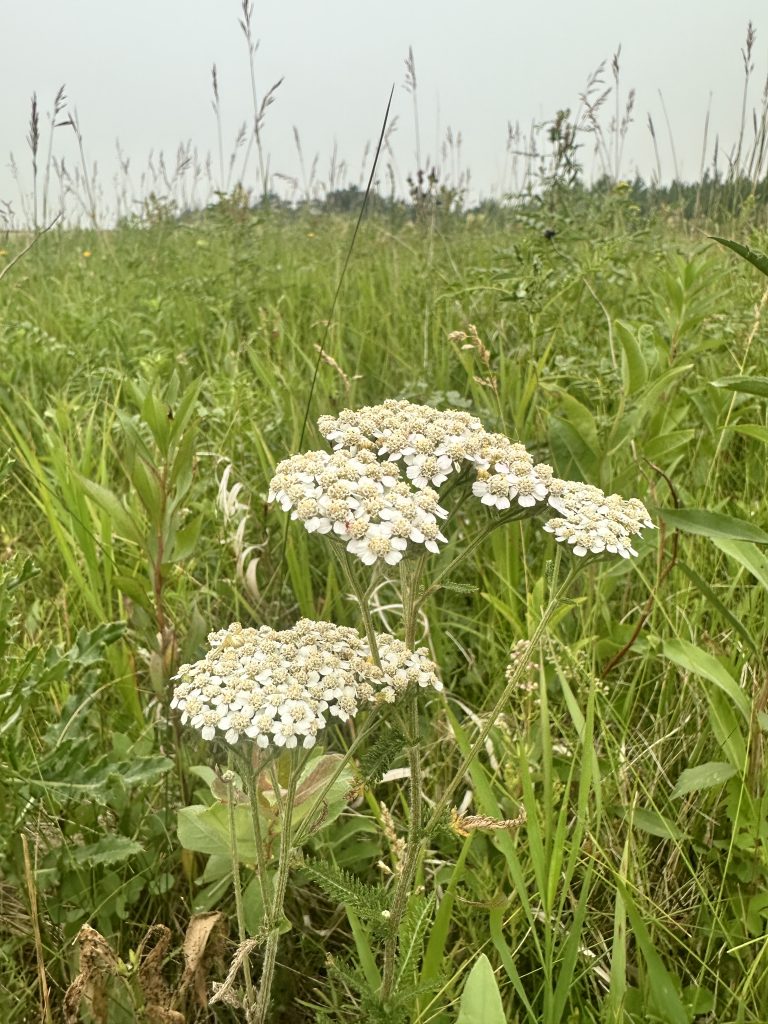
Yarrow:
Scientific name: Achillea millefolium
Color: White flowers
Size: 3 feet
Protection
Today the province, environmental non-profits, and ecologists like John Morgan and Bryana Nicolas are working to protect and preserve the habitats. John P. Morgan is hoping to bring the tall grass back to areas where it used to exist. Morgan founded Prairie Habitats Inc., Canada’s first prairie restoration company. He helped establish the Manitoba Tall Grass Prairie Preserve. Ecologist Bryana Nicolas helps to educate the public on native plants, by hosting walks. Bryana is a local ecologist with 15 years of experience in Manitoba classifying vegetation communities, writing management plans, and completing species at-risk surveys.