


Your Voice Matters and it can Make a Real Difference.
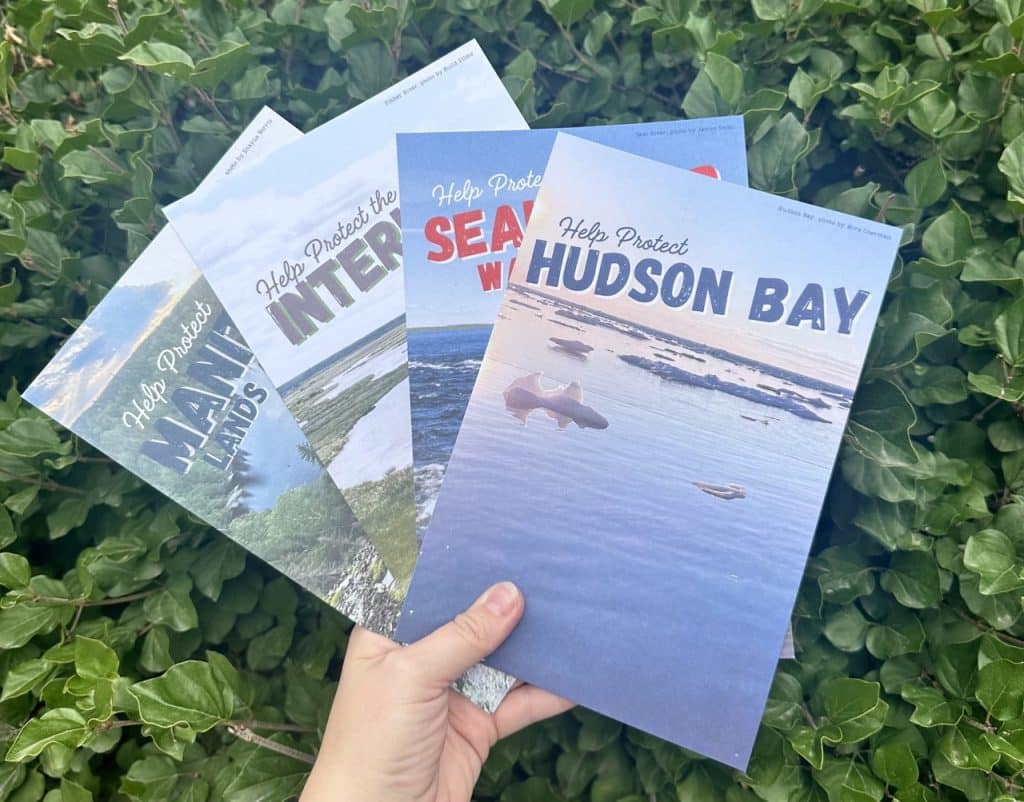
Did you know, one of the simplest and most effective ways to support conservation is by signing our online postcards? These messages go directly to the people in power whether it’s the Premier of Manitoba, the Prime Minister of Canada, or the minister responsible for the environment. When enough voices speak up, decision-makers take notice. Every signature helps show broad public support for protecting our lands and waters.
Now, if you’re ready to do more, (and we hope you are) this page is your go-to guide for making your voice even louder. Take a look into how to send a letter to the premier or MLA, write a letter to the editor, or an op-ed.
Letter to Your MLA or MP
Writing a letter to your MLA or MP is one of the most direct ways to influence government policy. When elected officials hear from their constituents, especially on issues like conservation, it can change the course of decisions.
Need help getting started? We’ve got you covered:
- Find your MLA or MP
- Start writing
- Keep it personal and respectful
- Say why the issue matters to you! Stories and emotion matter
- Ask for a specific action (e.g. support Indigenous-led conservation, protect a specific area, fund an action plan for nature)
- Send it their way!
Letters to the Editor: Make Headlines, Not Just Noise
Don’t shout into the void, write into the news cycle. A well-written Letter to the Editor gets public attention and sends a signal to politicians that people are paying attention.
Tips for success:
- Keep it short and focused (under 200 words)
- Mention the article or event you’re responding to
- Be timely and specific
- Stay civil and solution-focused
We highly recommend this Winnipeg Free Press guide on getting your letter published. It’s packed with helpful advice!
Op-Eds and Opinion Pieces Shape the Narrative
Don’t Just Critique — Cheer On! It’s important to write when you disagree with government or media coverage, but don’t forget to write when you agree, too. Public support can help elected officials stick to their guns on bold conservation action.
Consider writing an Op-Ed or letter in support of:
- A conservation announcement you’re excited about
- Indigenous-led initiatives
- A story or opinion piece you agree with and want to see more of
Writing for the Winnipeg Free Press?
- If you’re writing to the Winnipeg Free Press, here’s what works best:
- Think Tank opinion pieces can be up to 825 words (they’ll run two per day)
- If your piece is between 750–770 words, you’re in the sweet spot
- Over 1,100 words? It better be brilliant, and even then, it may take a while to see print
Include a brief bio at the end, usually one line explaining your experience or connection to the topic. For example: “Jane Doe is a wildlife biologist and proud Manitoban who has spent the past 20 years exploring the province’s boreal forests.”
Do:
- Be authentic. Speak from the heart about why the issue matters to you.
- Be respectful. Passion is great, personal attacks and name-calling are not.
- Be specific. Point to the article or issue you’re responding to.
- Be persuasive. Add a clear call to action: what do you want the reader or decision-maker to do?
Don’t:
- Make accusations of wrongdoing unless you can back it up, and say it outright
- Use personal insults, slurs, or threatening language (this isn’t Twitter/X)
- Try to be funnier than you are, even the pros miss more often than they hit
- Write anything that would make your mom give that look
Need a Second Set of Eyes?
Want to pitch an Op-Ed? We’re happy to help review your draft. Get in touch with our communications team.
Join us! Write for Nature
Never doubt that a small group of thoughtful, committed citizens can absolutely help write letters, plan strategies, and fight for a wilder future.
Your Voice is a Force for Nature
Protecting nature isn’t just the job of governments, it’s a shared responsibility. Each message, each letter, each act of advocacy adds weight to a growing demand: protect what we cannot replace.
You don’t need to be an expert or a professional writer. You just need to care and speak up.Together, we can turn quiet concern into powerful change.
Let’s raise our voices for the land, waters, and wildlife that sustain us.
Let’s speak up for nature, louder than ever.