
June 5, 2026
Celebrating Ocean Week
By Ron Thiessen, Executive Director, CPAWS Manitoba
It’s National Ocean Week and a fitting moment to recognize Manitoba as a coastal province. Churchill, known globally for its polar bears and beluga whales, sits at the heart of one of Canada’s most important marine ecosystems. Yet as governments invest heavily to expand the Port of Churchill into a year-round shipping gateway, the wildlife that define this region could face irreversible harm.
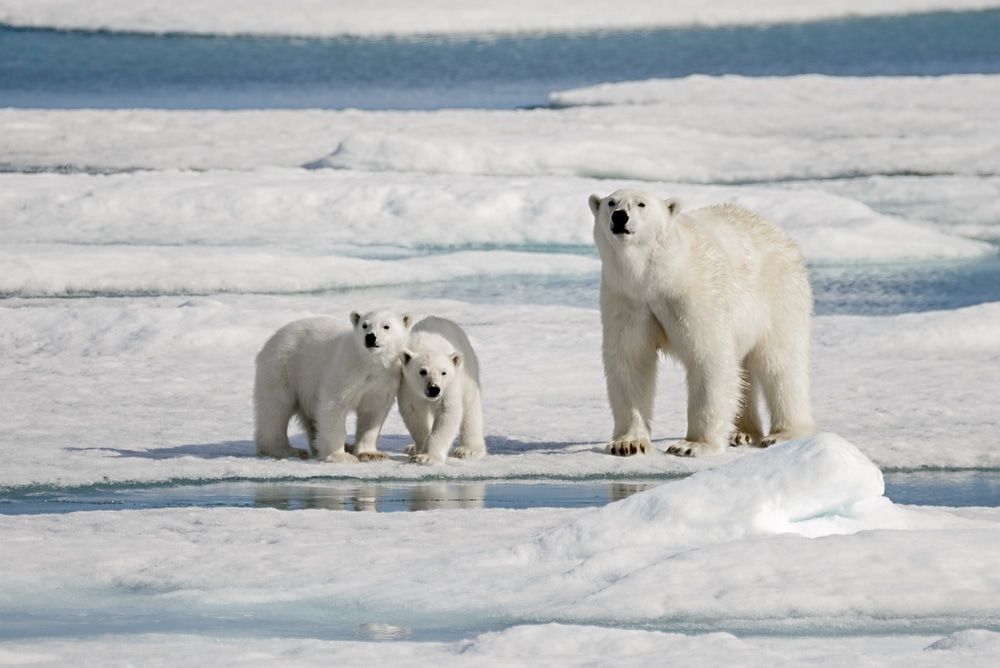
Western Hudson Bay is one of Canada’s most sensitive marine ecosystems. Its waters provide for tens of thousands of beluga whales, sustain the planet’s most iconic polar bear population, and offer critical habitat for migratory birds travelling between continents. These waters are deeply connected to Indigenous cultures and central to Churchill’s tourism economy.
National Marine Conservation Area
In 2018, the federal government announced plans to explore the creation of a National Marine Conservation Area (NMCA) in Western Hudson Bay. The next step of launching a feasibility study has the support from the Town of Churchill and more than 12,000 Canadians who wrote letters backing the initiative. Yet despite that enthusiasm, the required feasibility study has still not begun.
Manitoba is now taking encouraging steps forward. The province recently committed to working with Ottawa on the feasibility assessment and providing funding to help advance the process.
The urgency is clear. Major investments are already underway to expand shipping and industrial activity in the region. Manitoba has committed tens of millions of dollars toward upgrading the Hudson Bay Railway, modernizing port infrastructure, and studying expanded ice-breaking capabilities to support year-round operations. The federal government has also invested $175 million to position Churchill as a major trade corridor for agricultural exports, critical minerals, and potentially Liquefied Natural Gas (LNG), a proposal that has sparked environmental concerns.
The debate is no longer about whether development will happen. Development is already underway.
Creating a Balance in the Bay
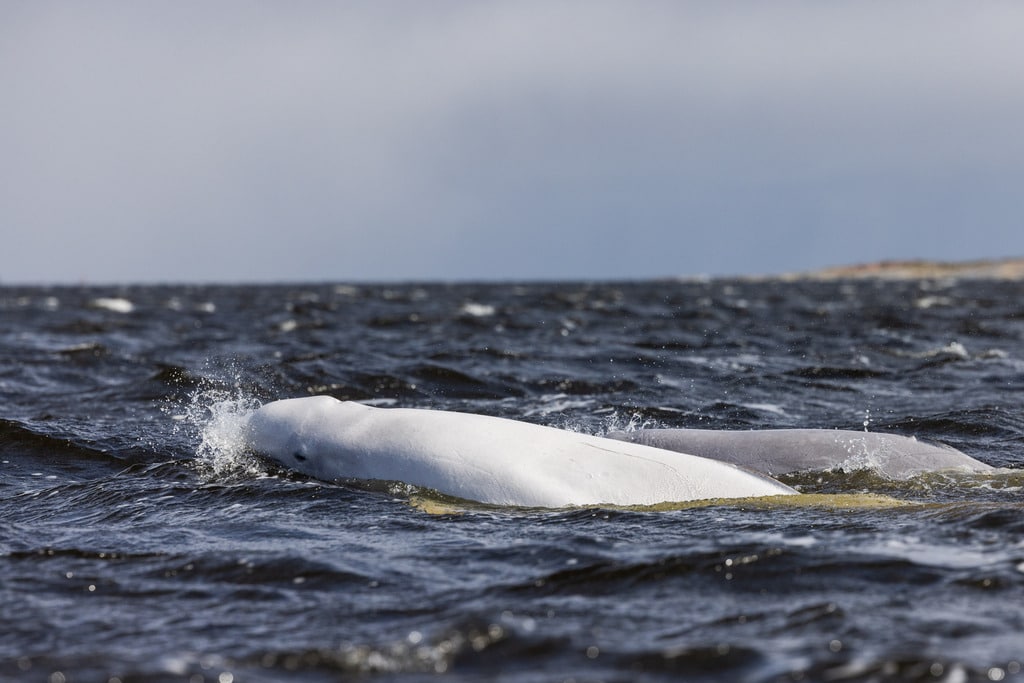
Other Arctic and Subarctic regions provide clear warnings about the impacts of growing marine traffic. Increased vessel activity creates underwater noise that interferes with belugas’ ability to communicate and care for their young. More ships also raise the risks of wildlife collisions and hazardous spills. All of this adds pressure to an ecosystem already stressed by climate change and disappearing sea ice.
The real question is whether conservation will shape increased development from the beginning, or whether protections will only arrive after irreversible environmental damage has occurred.
That is why establishing a National Marine Conservation Area matters.
An NMCA is not designed to halt economic activity. It is a collaborative model of marine stewardship developed with local and regional communities. These conservation areas can accommodate shipping, tourism, research, and fishing while ensuring ecologically sensitive areas receive strong protection. Measures such as vessel speed limits, noise reduction requirements, and protected migration corridors can all be incorporated through careful planning and scientific monitoring.
Examples elsewhere in Canada show that conservation and economic opportunity can coexist. In British Columbia, the Gwaii Haanas National Marine Conservation Area supports tourism while helping protect whales and other marine species. In Quebec, the Saguenay–St. Lawrence Marine Park has created jobs in research, stewardship, and ecotourism while safeguarding one of Canada’s most sensitive marine environments.
Churchill deserves the same balanced approach.
Feasibility of a NMCA
A feasibility assessment for a Western Hudson Bay NMCA would create an opportunity for formalized and resourced dialogue with regional communities and stakeholders. It would explore which marine areas require the strongest protection, how economic and environmental priorities can be balanced, and what long-term opportunities could emerge from conservation-based developments.
A well-designed NMCA could help provide certainty for industry, support tourism, attract federal investment, and ensure the wildlife that draws visitors from around the world remains protected for future generations.
Similar planning processes elsewhere in Canada, such as recent work by Mushkegowuk Council in the James Bay region, have demonstrated how Indigenous knowledge, local priorities, and scientific research can work together to identify important habitats, cultural values, and opportunities for sustainable development. A similar approach in Western Hudson Bay would ensure Indigenous peoples, Churchill residents, and regional stakeholders shape the future of the waters they know best.
The federal government needs to formally partner with Manitoba and northern communities on the feasibility study. Instead, studies examining expanded shipping and additional ice-breaking continue to advance while the proposal to protect the waters those ships would travel has yet to begin.
That approach has the priorities reversed.
Churchill’s future can include both economic opportunity and healthy marine ecosystems. But that future won’t happen by accident. If governments are serious about expanding shipping in Western Hudson Bay, they must be equally serious about planning for conservation. The time to begin the National Marine Conservation Area feasibility study is now.
Learn More:
What is an NMCA? Learn more in our blog “A Park for the Ocean.“
Learn about Hudson Bay with some fun facts in “Hudson Bay-sics”
Share your support and sign a letter, https://hbnmca.info/
About CPAWS
CPAWS has been a national leader in marine protection for over 30 years. We work alongside Indigenous partners and local communities to advocate for stronger, better-connected marine protected areas that respect cultural values and protect ecosystems. Learn more about our national ocean protection work here.
About Western Hudson Bay
Western Hudson Bay is a crucial wildlife habitat, home to large populations of polar bears, beluga whales, and birds. CPAWS Manitoba is advocating for a National Marine Conservation Area (NMCA) to protect these species and their environment, while securing cherished regional cultures, ways of life for Indigenous peoples, and opportunities for sustainable livelihoods. NMCAs limit harmful activities like deep sea drilling and trawling, while allowing things like sustainable tourism and fishing. Establishing an NMCA in Hudson Bay would safeguard wildlife, protect local ways of life and promote long-term economic opportunities.