

In Conversation with Fisher River Elders
by CPAWS Manitoba, and Conservation Areas Initiative
On August 6, CPAWS Manitoba had the privilege of spending time at Fisher River Cree Nation’s Annual Pow Wow and speaking with Elders Fred G. Sinclair, Leslie McKay, Dorothy L. Crate and Gloria A. Cook.
We asked them a simple question: What does it mean to connect with and care for the land?
Their answers brought us from fishing on the lake and walking through the bush to childhood memories, family traditions and lessons now being passed on to grandchildren.
What emerged was a common theme, caring for the land isn’t only about protecting a place. It’s about maintaining a relationship with the land and passing that relationship (and the responsibility that comes with it) from one generation to the next.
Connecting with the land
For Fred Sinclair, connecting with the land means spending time in the bush at all hours of the day, fishing, reflecting and paying attention to the world around him.
“I talk to trees, I talk to animals, birds. I don’t leave anything behind. It’s one of my ways of connecting to the land spiritually, it’s a beautiful thing.”
Leslie McKay described a similar connection. He recalled spending time in the wilderness, setting snares for rabbits and living from the land.
“The purpose for me is to be connected with nature… connected with nature and mother earth. That’s part of the purpose of life.”
Throughout the conversation, the Elders spoke about the land and water as much more than a backdrop to community life. To them, being on the land means maintaining a relationship with it that extends across generations, in addition to the activities they enjoy there, whether alone, or with family and friends.

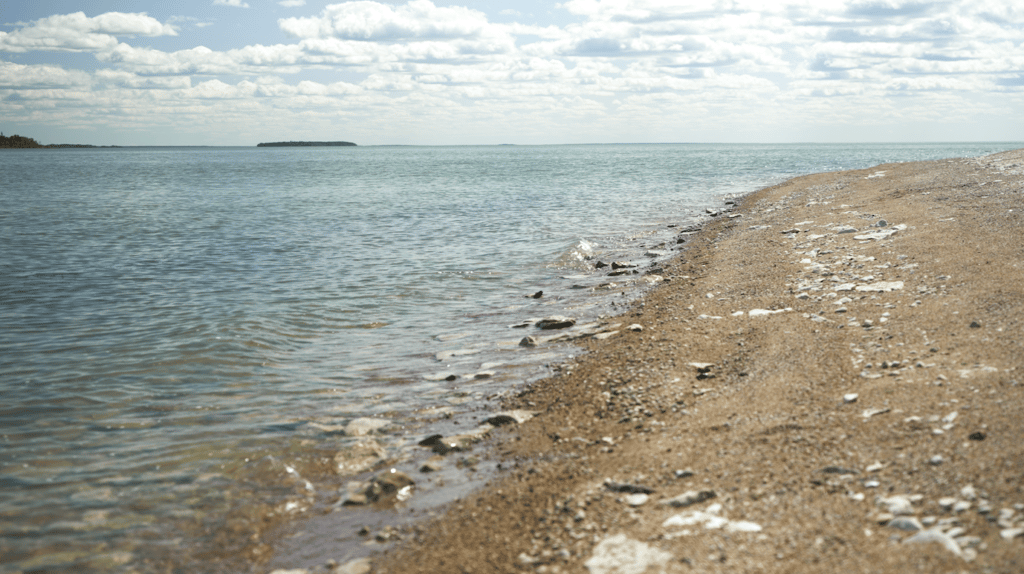
Learning by doing
Again and again, the conversation returned to children.
Gloria Cook shared a story about a young relative who had already learned an important lesson about caring for the earth. When someone in their vehicle was about to throw something out the window, the young girl stopped him.
“Don’t do that. You’re going to hurt mother earth… You keep the garbage in here. We’ll throw it away.”
For Gloria, it was an example of just how ready children are to learn when those lessons begin early.
Dorothy Crate summed up her own lesson for younger generations in just a few words: “Keeping it clean and leave it as you find it.”
Those lessons don’t necessarily happen in a classroom. They happen while walking, fishing, gathering, observing and spending time together on the land.
Passing knowledge to the next generation
Fred now sees passing those lessons on as part of his own responsibility.
At home, he allows much of the land around his property to grow naturally. Over the years, he has watched trees and wild plants return and noticed more bees, birds and other wildlife.
He brings his grandchildren outside and teaches them about the plants and the land, just as people in his community taught him when he was young.
“All these things that I’m teaching them, a lot of it was shown to me when I was younger by all the people in our community.”
It’s a cycle that stretches across generations: learn from those who came before you, develop your own relationship with the land, and pass that knowledge on.
Fred’s message to his grandchildren perhaps says it best:
“Just remember what I’m teaching you now to try and take care of our land, our earth.”

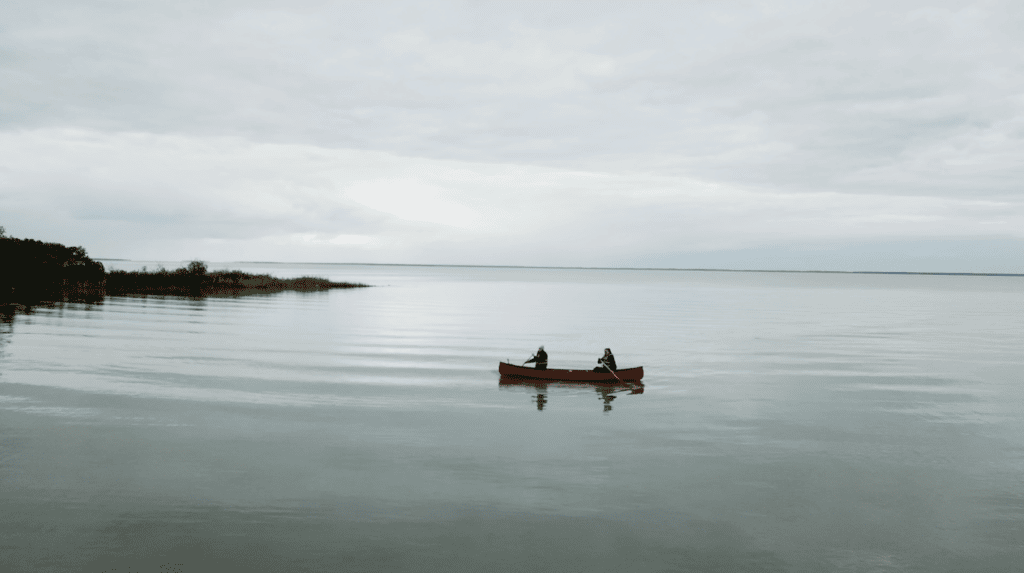
Listening and learning
CPAWS Manitoba is grateful to Fred, Leslie, Dorothy and Gloria for sharing their time, stories and perspectives with us.
As work continues to explore opportunities to protect lands and waters in the Fisher Bay region, conversations like these are an important reminder that conservation is about more than keeping areas natural. It’s also about relationships with the land, knowledge passed between
generations, and ensuring future generations have the opportunity to build those relationships for themselves.
We look forward to continuing to listen, learn and support Indigenous-led efforts to care for these lands and waters for generations to come.
Quotes have been lightly edited for length and clarity.