
April 2, 2026
Does leaving a banana peel on your hike, or throwing an apple core out your window count as composting? Well, there’s more to composting than leaving your food scraps outside!
But don’t worry, in this blog you’ll learn just how easy, and non-intimidating composting really is. We’ll go over misconceptions and the looming decision fatigue that’s stopping you from getting dirty!
These tips and tricks will be for the beginner gardener, and not for someone who’s looking to set up a three barrel system at their homestead.
Let’s dig in.
What is composting?
Composting is the act of keeping kitchen scraps and garden waste while they decompose to turn them into nutrient rich soil for your plants!
There are many benefits to composting, the main one being food that decomposes in a compost bin rather than a landfill, eliminates the methane gas it releases.
What you’ll need:
1. A Container
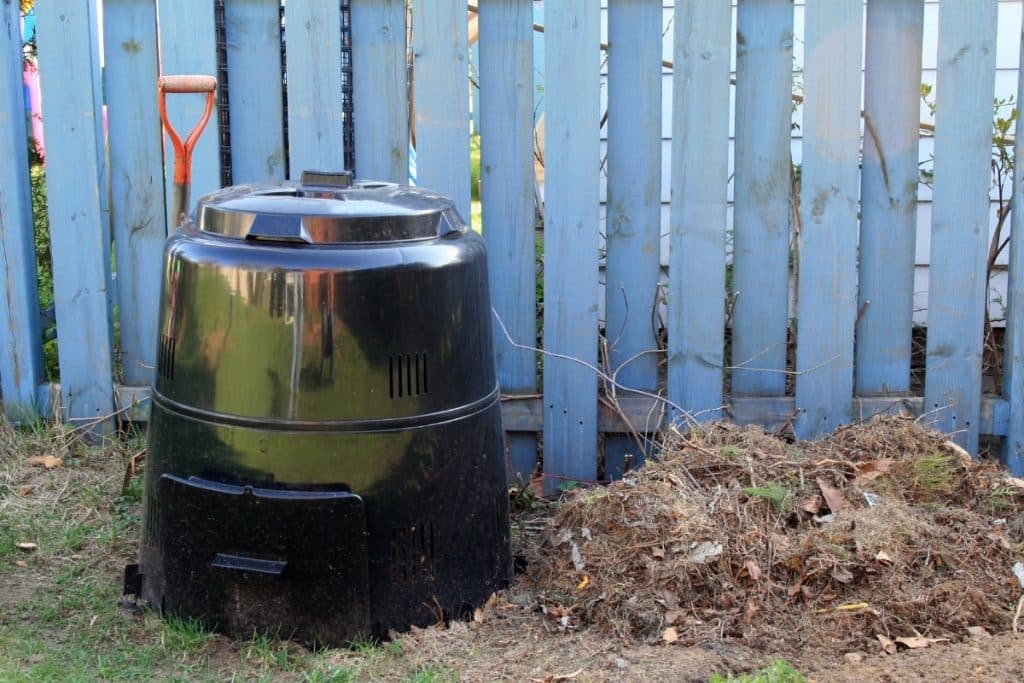
You might not be able to contain your excitement, but you’ll need to contain all this compost! Picking a container is easy, all you need is a dark, ventilated outdoor bin, or tumbler, with a pest proof lid. You can make your own bin at home by drilling holes along the sides and bottom of a 5-gallon pail.
But if you don’t have access to a container, you can compost directly in the ground!
Don’t have a yard? No problem! You can keep your compost materials in a brown paper bag or pail, and drop off at a nearby compost bin. Find your local compost bin in Winnipeg.
2. Green Material
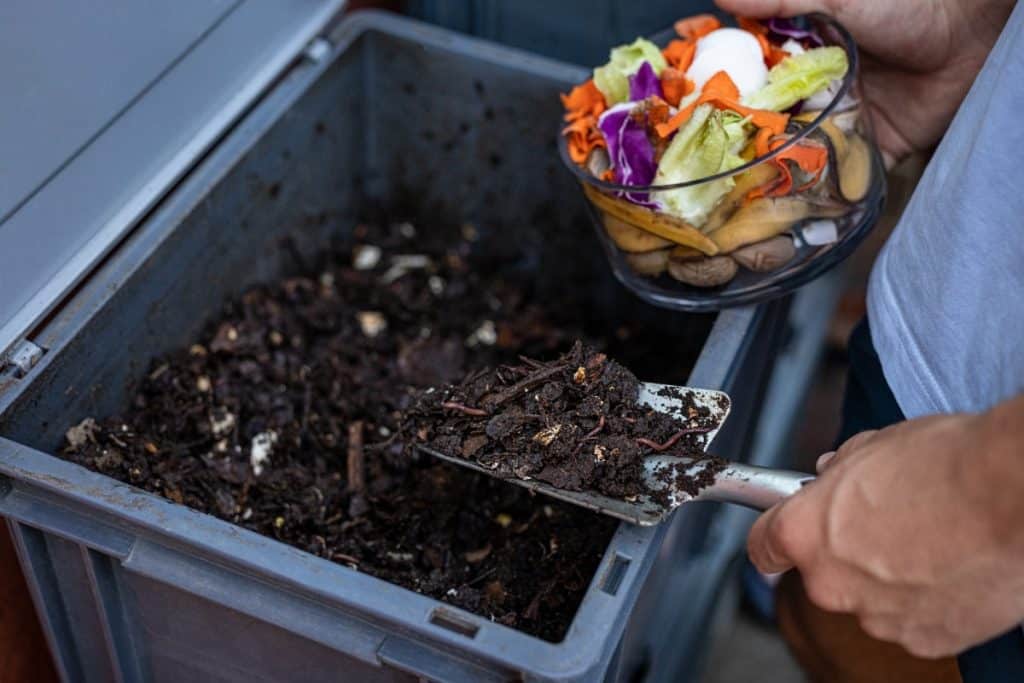
Every successful compost bin runs on just two types of material. Green and brown. Green material comes from “fresh” or recently fresh food scraps, and yard waste like lawn clippings. So, examples of “green” material include: vegetable peels, rotten fruit, coffee grounds, and tea leaves.
3. Brown Material
Brown material comes from “old” and dried yard waste like dead sticks or leaves. This can also be plain cardboard or brown paper without any tape, dyes, or coatings. Examples of “brown” materials include leaves or grass, newspaper (uncoated), paper grocery bags, cardboard, and paper towels.
How to start composting:
Now that you’ve got your bin, and your materials inside, let’s get it moving.
Find a spot
First, find an ideal spot for your container/bin in your yard. An ideal spot is evenly leveled and mostly shaded with good water drainage
Add your materials
Then, add your green materials first and top it off with brown materials.
Mix
Compost needs lots of oxygen, so make sure to mix your bin around once a week.
What you CAN’T compost:
Fruit stickers
Apple and banana stickers might be edible, but they unfortunately don’t compost in just one summer season. I’ve found my fair share of white plastic stickers in my dirt, so I prefer to leave them in the kitchen garbage.
Meat
Unless you’ve got an industrial scale composter, the average backyard composter just isn’t the best place to put meat. Because compost naturally gives off heat and odour, this addition could give you negative effects, and potentially attract four legged visitors to your backyard. However, you can compost meat in a Compost Winnipeg residential bin!
What about takeout containers?
Look for the BPI certified logo on the packaging or product. This means it is compostable!
Now you’re ready!
In just a few months, with continual maintenance and patience, you’ll be able to harvest your new soil. Compost soil is rich in nutrients and acts as a free fertilizer which your plants will thank you for! So you can use this brown gold for your indoor plants, or outdoors in your flower beds or your vegetable garden.
In conclusion, composting is a great summer hobby which helps lower your carbon footprint, improve your soil quality, and save you money.
Learn More:
Learn more about small scale backyard composting from the David Suzuki foundation
Find information about the First Nations Waste Minimization Program with Green Action Centre
Dropping off compost at a Compost Winnipeg location? Visit their composting guide. Available in other languages here.