
July 9, 2026
This blog post is originally from November of 2025. But with summer heating up and more folks exploring outside, we figured it’s a good time for a refresher! Here’s a guide for what to pack for a hike.
Hiking can be a fun and rewarding activity, but the right equipment can make all the difference. We’ve been running Nature Club hikes for a few years now, so we’ve got things down to a science. We’ve got a good handle on what’s necessary and what will weigh you down.
Starting Point
Identify Weather Conditions
The first thing you must do before leaving for a hike is check the weather forecast. Here in Manitoba, we have very extreme weather that can turn very quickly. Packing the right supplies and dressing appropriately is key to enduring any kind of weather you may experience. If you do a lot of hiking, a good habit is to leave some hiking gear and snacks in your car. This way, if you forget something, at least you have your trunk as a last resort.
Summer Weather
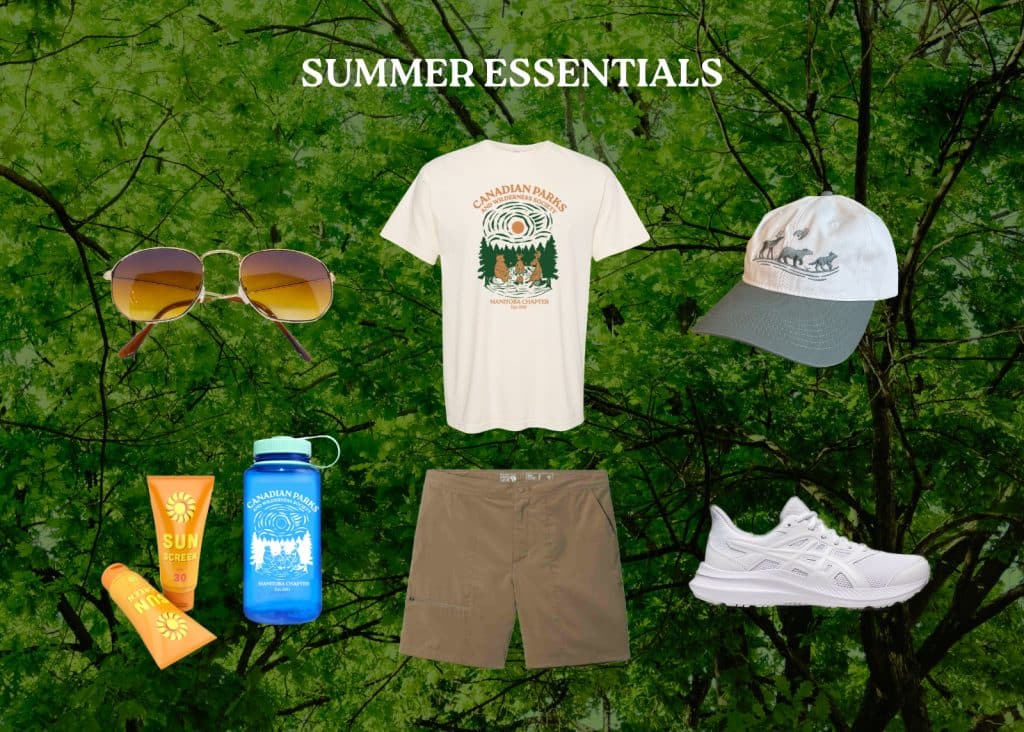
In summer, make sure you are wearing something light and breathable, and bring a rain jacket just in case. If you’re wearing shorts, make sure they are comfortable and don’t cause you any discomfort while walking in the heat. Make sure to always wear sunscreen and bring a hat and sunglasses to keep the sun out of your eyes.
Winter Weather
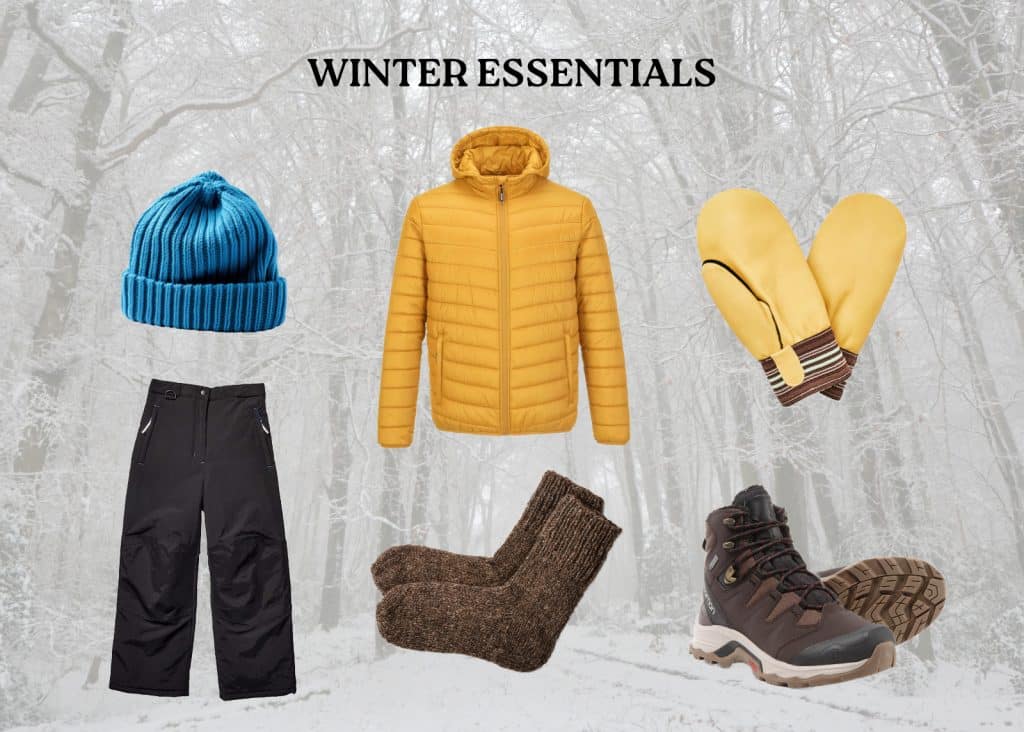
Hiking in the winter can be a little tricky if you don’t have proper clothing. Starting with a warm base layer is key. This doesn’t necessarily have to be expensive gear from an outdoor brand. Leggings or pyjama pants work great, and a good old pair of ski pants to ensure your layers stay dry. For the upper body, a long sleeve shirt, crew-neck sweater, or hoodie are a great place to start. Top it off with a winter coat, and you’re good to go. Make sure to wear lots of layers so you can take one off if you do get too warm. If you start to sweat and your temperature drops again after, you will feel much colder than you did before. Plus your layers won’t keep you as warm. So make sure you don’t get too toasty in the car on the way to the trail!
Remember, you lose heat through body parts that are furthest away from the body’s core. Places like your head, ears, nose, toes and fingers. It’s important to have double-lined mittens, a toque, thick socks and winter boots. These are key to making sure your body heat doesn’t escape.
Identify Length of Hike
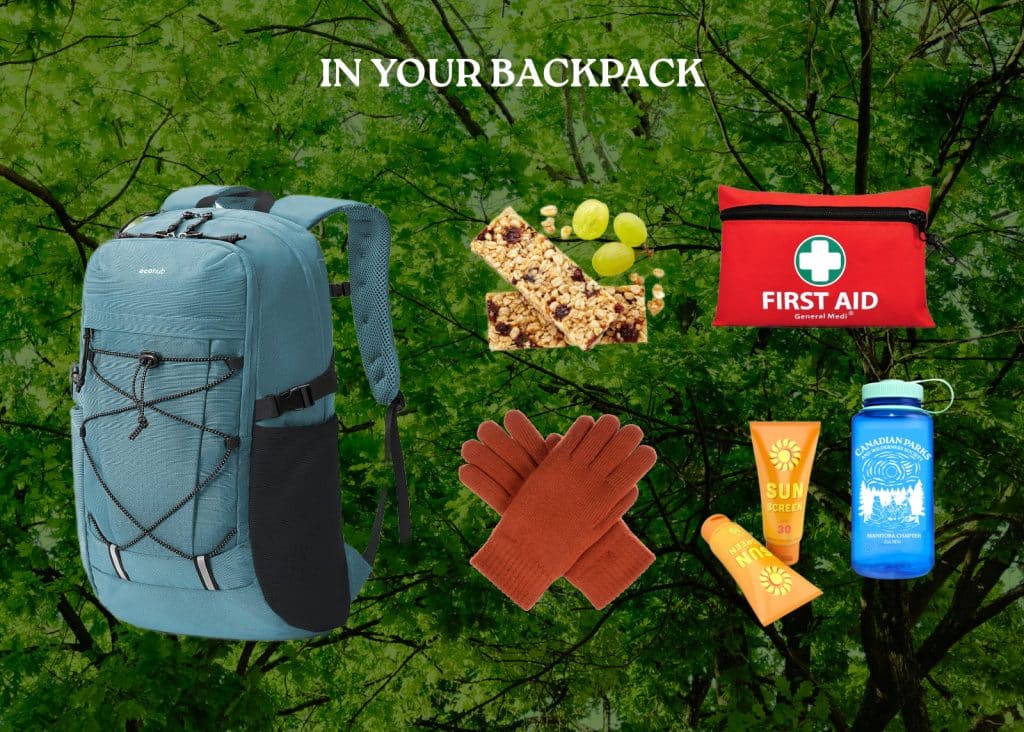
Another big factor in what to pack for a hike is how long that hike will be. You should always bring more water than you think you will need. There is nothing worse than being in the middle of a hike and desperately needing more water or a snack. A good rule to follow is that when water supply is half gone, you should probably start heading back. If you keep hiking, you will have less water and may run out before the hike is over. Packing lots of snacks is also helpful, just in case you or a fellow hiker needs the extra energy. We recommend snacks that boost your energy and are light to carry, like granola bars and fruit.
If completing a trail that will take an hour or less, try to pack light. A small fanny pack or your pockets will probably be enough to hold your snacks, phone, wallet, and keys. If it is longer than an hour, maybe bring a backpack to keep all of your stuff. It is very important to stay hydrated during a hike, so an extra water bottle is never a bad idea.
Gear Basics
Backpack
The backpack that you choose to wear can have a big impact on your comfort levels. Finding one that fits comfortably on your back and fits all of your supplies is an important place to start. Again, if your hike is shorter, a small fanny pack or crossbody bag works.
Water Bottle
A water bottle is one of the most important things you can bring with you on a hike. You need to ensure that you don’t get dehydrated while on the trail, even in winter. We prefer a water bottle that holds at least 1 litre of water and is easy to carry while walking. A Nalgene is a good go-to as it’s a good size without being uncomfortable to carry
First Aid
Carrying a small first aid kit or any medications that you may need is vital to your safety. Something small like a few bandages and cleaning wipes will work, or it can be an entire kit. Having a first aid kit is essential when hiking with kids, as they may need a bandage or two. Assess your own risk and pack accordingly.
Shoes
The shoes that you wear can make or break your fun afternoon of hiking. The worst is getting into your hike and realizing your feet are cold or uncomfortable. It’s important to think ahead and choose the right footwear for your needs. You don’t need the most expensive pair of hiking boots there is, but make sure whatever you wear is comfortable. Choose something that won’t leave your feet to freeze, sweat, or blister. In summer, a comfortable pair of running shoes with grip will work, but you’ll want warm boots for winter.
Socks
Make sure to wear socks that fit your feet and don’t bunch up or rub your feet. A long pair of cotton socks is nice, or wool socks if they aren’t too itchy! You may need to double-up on really cold days.
Where to Find Gear
If you’re looking for new gear to enhance your hikes, there are plenty of places in Winnipeg that can help:
Wilderness Supply at 50 Isabel Street is a great local store with everything you may need to spend time outdoors. They also offer rental equipment, like snowshoes and paddling supplies.
Mountain Equipment Company is also a great place to shop, located at 303 Portage Avenue.
Mountain Warehouse has quite a few locations in the city, with fair pricing and good sales.
Bass Pro Shops is a store with a huge selection of outdoor gear, located at 580 Sterling Lyon Parkway.
Another way to get gear for yourself is by thrifting clothing and finding items second-hand through clothing swaps. Facebook Marketplace is an easy place to look at what is available in your area. Just make sure you are thinking about your safety when meeting up to buy items. There are also online stores that sell used hiking clothes and gear, including ReSail and Life Outside Gear Exchange.
Get Out and Adventure!
So get packing and head out on the trail! We urge everyone to follow the Leave No Trace principles. The concept of leaving no trace is simple: bring back everything you brought with you, leaving only footprints. See our blog on Leave No Trace for more information.
Connecting with nature has countless benefits, so enjoy your time on the trails! One of the best parts about hiking is that it is for everyone! No matter what your fitness levels are, you can find a trail that you’ll enjoy.
Learn More
Check out our upcoming Nature Club hikes! These are on the first Saturday of every month at a different location each time. These are free to attend, and a great way to meet like-minded people or find your new favourite hiking spot! Take a look at our hike trail guide for more helpful information.