
February 5, 2026
Beginner’s Guide to Birding
By Juliana, Social Media and Content Assistant
I bet you know your local barista by name, you’ve memorized the modern barbershops, or know exactly when your neighbour Phil will go out and shovel his half of the sidewalk. But can you name the other locals? And by other locals, I mean birds.
You can find birds anywhere you look. Birds are all around. If you’re looking to make a day of birdwatching, places like Oak Hammock Marsh, Fortwhyte Alive, and Birds Hill Chickadee Trail are great places to be fully immersed in our feathered locals.
The great thing about birding is its accessibility and eagerly welcoming community. If you’ve stopped to look or listen to a bird, congratulations you are already a birder!
Birding Essentials
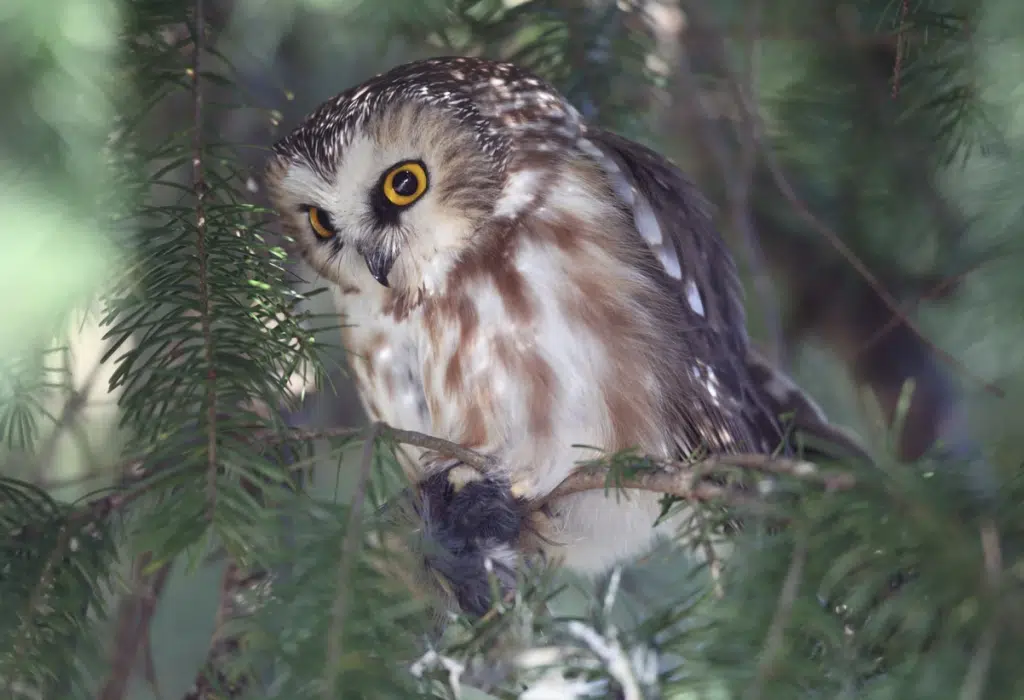
The best part about birding, is you already have everything you need to start! You’ll need a keen eye, and lots of patience. Optionally, if you want to step up your bird game, you could check out a local field guide, like Audubon’s Online Guide or a physical copy, and a bird call app, like Audubon Bird Guide App.
How to Birdwatch
Birding is simple: Stop, look, and listen. And of course, repeat (forever).
Step 1: Stop
Birding isn’t for the passive — it requires your undivided attention. Being present and in the moment will increase your success in noticing the birds all around you, no matter where you are.
Step 2: Look
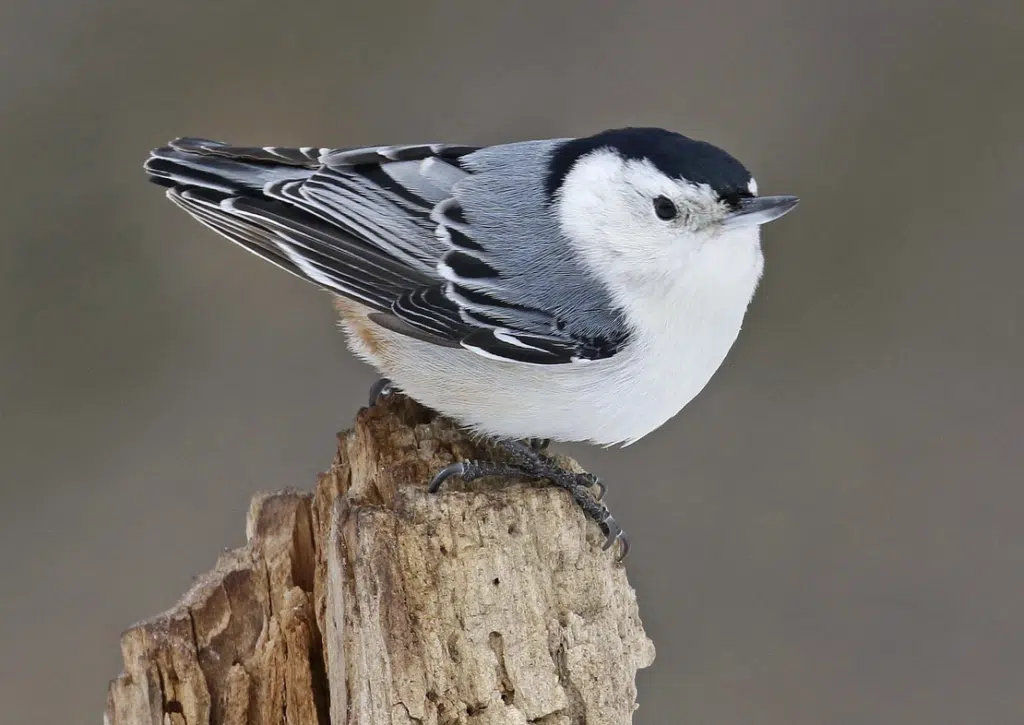
Where you stand, and the bird habitat you’re in, will be one of your first clues to help you in your birding adventures. Look around at the neighbouring telephone poles, fence posts, oak trees, or a nearby plowed field. This will be the difference between spotting the “feeder bully” Blue Jay or a White-breasted Nuthatch. Some of the best times to birdwatch are during migratory seasons, and in the Spring, when it’s the most fruitful period to hear bird calls.
Step 3: Listen
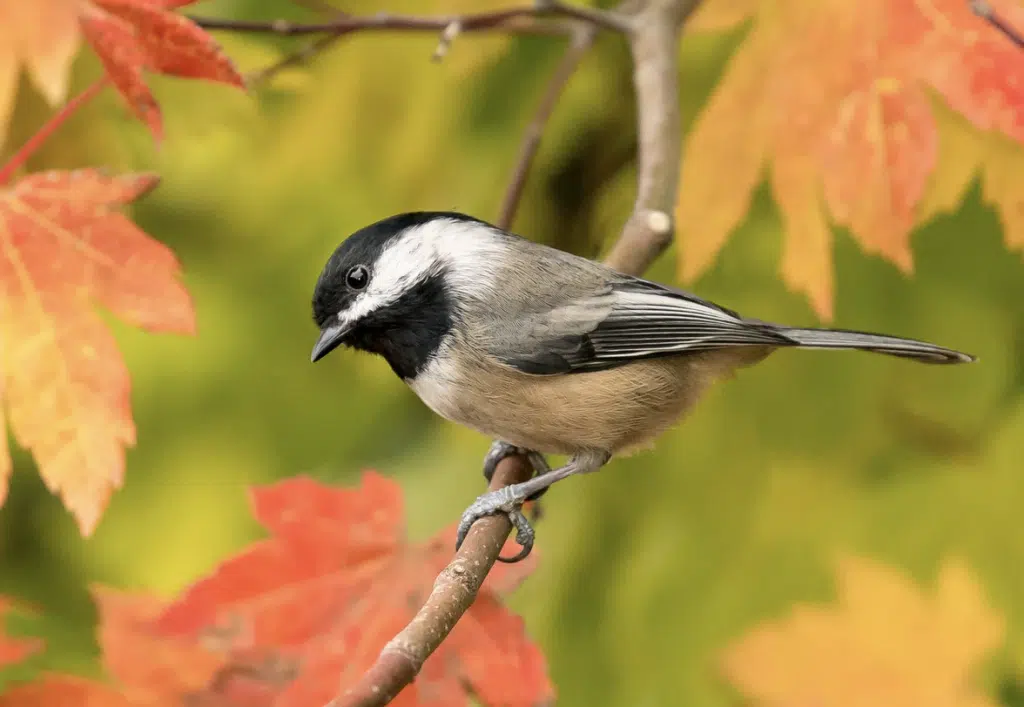
Some birds are easy enough to identify by their unique call and songs, and creating mnemonics for them can help make their calls stick to memory. A Black-capped Chickadee likes to sing “hey sweetie” and alarm calls “chick-a-dee-dee-dee”. The length of a Black-capped Chickadee’s warning call conveys different kinds of threats. Read our full blog on identifying bird calls here.
How to Identify:
Family:
The first thing to spot when identifying a bird is its family, this will help you narrow down what you are looking at. In Manitoba there are around 400 bird species that can be broken down into around 60 families.Here are just a few Manitoba groups:
Ducks+Geese:
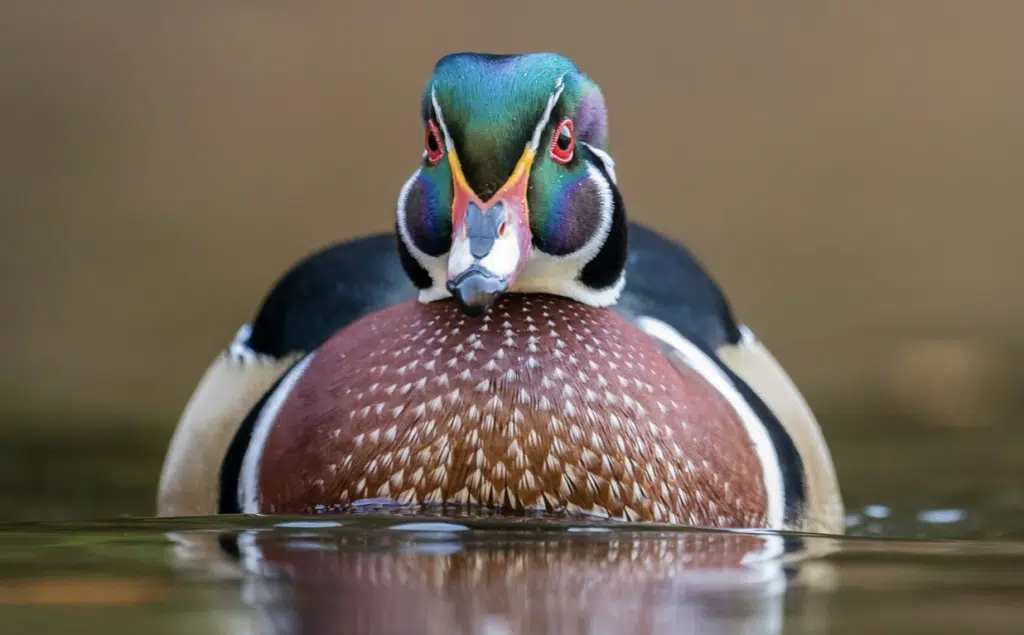
Waterfowl birds can be found in the Anatidae family. These are identified by their larger size, webbed feet, flatter bills, and are most likely found near water.
Gulls/Terns:
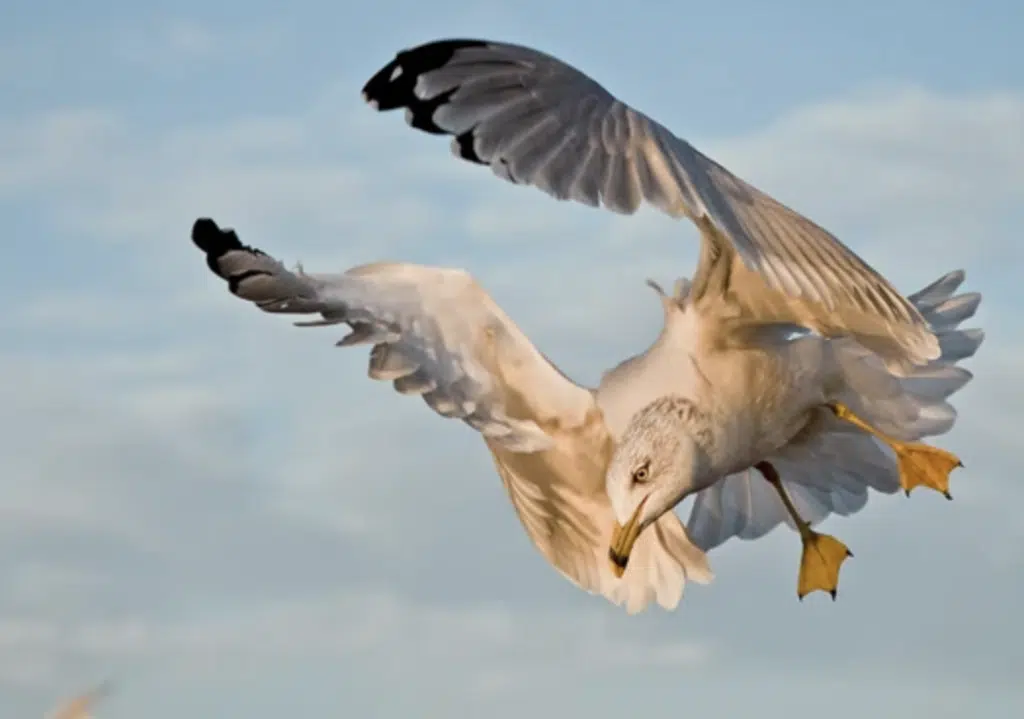
Ever spotted a medium sized white bird on the beach and said, “Aw look, a seagull?” Well…it most likely wasn’t a seagull. There are dozens of seabirds found in Manitoba, however, no seagulls, but you can find lots of other gulls.
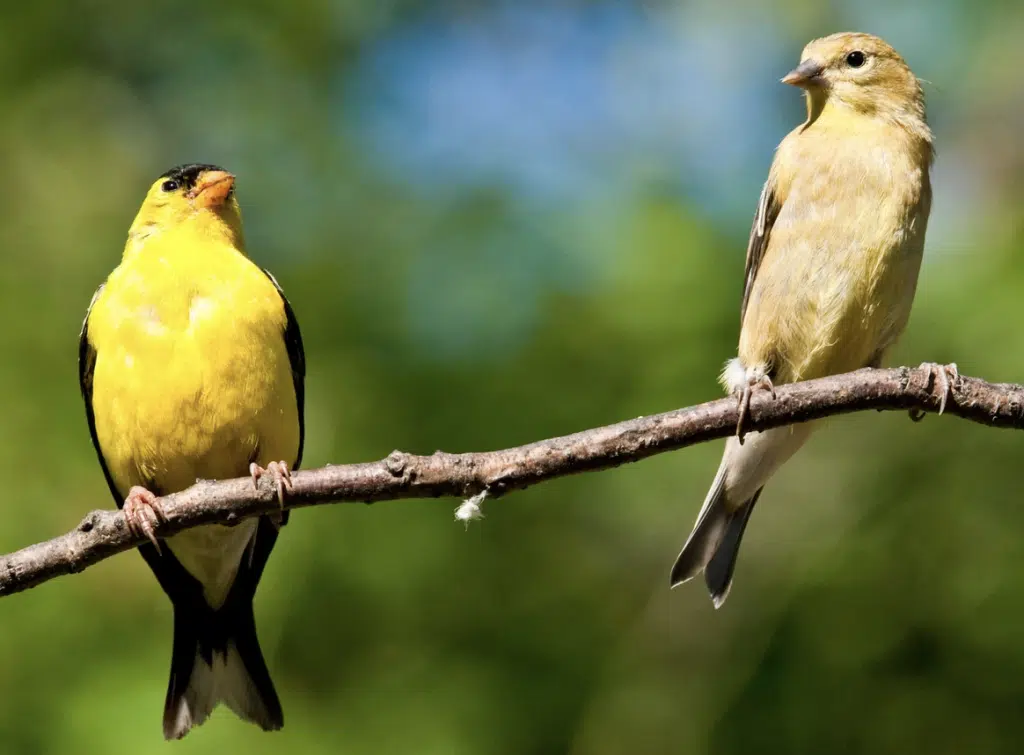
Finches:
The Fringillidae family can be identifiable by their small size, cone-like beaks, bouncing flight, and beautiful song.
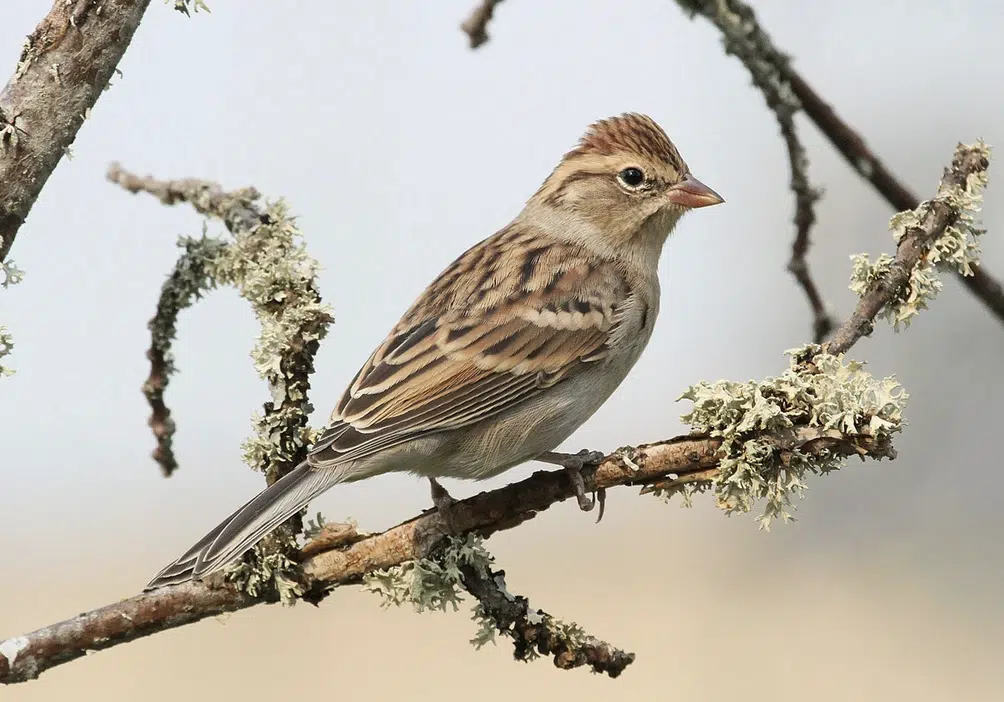
Sparrows:
Sparrows are known as the Passeridae family and the Passerellidae family. They are small brown and grey birds, with short tails and beaks.
Behaviour:
An often over-sight for early birders is to identify the bird’s behaviour. Depending on the species, they will act very differently; is it in the tree, peaking on the bark, hopping on the ground, or floating in the water? Everything from the bird’s posture, movement, flight, feeding, and flocking behaviour will help identify a bird.
Call:
Believe it or not, birding by ear is something you’re already doing. If you’ve heard rapid drumming on a tree (or the side of your house) you’re likely in the presence of the Downy Woodpecker. The best way to commit a bird and its song or call to memory is to watch– and listen– at the same time. Putting a face to the sound is best.
Practice noticing whether a bird’s song pitch is high or low, or if the tempo is fast and quick, or slow and drawn out.
Here are some quick words to help describe the sounds you hear:
Trill
This is a quick run of similar phrases that seem to blur together, almost like an old-school alarm clock or Nokia ringtone.
Buzz
A buzz is like a trill but has a faster tempo, so it’s even harder to hear individual phrases.
Rich or thin
Generally, rich sounds are low and full, and thin songs are high and faint.
Harsh
This word describes any rough-sounding call that may be grating on the ear.
Bell-like, flute-like, whistling, or metallic
This is where all that marching-band practice comes in handy. You can compare bird sounds with instruments or other common objects.
If you listen carefully to the robin or another tufted feathered friend on your bird feeder, you can create your own methods for remembering which bird is out and about.
Get Out and Start Birding!
Now that you know the birding essentials, the techniques, and the identifying factors, you have everything you need to start birding. Now remember, the most important part of birding is showing respect for the locals, and of course having fun!
Learn More:
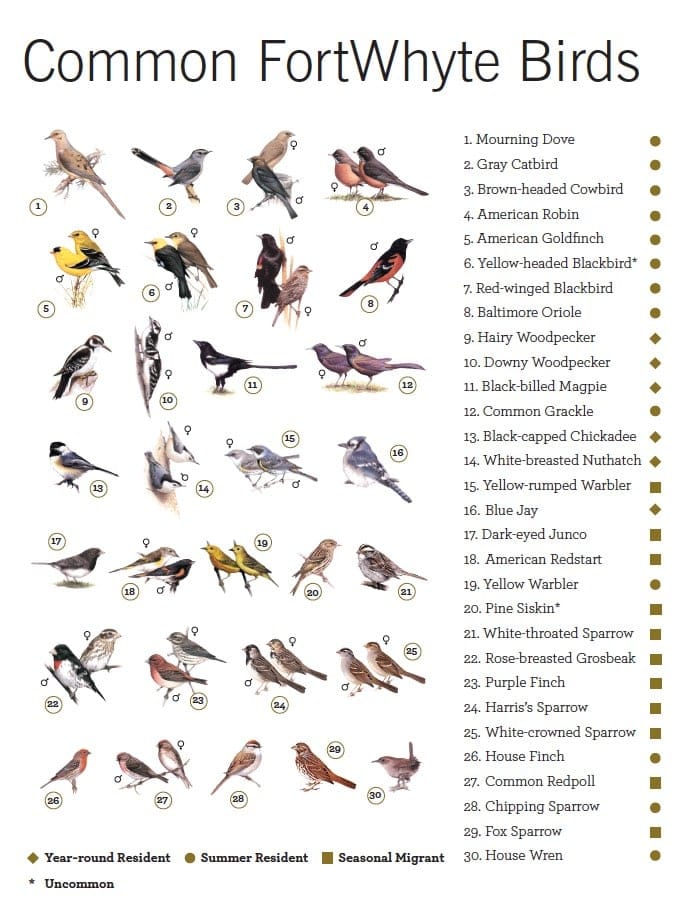
- Check out this guide by Fortwhyte alive on some local birds
- Looking for a physical copy of a Manitoba Bird guide? Check out The Living Prairie Museum’s book list.
- Download the Audubon Bird app to help you identify what you see.
- Learn how to start identifying bird songs from this Audubon blog.
- Learn the 8 ways to identify a bird, from Audubon
- Learn how to identify bird behaviour
This blog was made possible through the generous support of the National Audubon Society. We’re grateful for their partnership, collaboration, and shared commitment to protecting the lands, waters, and wildlife we all cherish.