


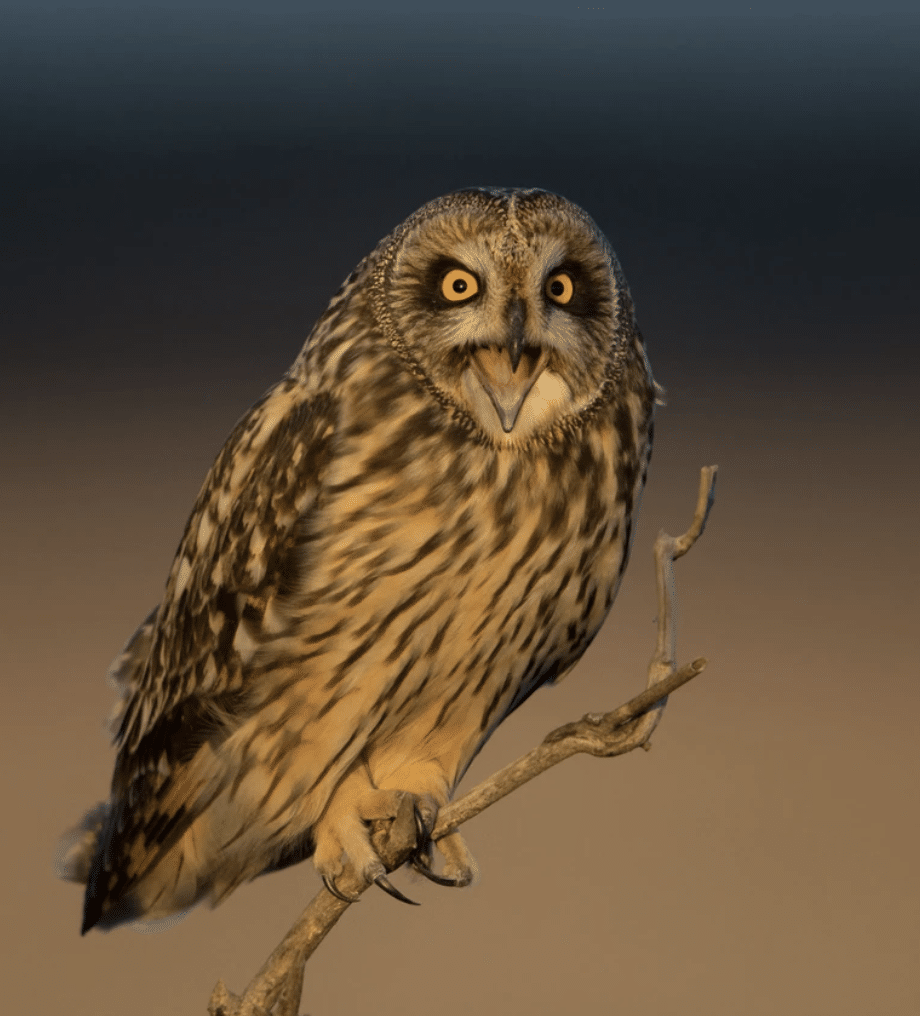
Nature’s Greatest Hits
by Conservation Areas Initiative Team
Ever feel like the forest is full of tiny musicians putting on a private concert just for you? In Manitoba’s Interlake, the birds are always singing—whether they’re showing off, calling for friends, or just really excited about breakfast. Some chirp, some whistle, and some sound like they belong in a video game.
With a little practice and curiosity, you can start recognizing who’s calling from the trees, reeds, or skies—and begin to understand what they’re saying. From warning cries to mating songs, every chirp has meaning. Let’s explore some of the most common—and surprising—bird calls you might hear in the Interlake and how to tell them apart.
How to Identify Bird Sounds
Learning bird sounds might feel overwhelming at first. How do you tell one trill from another? The good news: it’s easier than you think—and there are great tools to help you get started.
Step one: Find some birds! It’s often much easier to learn bird sounds by watching birds as they vocalize. Visual clues—like colour, size, shape, and even the season or location—can go a long way in helping you identify the species and associate it with its sounds.
Keep in mind: birds don’t just make one sound. This is where many beginners get tripped up. A single species may have a wide range of vocalizations, depending on the situation. Here are some common types of bird sounds you might hear:
- Alarm Calls – sharp, urgent, warning others of danger
- Contact Calls – short calls to keep in touch with other birds nearby
- Flight Calls – often given during flight or while migrating
- Begging Calls – high-pitched and repetitive, often chicks asking for food
- Trills/Buzzes/Chirps – varies widely among birds but is used to describe the general communication calls
- Harsh – any rough-sounding call that may be grading on the ear
- Bell-like, flute-like, whistling, or metallic – this is where the musician in you can compare bird sounds to instruments


What do I need to Identify Bird Sounds?
You don’t need fancy gear to enjoy birding, but a few simple tools can enhance the experience:
- Binoculars – Any pair will do. Spotting a bird while it sings helps you connect the sound with the species.
- Field guide or birding app – These help you track which birds are likely to be nearby during different seasons. Some resources include:
- Merlin Bird ID App: Record bird calls and the app will help identify them in seconds.
- Audubon Bird Guide App: A field guide and sound library right in your pocket.
- Manitoba Bird Guides: Local resources are often best for narrowing down species in your area.
- Notebook – Record the sounds you hear, what the bird was doing, and where you spotted it. (Bonus: keep this as your personal nature journal!)
- Camouflage clothing – Optional, but useful for getting closer without startling wildlife. (If you go this route, remember to check local hunting seasons and wear reflective gear as needed.)
Guess the Sound!
Now that you are a professional (or soon to be one), let’s put those birding skills to the test. The answers will be posted at the end of this blog.
Sound 1:
Sound 2:
Sound 3:
Sound 4:
Sound 5:
Sound 6:
Time to Get Birding!
Whether you’re a casual walker, a weekend explorer, or a budding birder, the Interlake has a soundtrack like no other. The more you listen, the more you’ll hear—and the more you’ll appreciate just how vibrant and expressive the natural world can be.
So next time you’re outdoors, take a moment to pause… and ask yourself: What’s that sound?
Sounds above in order:
- Mallard
- Brown-headed cowbird
- American Robin
- Pileated Woodpecker
- Great Blue Heron
- Black-capped Chickadee
**This article was originally shared by our friends at Conservation Areas Initiative**
Learn More:
Read more about the Bird Recorders we set up in FRCN
Read more about common birds in Manitoba
Read more from Audubon: