


Cougar Sightings in Manitoba
By Katie, Digital Marketing Coordinator
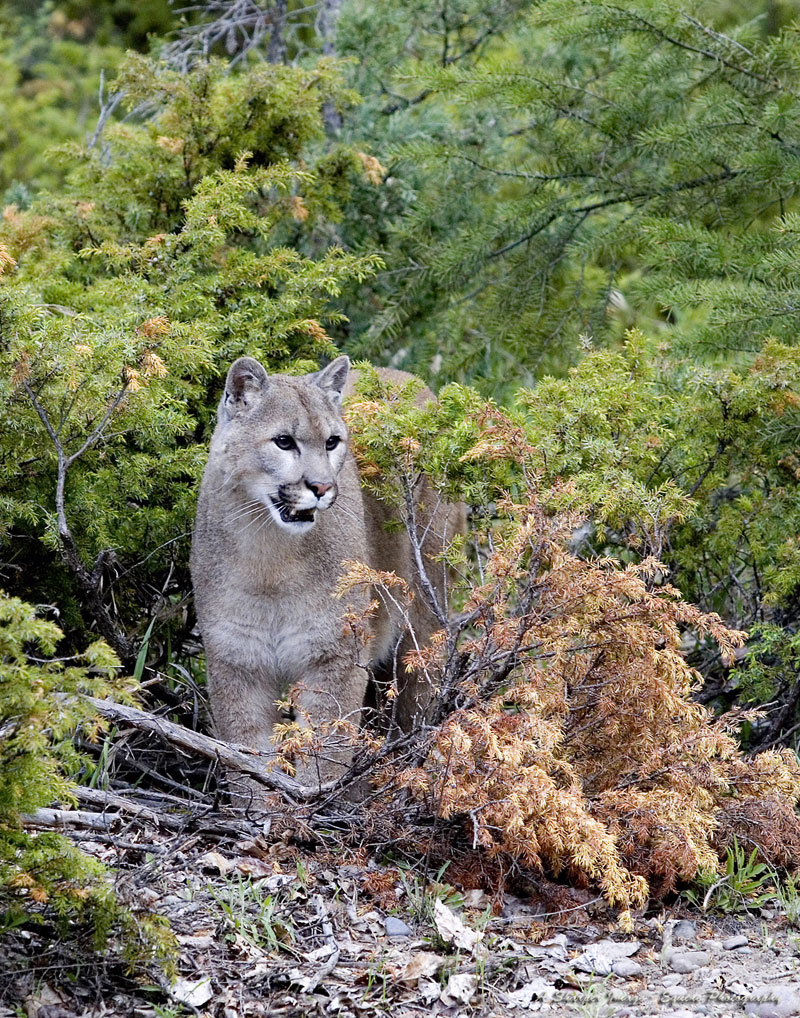
Cougars are here, or did they ever really leave? And their return could signal something big for Manitoba’s future. As sightings rise, we may be witnessing the early steps toward a breeding population re-establishing itself in our province.
But with this excitement comes responsibility. If cougars and the many other species that share their habitat are going to thrive, we need to ensure the landscapes they rely on are protected.
As more people share photos or stories of sightings, it helps to understand who these animals are, and why their return matters.
Manitoba Cougars
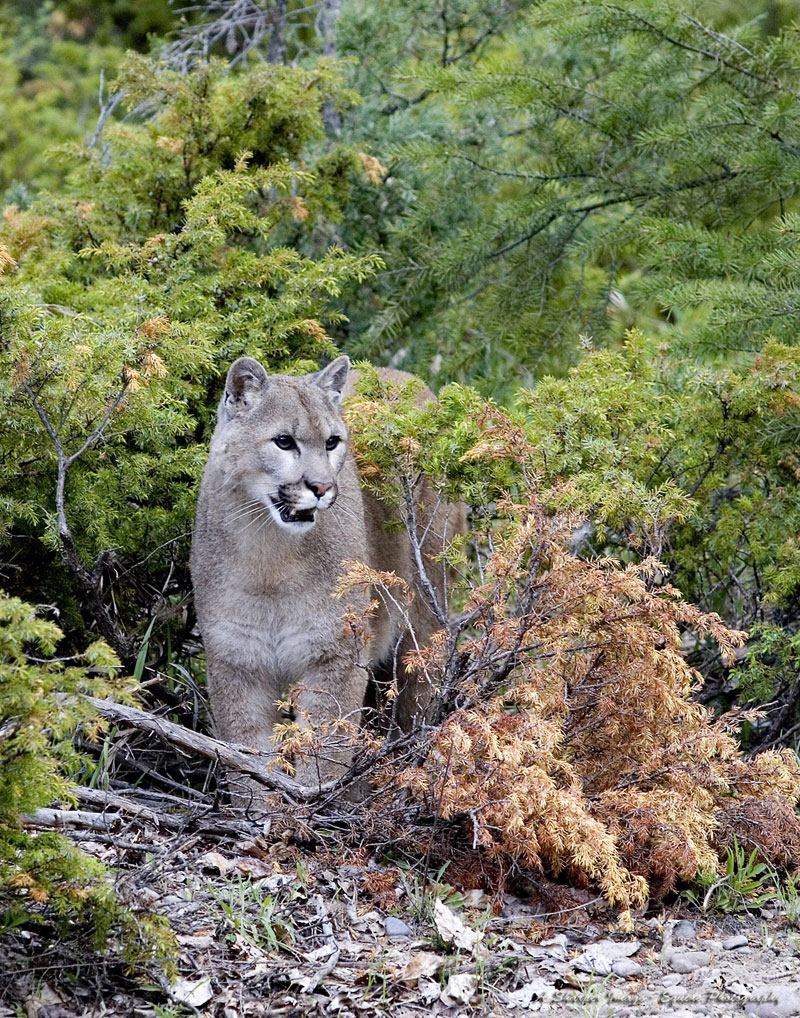
Manitoba is home to three species of wild cats: the bobcat, the Canada lynx, and rarest of all, the cougar. Cougars are extremely elusive and usually avoid people, and they are masters of camouflage.
Fast Facts:
Scientific Name: Puma concolor
Lifespan: 8-13 years
Diet: Deer, elk, moose calfs
Habitat: Forest edges, river valleys, rugged terrain with good cover.
Size: Adult males 71 kg, and females 41 kg.
Language:
Cougars have many names (you’ve probably heard of pumas and mountain lions!), the name cougar coming from the Tupi language of Brazil through the Portuguese Çu-Açu-Rana.
In local language the Cougar is known by “Misipisiw” in Northern Cree, “Pakwaciminôs” and “Misiminôs” in Plains Cree, and “Mishibizhiw” in Ojibwe.
Sightings:
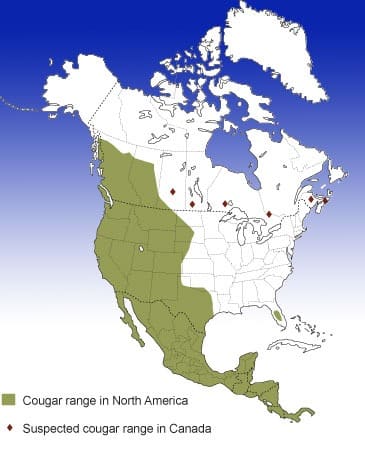
In the 19th century, as the settler population grew, cougar numbers declined. By the early 1900s, they had almost disappeared from Manitoba altogether, with most migrating south to North Dakota. Between 1870 and 1981, just 436 cougar sightings were recorded.
But things have changed. From 2000 to 2025, hundreds of sightings have been reported across the province. This could be due to improved technology with trail cameras to track animals that contributed to an increase in confirmed sightings.
This October, another rare sighting occurred when Danny Alexander spotted a cougar in the Whiteshell. While these appearances are exciting, there is still no known breeding population in Manitoba (basically meaning cougars that stay in a location to give birth to their cubs). Most cougars seen here are believed to be individuals passing through, traveling north from North Dakota.
In recent years, Cougars have been spotted in Brokenhead First Nation as well as Whiteshell, and Duck Mountain provincial parks.

Conservation
Cougars were designated “endangered” in 1978 by the Committee on the Status of Endangered Wildlife in Canada. In 1998 the status changed to “data deficient,” not because the species recovered, but because there wasn’t enough verifiable information about their presence and habitats in eastern Canada. Their elusive nature makes them difficult to study, and confirmed evidence remains sparse.
There is renewed hope that the species will continue to boost throughout Canada and Manitoba if suitable habitat remains available.
Whether cougars are just passing through or beginning to return, they rely on intact, connected landscapes.
Importance of Protected Areas
With home ranges that can span hundreds of kilometres, cougars depend on vast, undisturbed habitats. Protecting these areas isn’t just good for wildlife—it’s key to preventing human–cougar conflicts as sightings increase.
We know that one big protected area connected to a network of large protected areas is much better for animals than several smaller areas. Having continuous habitat allows for safe passage for wildlife, intact food sources and places to rest.
Heavily wooded areas also provide food sources for cougars by being ideal habitat for deer and other herbivores.
Protecting wide-ranging species like cougars isn’t possible without protecting the lands they rely on, which is why Manitoba’s commitment to a Plan for Nature matters.
Plan for Nature
CPAWS Manitoba is calling on the province to accelerate progress on its commendable commitment to protect 30% of our lands and waters by 2030 (30×30). Achieving this target will help to safeguard biodiversity and wildlife habitats.
The Manitoba government committed to producing a 30×30 action plan by Spring 2026. Since January 2024, CPAWS Manitoba has been calling on the province to take action and start building the plan. The province recently released the “Pathway to Net Zero” strategy, which reaffirms its commitment to 30×30 and an action plan.
Reaching that goal requires a real plan. A plan grounded in science, Indigenous leadership and knowledge. A plan that ensures Manitoba’s most ecologically important areas are protected before they’re lost.
We’re looking ahead to the province’s upcoming action plan in spring 2026, which must include the following government commitments:
- Protect 30% of Manitoba’s lands and inland waters by 2030 for future generations.
- Protect Manitoba’s polar bears, caribou, birds, bees and other endangered wildlife.
- Preserve peatlands, wetlands and forests which clean the air we breathe, filter the water we drink, control flooding and fight climate change by storing carbon.
- Support Indigenous-led conservation initiatives in the spirit of reconciliation.
- Complete the protection process for Manitoba’s Areas of Special Interest that were designated as candidates for protection years ago.
Future
It’s time for Manitoba to prioritize the protection of the lands and waters that sustain us and wildlife.
Take action today. Join the over 25 thousand Manitobans that have told the provincial government that we want a Plan for Nature.
Learn More:
Learn in our blog about the action plan for nature.
Read more in the Free Press: Cougar makes rare appearance in Manitoba
Learn more in “Cougars Confirmed in Manitoba,” by Zoologist Bill Watkins.
Manitoba’s Big Cat: The story of the Cougar in Manitoba. By Robert E. Wrigley and Robert W. Nero. 1982.
Read more about Manitoba Cougars from Nature North, Biology of Cougars
Read more about Manitoba Cougars from Nature North, Cougars in Manitoba – Mountain Lions on the Prairies?
Learn the basics of cougars in Hinterland Who’s who.
Manitoba Cougar Sightings
1870 – 1981, they list evidence of 436 sightings.
2024: Duck Mountain
2025: Whiteshell
What to do if you see a Cougar?
- Never approach a cougar
- Stay calm, maintain eye contact
- Pick up small children immediately
- Do not run! Back away slowly, as sudden movements provoke an attack
- Do not turn your back
- Do all you can to appear larger. Do not crouch or hide.
Report a cougar sighting to your local conservation officer.
Read more about Cougar Safety here: Wildlife Smart: Coexisting with Cougars