

My CPAWS Work Placement
By Juliana Thiessen, Communications Student
As a kid I used to jump on my trampoline and watch the farmer in his tractor harvest the canola just meters from our property line. After a busy day playing foreman, I’d retire to my bedroom to stare at my walls lined with animal posters pulled from National Geographic Kids magazines. Since growing up in rural Manitoba I’ve been drawn to animals and nature. Though I was miles away from any open body of water, I felt like a loon.
Walking into the CPAWS Manitoba office resembled the sanctuary of my childhood bedroom. In the quirky office on Corydon Ave there is no wall real estate left untouched by educational wildlife posters. There are 18 posters in just the bathroom. Yes I counted.
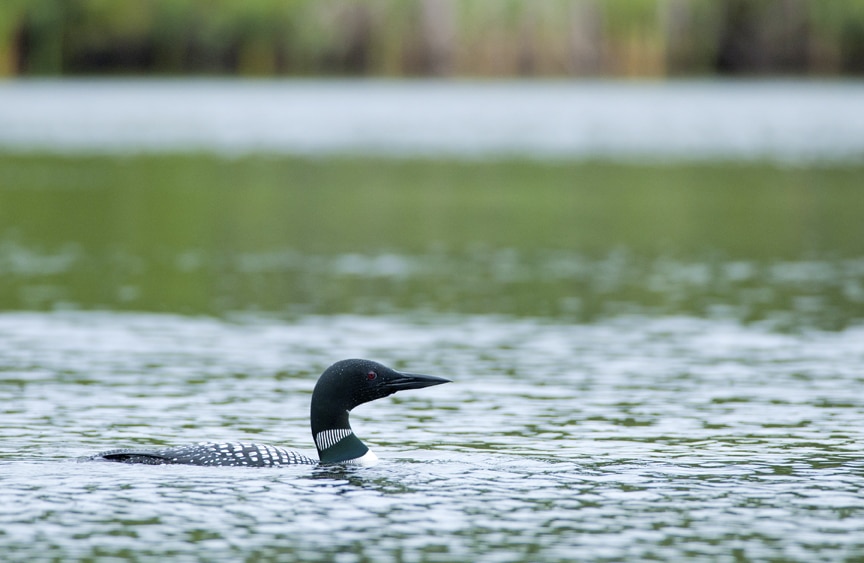
Common loons, known for their tuxedo appearance, are strong, agile divers catching small fish in underwater chases. Migrating loons occasionally land on wet highways or parking lots, mistaking them for bodies of water.
I spent three weeks with the folks at CPAWS Manitoba. In the span of 21 days I smoothed bison fur between my fingers, Googled “waterfowl” 13 times, and learned the difference between the viceroy butterfly and why it’s mistaken for the monarch butterfly. If I had a dollar for every time I heard the word antennae, I’d have five dollars. I couldn’t buy an iced matcha with five dollars but it’s a 500 per cent increase in antennae BC (Before CPAWS).
Some days I felt like one of the plush push-to-listen birds dangling from the ceiling beams—still and observing. It was only my second day, a sunny Tuesday, when I had the privilege of sitting in on the first of many team meetings. Eleven of us formed a tight circle, sitting on folding Ikea chairs with just enough room between us for our knees to breathe.
Loons can become stranded without enough open water to fly away. They need a runway. In order to fly, these birds require anywhere from 30 yards up to a quarter-mile of open water to have enough time to flap their wings, build momentum, and gain enough speed for liftoff. Without adequate space, loons can become trapped or landbound.

I listened as my coworkers passed along what they gleaned from recent visits in community and with Elders. I watched as we all created a space to be vulnerable and get teary-eyed over a powerful moment regarding reconciliation, pain, and bearing witness through discomfort. I’d never felt so open in a room so small. I felt like a loon again.
The people of CPAWS are a body of water—expansive and inviting. Open spaces. That’s where I think the clearest, dream the biggest, and feel the deepest. Whether I knew it or not, all my life I’ve been a loon.
But open waters can only take you so far until you’re bored, bobbing, and getting prunier by the minute in an empty lake. You need people—good people—to thrive.
My time at CPAWS was delightfully memorable because I was in good company. They’re not perfect, don’t get me wrong. They can get a little restless from time to time, but I definitely joined in the mid-day squat counts and quacked my share of New Girl references.
In three weeks, between the copywriting and social media planning, I met two coworkers’ cats, learned the difference between Audubon and Autobahn, and got elbow deep in the benefits of peat moss when creating an infographic. Turns out peat moss is, like, super important.
Their ability to commit to the bit, “yes and,” and consider each person, community, and relationship impacted by their work made this role fulfilling.
As it turns out, you can find your open spaces anywhere. In a canola field, on a nature hike, in a kayak, or in a quirky Parks And Recreation-esque office in Winnipeg.
CPAWS Manitoba was on the top of my list for co-op work placement list with RRC Polytech’s Creative Communications program, and have set a high standard for my second work placement in the spring.
The hands-on experience of strategic communications within a non-profit is rewarding. Doing that alongside CPAWS folks is irreplaceable. I like to think CPAWS might extend a space for me to rest my wings sometime in the future. Until then I’ll be keeping my webbed-fingers crossed!
Juliana Thiessen joined the CPAWS Manitoba team as a work placement student from Red River Polytechnics Creative Communications program. For three weeks, she helped our team create strategies, social content, events, copy, and so much more.