
April 4, 2026
By Juliana, Social Media and Content Assistant
Spring has always been a season of change, longer days, warmer sunshine, and fresh buds appearing on trees. But in recent years, the changes we’re seeing go far beyond the usual shift in seasons.
Temperatures are rising earlier and earlier in the year, frost days are becoming less predictable, and animals are emerging from hibernation earlier than they should. At this rate, “April showers bring May flowers” could start to feel more like “February fog brings March muck.”
Climate change is rapidly reshaping our world, especially the biodiversity of our province. From shifting growing seasons to disrupted wildlife patterns, here’s a closer look at some of the changes already underway.
WILDLIFE:
Birds disrupted during migration season
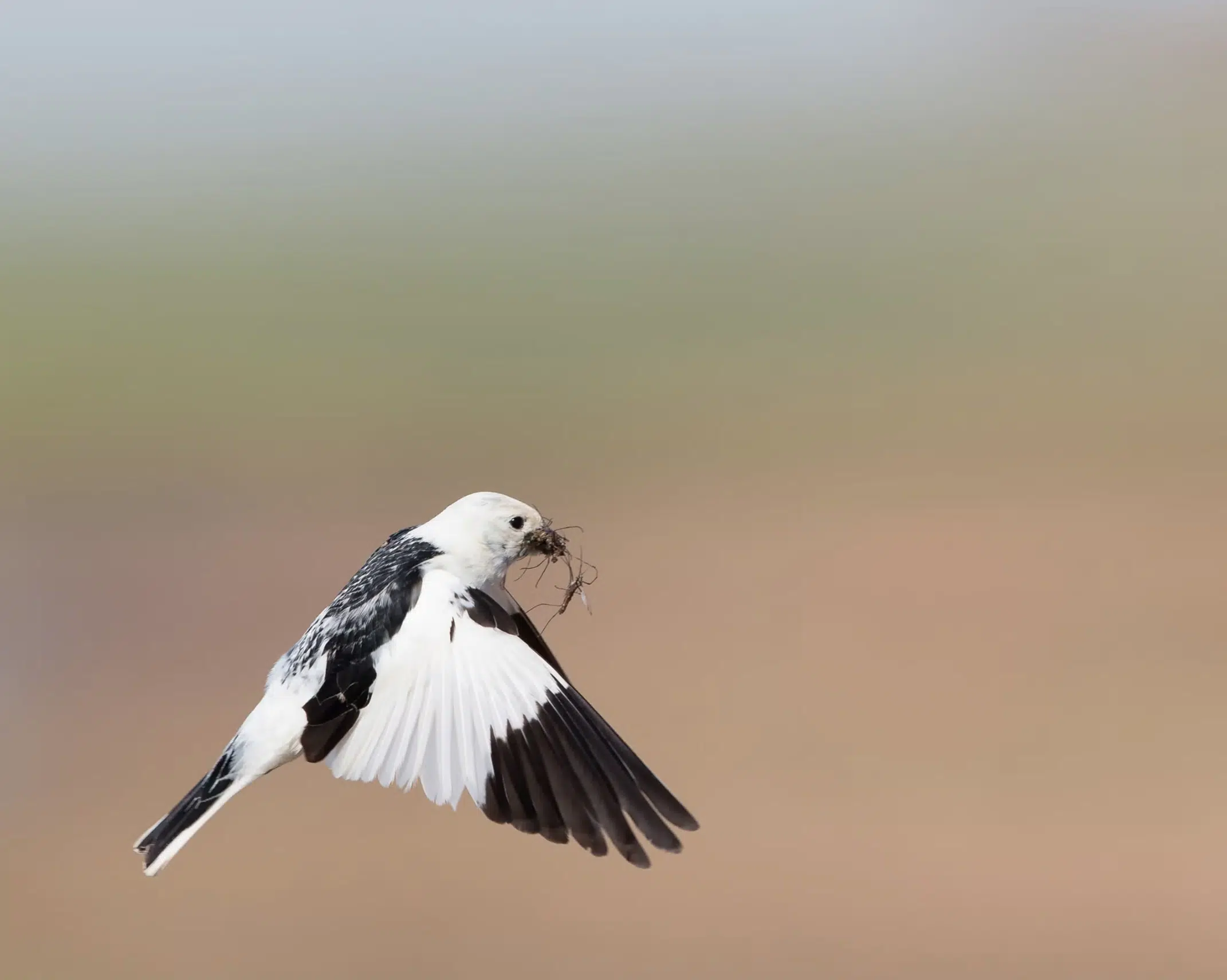
Canada Geese and other migratory birds and waterfowl that follow snowmelt lines are arriving earlier than normal. Shifting migratory times means some birds are showing up too early, or even too late, for their food sources.
Polar bears disturbed hunting patterns
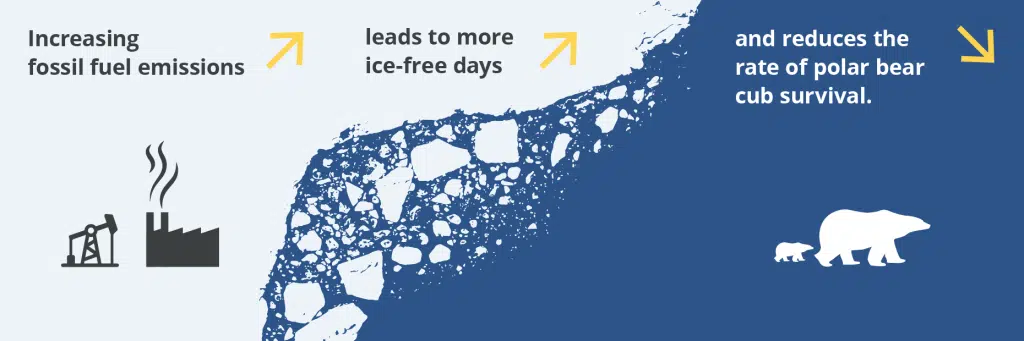
Increasing fossil fuel emissions are linked to the increase of ice-free days in the Arctic. Polar bears rely on sea ice to hunt, breed, roam, and raise their cubs. The melting ice in Hudson Bay means polar bears have fewer days for finding food, specifically seals, causing a rapid decline in population due to the reduced rate of polar bear cub survival.
Fish affected by changing sea ice
Manitoba’s north is home to some of the world’s largest fisheries. This change in ice thickness and predictability disrupts fish species, specifically for Arctic cod. Arctic cod eat phytoplankton. Less sea ice means less phytoplankton for Arctic cod, and also narwhal and beluga whales.
Mosquitos multiplied through warm temperatures
Warmer, longer summers means more mosquitos. Warm, moist springs are the perfect breeding ground for hatching greater numbers of those pesky biters. These changing temperature conditions also means Manitoba’s forest pest species like forest tent caterpillars have greater lifespans, and ticks’ habitats expanding.
PLANTS:
Native flowers mismatched bloom time
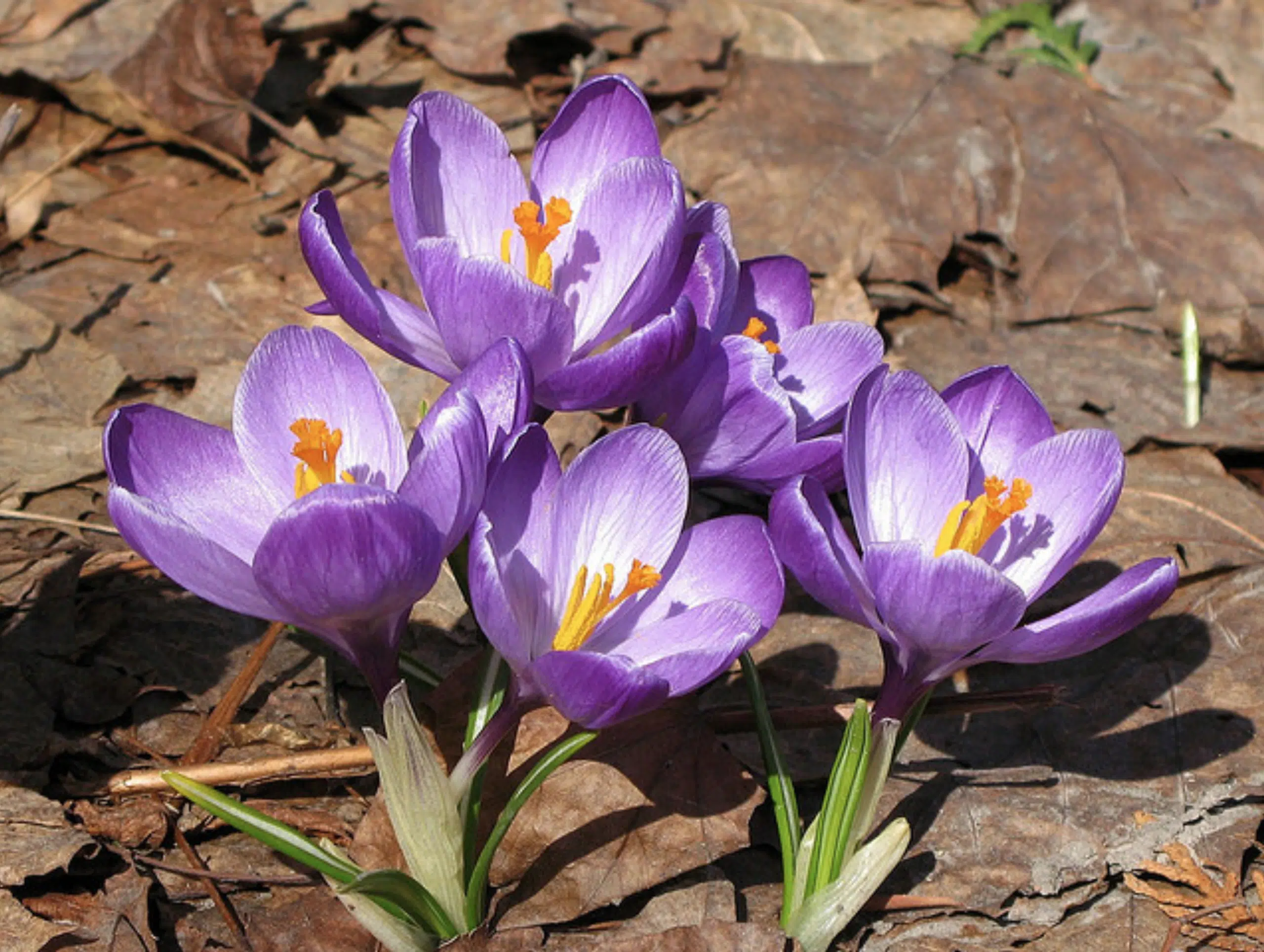
Plants like Golden Alexander and Prairie Crocus are Manitoba’s first signs of spring. When these plants bloom ahead of schedule, the pollinators that depend on them as their first source of food after hibernation, might be too late. Our local changing climate brings warm temperatures too early, and then a crazy snow storm a moment later. The budding plants that had started growing are then hit with harsh weather, increasing the struggle for them to survive.
WATER:
Algal blooms in Lake Winnipeg
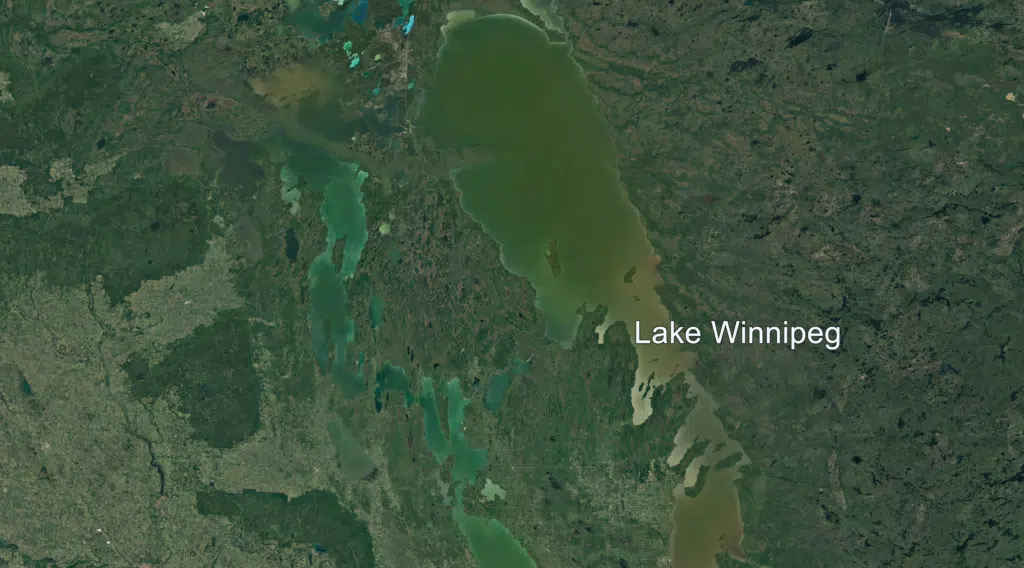
As the summer season gets longer and hotter due to climate change, many people flock to Lake Winnipeg, one of Canada’s largest lakes, to cool off from the heat. But hotter summers and changing rainfall creates favourable conditions for green algal blooms to grow in the water. Algal blooms are a form of bacteria, and can produce harmful toxins to our health from skin contact or from accidentally swallowing these waterborne bacteria. Experts, Indigenous communities, and residents in the Lake Winnipeg area are all too familiar with the impacts of algal blooms on health.
WEATHER:
State of emergency wildfires in Manitoba
When you mix limited rain in the Spring and abnormal heat waves in May, you create the right environment for wildfires. Last year, the province declared a state of emergency due to the intensity of wildfires across Manitoba, especially in the north.
Manitoba’s forests, especially the boreal forests. help reduce the levels of greenhouse gases in the air, and that’s what makes them such a vital part of the climate change solution. But without the forests ability to regrow after a wildfire as normal, and with shorter fire cycle, Manitoba’s forests can’t return to their baseline normal state. This means these forests won’t be able to store the same amount of carbon as they used to.
THE REALITY OF MANITOBA’S FUTURE
The next few years are critical for Manitoba’s future. You can explore how climate change will impact your community with Prairie Climate Centre’s interactive climate change map here.
CPAWS Manitoba, along with 25 other organizations, called on the provincial government to invest in reducing emissions and protecting a healthy environment. We asked for investment towards initiatives to protect 30% of Manitoba’s lands and waters by 2030, in partnership with Indigenous communities to slow climate change and secure ecosystems for people and wildlife.
As it stands, there’s no clear plan for supporting Indigenous-led conservation, expanding government capacity, or delivering long-term investments.
CPAWS Manitoba is working hard by continuing to build public support, partnering with Indigenous communities, and working closely with the provincial and federal governments to secure funding and political backing to protect our environment against climate change.
HOW CAN I PROTECT NATURE?
If you are passionate about stopping the effects of climate change, protecting wildlife, or simply curious about what CPAWS Manitoba is doing, this is a chance for you to get involved in important environmental change.
Let’s work together to protect Manitoba’s land and waters. You can take action here.
—
LEARN MORE:
Sources:
Learn more about about the science of climate change from the Prairie Climate Centre
This blog was made possible through the generous support of the National Audubon Society. We’re grateful for their partnership, collaboration, and shared commitment to protecting the lands, waters, and wildlife we all cherish.