
March 6, 2026
Migratory Birds of the Hudson Bay Lowlands
Snowbirds are on their way home soon. No, not your friends who escaped to a sunny resort this winter, we mean Manitoba’s migratory birds! As the days grow longer and temperatures begin to climb, you will begin to see the thousands of birds make their way home every spring.
Curious about which birds are returning to Manitoba and how to spot them? Read on to learn more about the migratory birds returning to the Hudson Bay Lowlands and what makes spring one of the most exciting seasons for birdwatching.
Lowlands Habitat
The Hudson Bay Lowlands are one of the world’s largest intact wetlands, a place where Cree, Inuit, and Dene Peoples have lived, travelled, and cared for the land since time immemorial. Spanning over 67,000 square kilometres in northern Manitoba, this region sustains vibrant cultures, traditional practices, and deep relationships with the land and waters and is also home to the proposed Kitaskeenan Indigenous Protected Area. The Hudson Bay Lowlands in Manitoba is a vital habitat for 250 bird species throughout the year. Every spring, millions of birds return to the area, and 131 species breed in the area. These birds rely on the health of the region-the untouched weltlands, and food resources.
Birds Coming Home
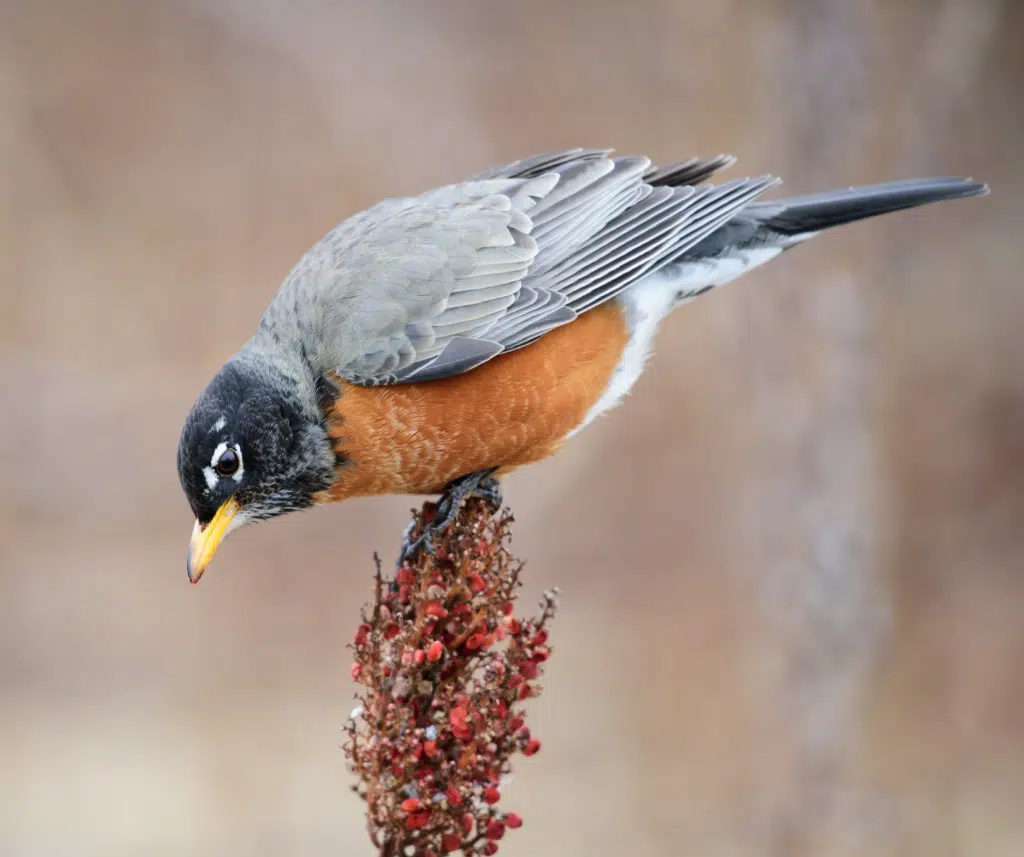
American Robin (“Pihpihchew” in Cree)
An easy to spot species, whether you’re in the wilderness, or looking at your window bird feeder. The American Robin is a very common bird in Canada.
Fast Facts:
- Scientific name: Turdus migratorius
- Song: “cheer-up”
- Diet: Berries, insects, and worms
- Habitat: Shorelines, Grasslands, Forests, and Wetlands
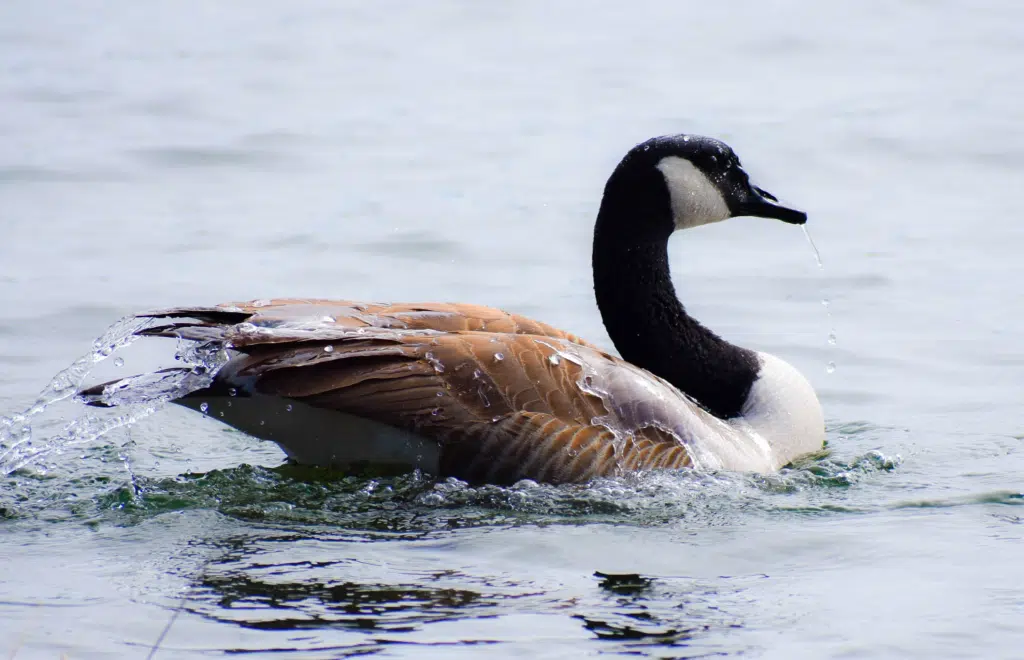
Canada Goose (“Niska” in Cree)
The Canada goose is a familiar sight (and an iconic symbol) across Manitoba, especially in the lowlands. After nesting, many geese from southern Manitoba travel north to Hudson Bay to complete their annual flight feather molt, a period lasting about four to six weeks when they are unable to fly. Each spring, northern communities also take part in the traditional spring goose hunt, the goose is an important and valued food source for many families and communities.
Fast Facts:
- Scientific name: Branta canadessis
- Song: Honk and bark sounds
- Diet: Grass, and berries
- Habitat: Area near waters, like shorelines, wetlands, lakes, ponds, and rivers, as well as tundra and boreal habitats.
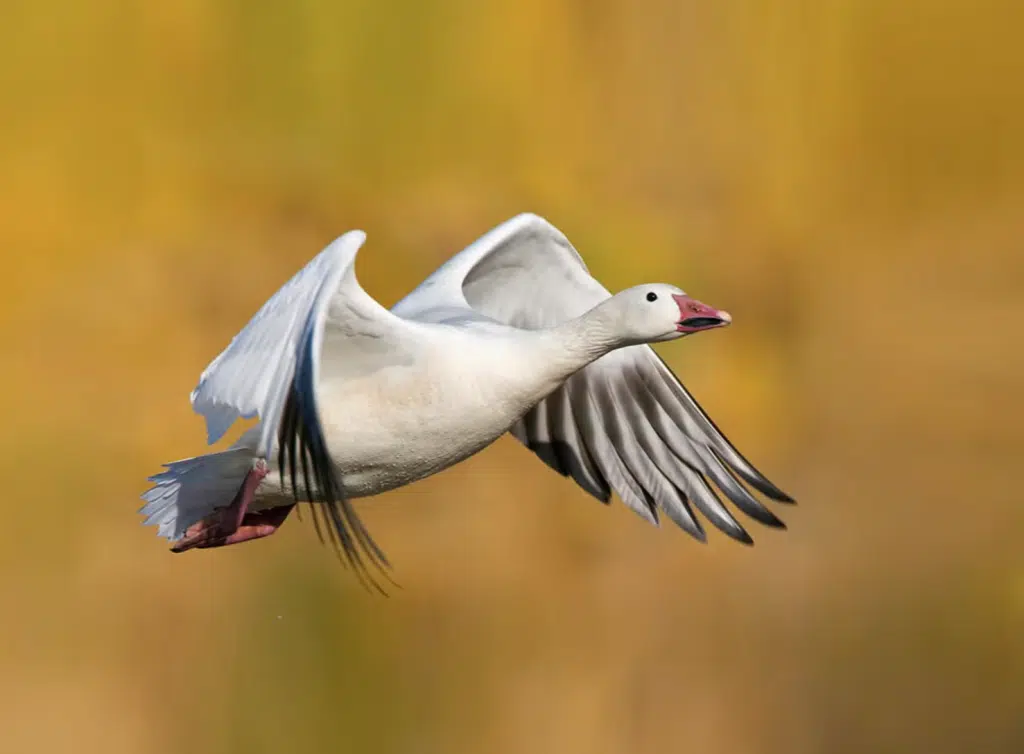
Snow Goose (“Waywao” in Cree)
The Snow goose is one of Manitoba’s most impressive migratory birds, travelling thousands of kilometres each year between its wintering and breeding grounds. During migration, large flocks pass through Manitoba, where they are most often seen in the Hudson Bay Lowlands. These vast wetlands provide important resting and feeding areas during their breeding season.
Fast Facts:
- Scientific name: Anser caerrulesens
- Song: Nasal honk
- Diet: Grasses, seeds, and roots
- Habitat: Arctic lakes and ponds
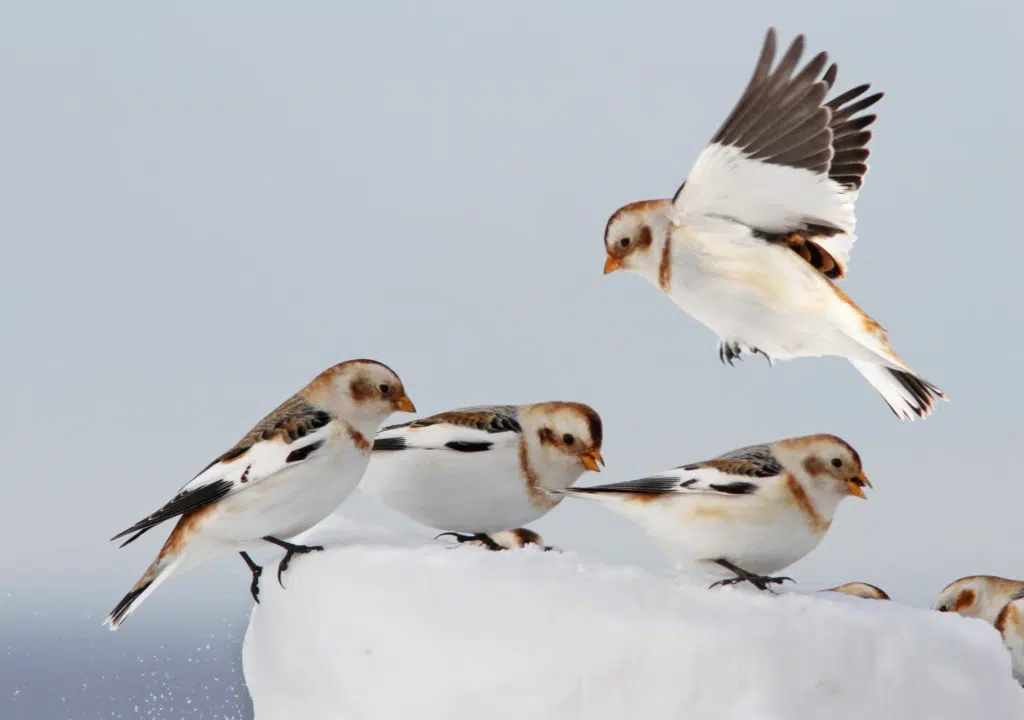
Snow Bunting (“Wapunukosees”)
Snow buntings are winter birds, they spend winter in southern Canada, and in their breeding season head north, landing in the Manitoba lowlands and Nunavut.
Fast Facts:
- Scientific name: Plectrophenax nivalis
- Song: Sweet whistle
- Diet: Seeds and insects
- Habitat: Arctic tundra
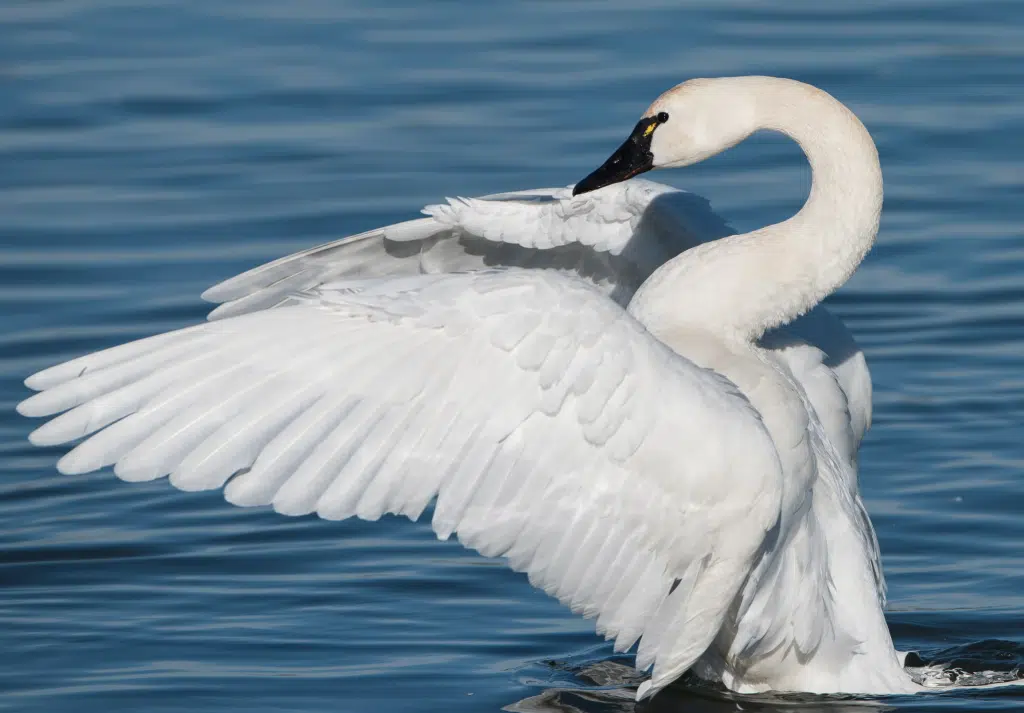
Tundra Swan (Wapisew)
Favouring tundra and arctic habitats, in breeding season Tundra swans head to the coast of Hudson Bay, in Manitoba, Ontario, and Nunavut. Local communities hunt Tundra swans meat and eggs, they provide a valuable food source in traditional diets.
Fast Facts:
- Scientific name: Cygnus columbianus
- Song: Bugling and croaky “oo-uu-oo”
- Diet: Aquatic vegetation, algae
- Habitat: Arctic lakes and ponds
Conclusion
As these snowbirds return home, they remind us just how important the Hudson Bay Lowlands are—not only for birds, but for the ecosystems and communities that depend on them. Protecting landscape helps ensure that migratory birds continue to find safe places to rest, breed, and raise their young for generations to come.
Kitaskeenan Protected Area
Today, five Nayhenaway Ininisewinuk (Cree) Nations are leading the Kitaskeenan Kaweekanawaynitamuk Indigenous Protected Area project to safeguard these lands and waters for the future, honouring culture, protecting wildlife, and keeping traditions alive.
Efforts like the proposed Kitaskeenan Indigenous Protected Area are an important step toward safeguarding this habitat while supporting Indigenous leadership and stewardship.
So as you start to hear honks, whistles, and songs overhead this spring, take a moment to look up—you might just spot one of Manitoba’s snowbirds returning home.
Learn More:
Learn more and sign a postcard to help support their work to protect the Hudson Bay Lowlands and the wildlife and people that depend on it.
Read our report, “Birds of Manitoba: Hudson Bay lowlands”
For more information on birds, visit the Audubon website.
This blog was made possible through the generous support of the National Audubon Society. We’re grateful for their partnership, collaboration, and shared commitment to protecting the lands, waters, and wildlife we all cherish.