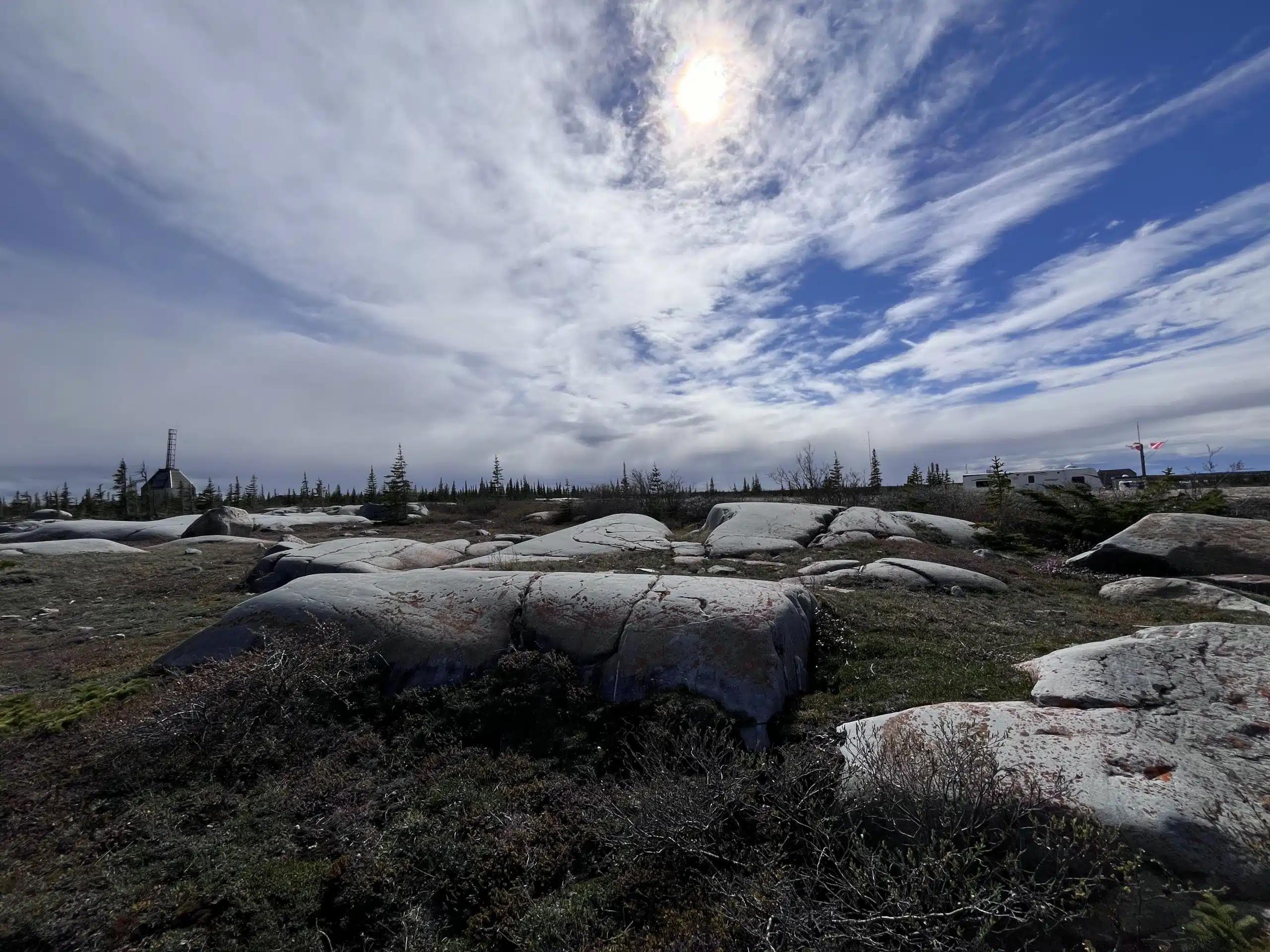
Help Protect Hudson Bay
This remarkable region is home to a third of the world's beluga whales and is an important home for polar bears, birds and people. But climate change and industrial pressures mean that daily life is changing quickly.
Hudson Bay is losing ice faster than most parts of the Arctic, meaning less time for polar bears to hunt for critical food supplies due to more open water days per year. Local and international powers are eyeing the arctic for potential shipping and trade routes.
More ships in the bay is a future that’s just around the corner, bringing an increase in pollution, disturbing underwater noise and animal-vehicle collisions.
But this doesn’t have to be the case.
Manitoba can strengthen its economy and revitalize Churchill’s port without sacrificing its natural treasures or iconic landscapes.
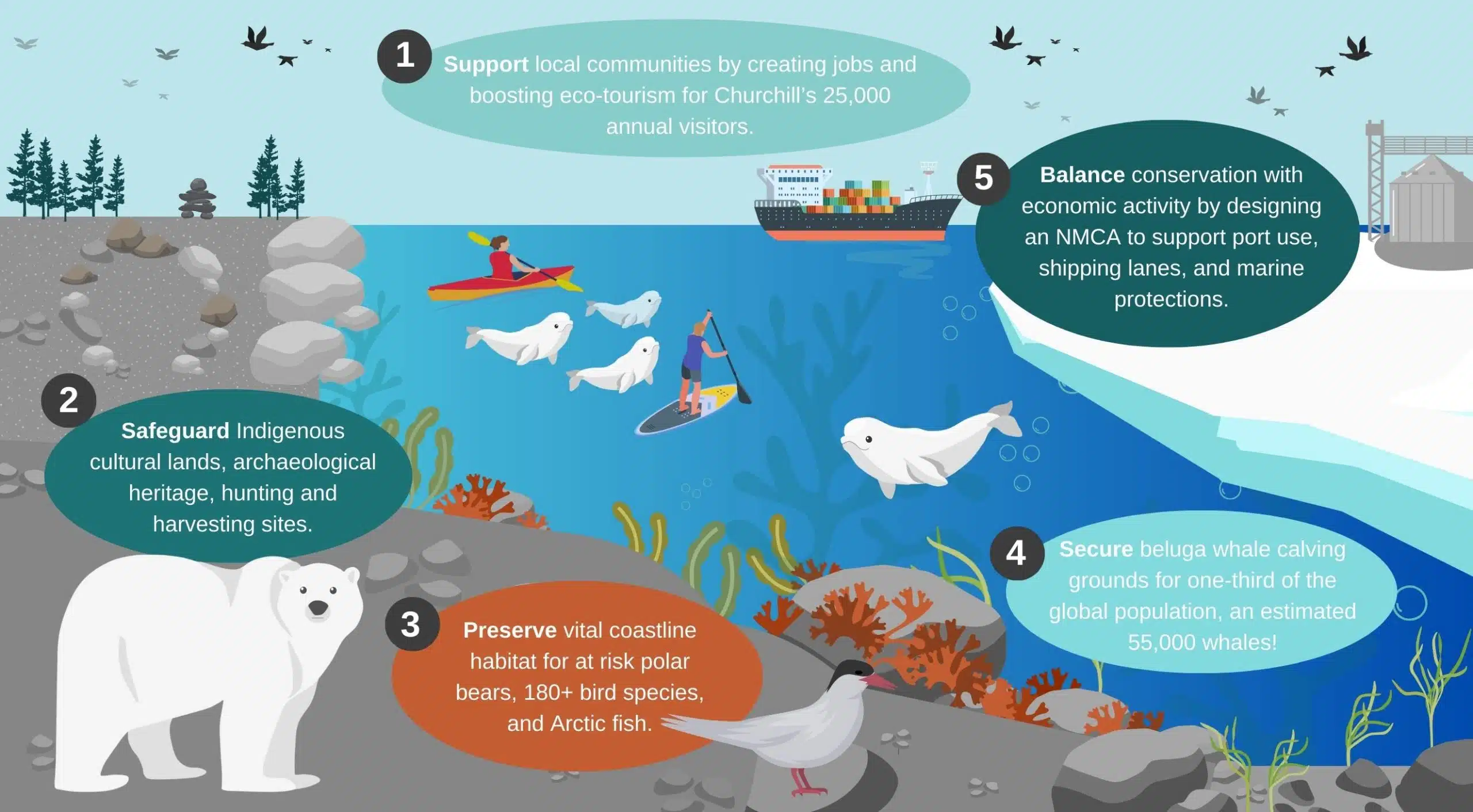
Parks Canada has identified Western Hudson Bay as an area that could be protected as a National Marine Conservation Area. This designation could help maintain and enhance local livelihoods, bolster the region's tourism industry, create new jobs and bring infrastructure investments while maintaining safe, clean habitat for bears, belugas and birds.
Lets protect Canada’s great inland sea - for wildlife, people, and future generations.
Help protect Hudson Bay! Tell Minister Dabrusin to work with the town of Churchill and local Indigenous Nations to explore making the Western Hudson Bay NMCA a reality.
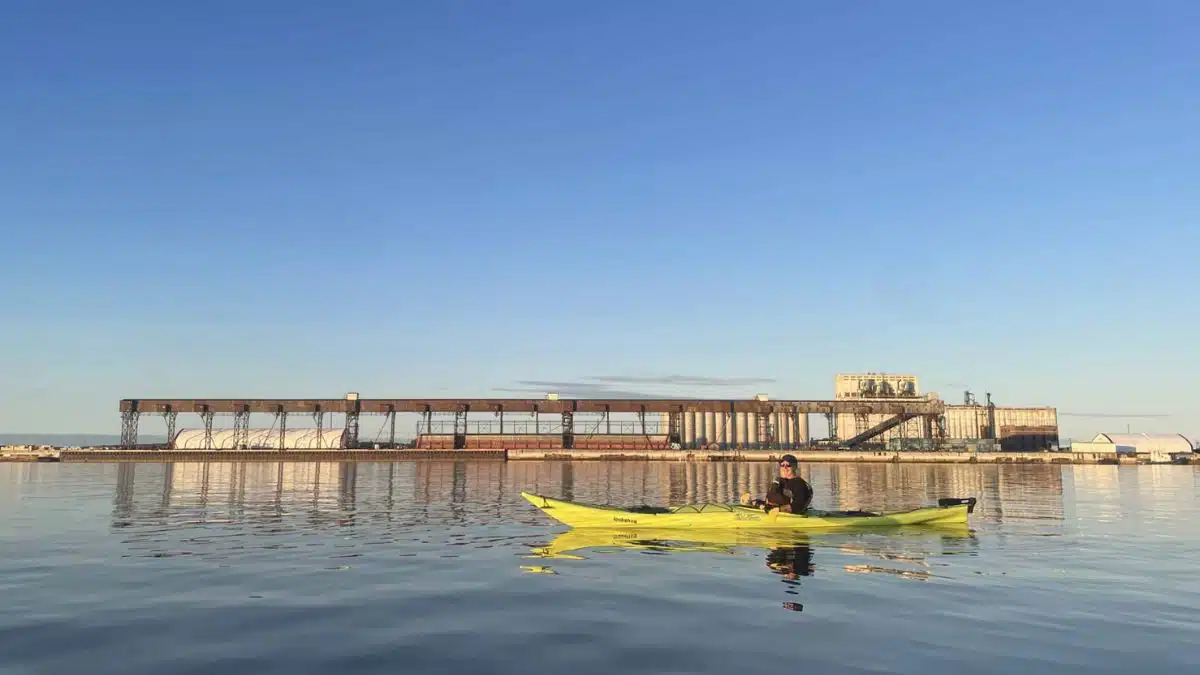
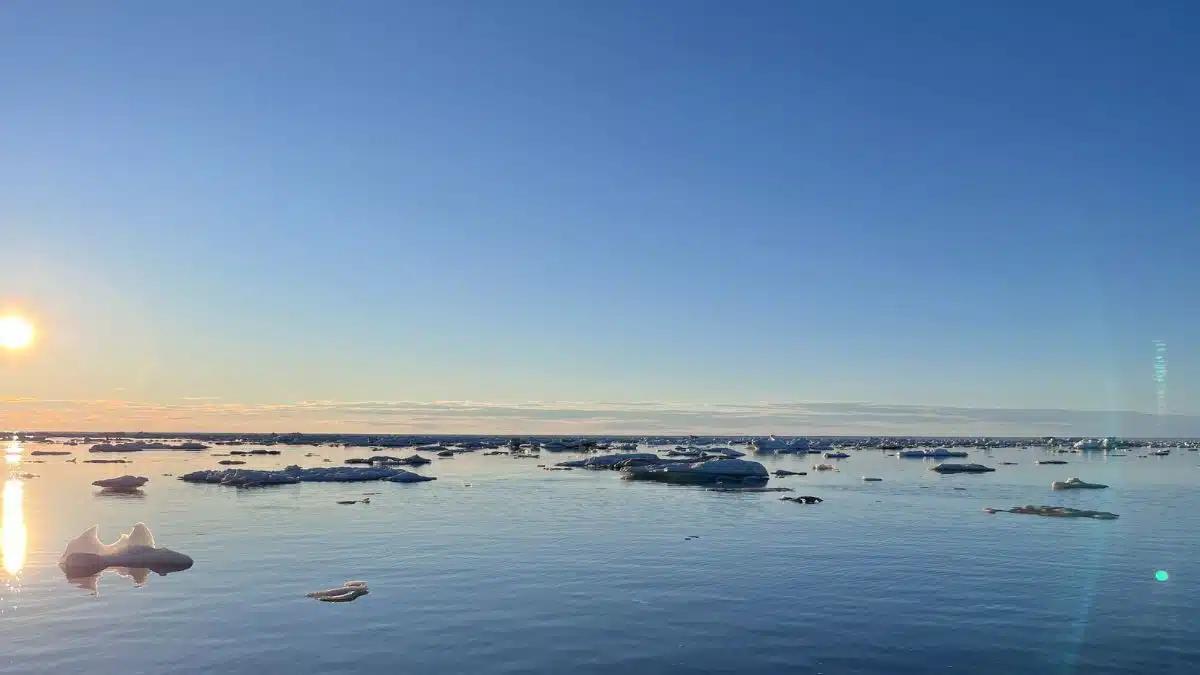

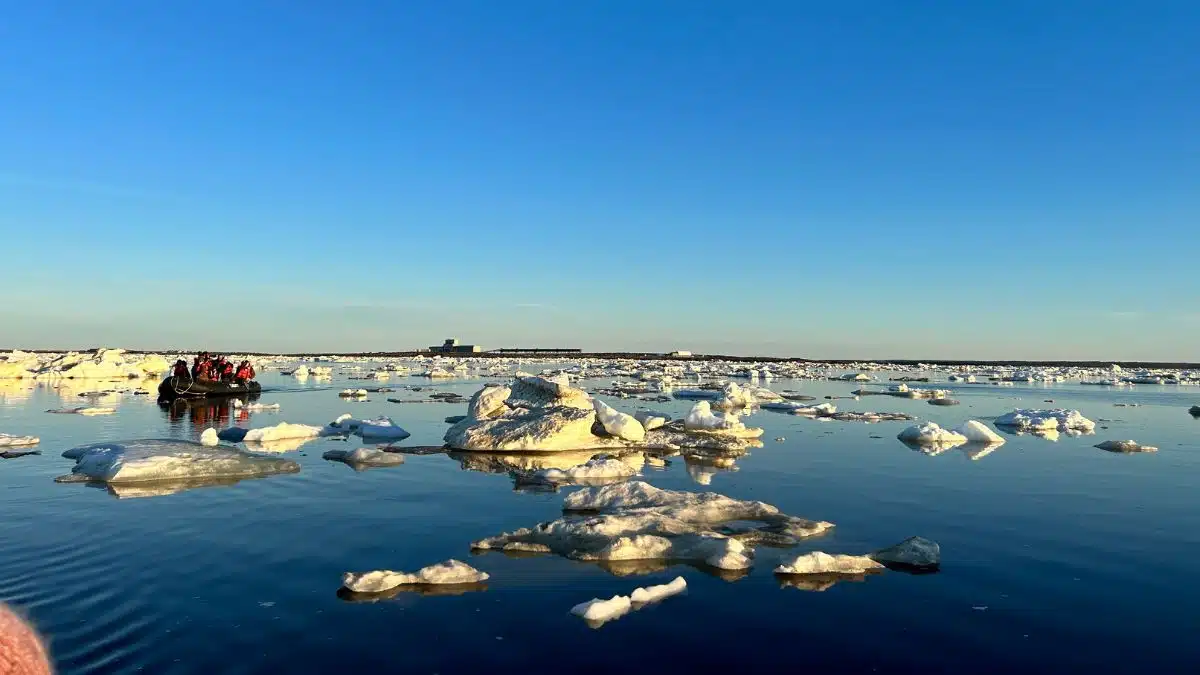
The Bay
Big Water, Big Responsibility, Big Future
Hudson Bay—local names for it include Kangiqsualuk ilua, Kischekumee, and Tasiujaqiuaqmiut —is one of the most ecologically and culturally significant marine regions in Canada. It lies at the end of a massive vast drainage basin that stretches from the Rocky Mountains in the west to Lake of the Woods in the east and as far south as Fargo, North Dakota. These waters flow into Lake Winnipeg, travel north through the Nelson River, and eventually empty into Hudson Bay.
This great inland sea is:
- Home to the largest concentration of beluga whales in Canada, with about 55,000 belugas migrating to the Churchill, Nelson, and Seal rivers each summer to moult, calve, feed, and seek protection from predators. This is one-third of the global population.
- Habitat for hundreds of polar bears that roam its ice-covered shoreline for most of the year, hunting seals.
- A vital nesting area for over 170 bird species along its rocky coast.
- Important lands, waters and ice for the Inuit, Dene, Cree, and Métis peoples.
- An ecotourism hotspot and economic lifeline for northern communities.
Check out this Oceans North report and video below to learn more about why protecting this region is critical for biodiversity and local communities.
An Uncertain Future
Hudson Bay’s future is at risk.
Melting sea ice is reshaping ecosystems. Longer ice-free periods create vulnerabilities for wildlife, including:
-Increased ship traffic → more noise and collisions.
-Oil and gas exploration.
-Other new industrial developments.
If we don’t plan ahead, we risk losing the species, ecosystems, and ways of life that depend on Western Hudson Bay.
A proposed National Marine Conservation Area (NMCA) is the leading candidate to protect this vital region — supporting wildlife, healthy ecosystems, and local communities for generations to come.
Marine Conservation
What is a National Marine Conservation Area?
Canada has an opportunity to safeguard Hudson Bay through the creation of a National Marine Conservation Area (NMCA) in Western Hudson Bay. Parks Canada has identified this area as a priority for marine protection because of its unique southern arctic ecosystem with Canada’s largest concentration of beluga whales.
National Marine Conservation Area Quick Facts:
-Protects marine ecosystems while supporting sustainable use.-Creates jobs in eco-tourism, conservation, and research.
-Could prohibit waste disposal, bottom trawling, oil extraction, and mining exploration.
-Protects large areas of important marine habitats for iconic species (final boundaries decided through community and stakeholder consultations).
What’s Next? A Feasibility Study
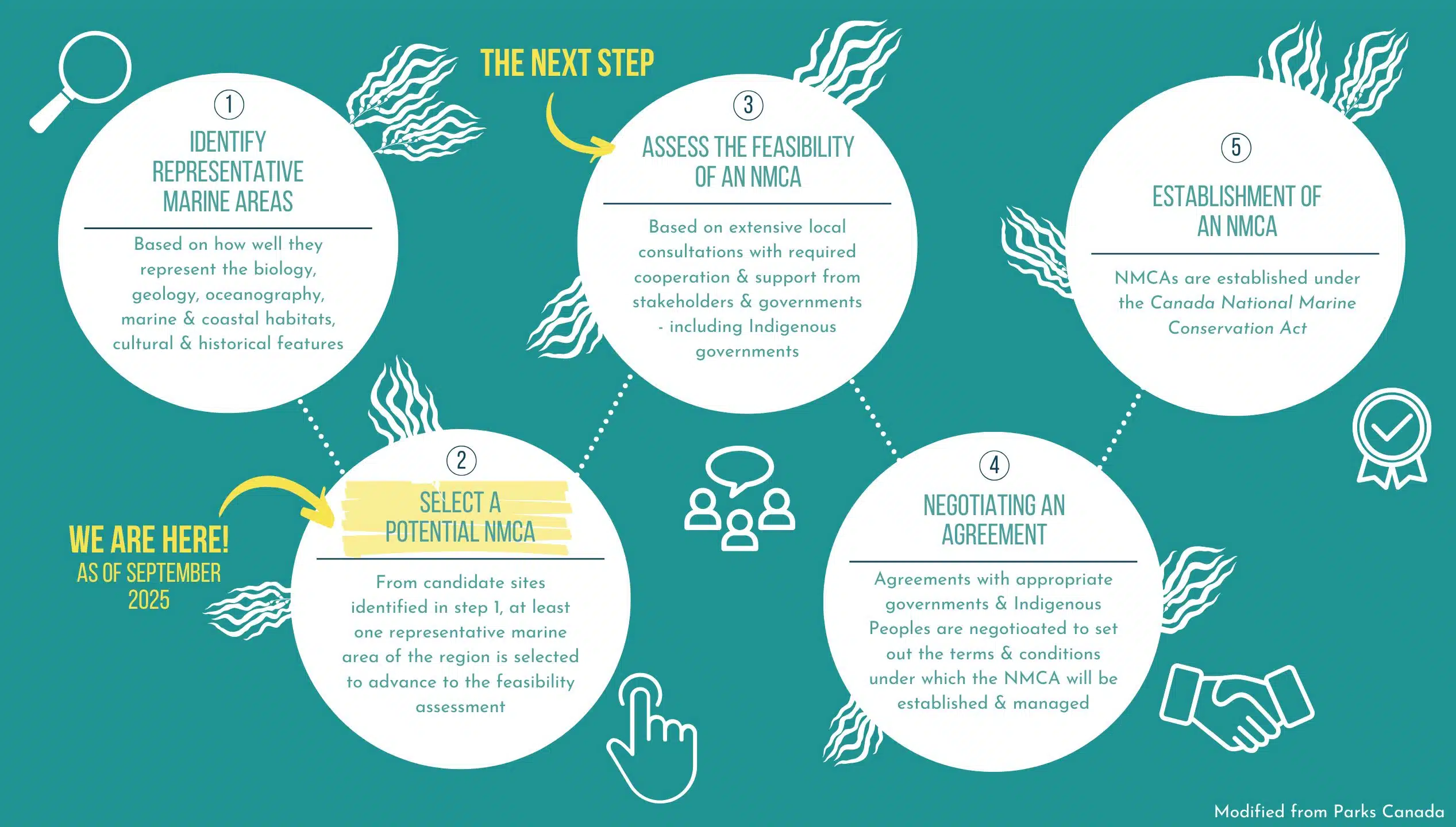
Before a National Marine Conservation Area can be created, Parks Canada must determine whether protection is both feasible and desirable, in other words: is it going to be successful and is it wanted?
This involves a comprehensive feasibility assessment in collaboration with:
-Indigenous rights holders and partners
-Local communities and stakeholders
-The provincial government
-Federal departments and agencies
It will examine:
-Impacts on biodiversity and endangered species
-Cultural and ecological significance
-Opportunities for sustainable development and education
-Indigenous collaborative governance and stewardship
-Connectivity with other protected areas
-If the area is deemed suitable, negotiations begin to officially establish the NMCA.
Where are we Now?
There are several other National Marine Conservation Areas in development, such as those in the high Arctic and the St. Lawrence Estuary, that balance conservation with community benefits.
It’s time to bring that same vision to Hudson Bay.
Resources and FAQ
About CPAWS’ Marine Conservation Work
CPAWS has been a national leader in marine protection for over 20 years. We work alongside Indigenous partners and local communities to advocate for stronger, better-connected marine protected areas that respect cultural values and protect ecosystems.
Canada has committed to protecting 30% of its ocean by 2030. CPAWS is advocating for even more—because we know at least 50% of the ocean should be protected to ensure long-term resilience in the face of climate change.
Learn more about our national ocean protection work here.
Frequently Asked Questions
Further Reading
Related Articles
Balance & Coexisting in Churchill
Connection to the Coast