


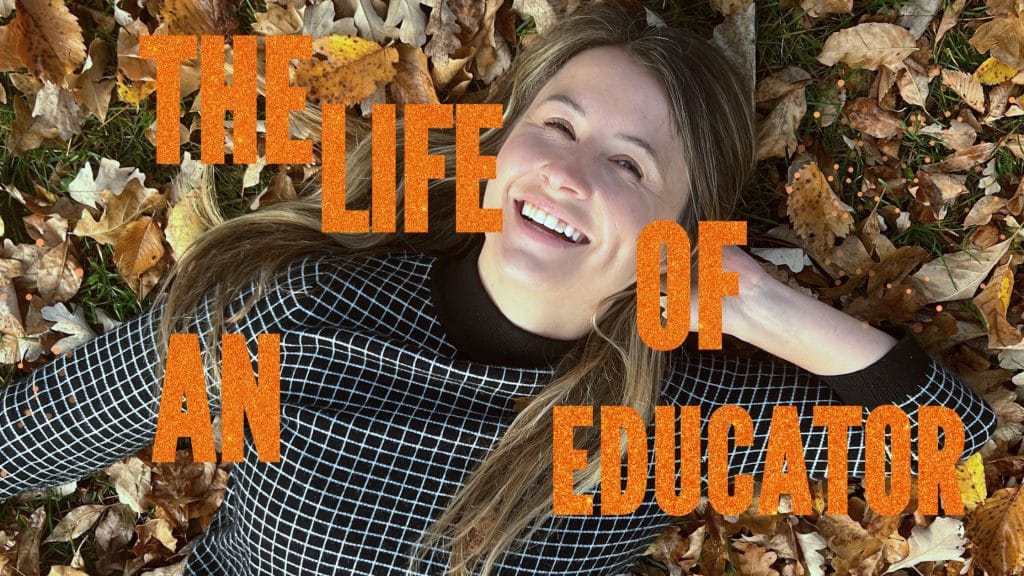
Join us in Celebrating World Teacher Day!
By Carly, Environmental Education Manager
This Sunday, for World Teacher Day, we’re shining a spotlight on The Life of an Educator at CPAWS Manitoba. Discover what makes our education team extraordinary.
At CPAWS Manitoba, our education team is all about sparking curiosity, inspiring learning, and supporting reconciliation. You might be wondering, “But what does Taylor Swift have to do with that?” Sure, Taylor can teach us about being a showgirl—but when it comes to the power of nature, she can’t compete with the sparkle of the stars above or the light in a child’s eye.
At the centre of it all is Carly, the dynamic leader of our Outdoor Education Program. Her vibrant passion for nature and learning infuses every school program, workshop, and field trip. Under her guidance, thousands of children and adults across Manitoba have discovered the thrill of spotting a rare bird, the calm of a forest walk, and the power of protecting what we love.
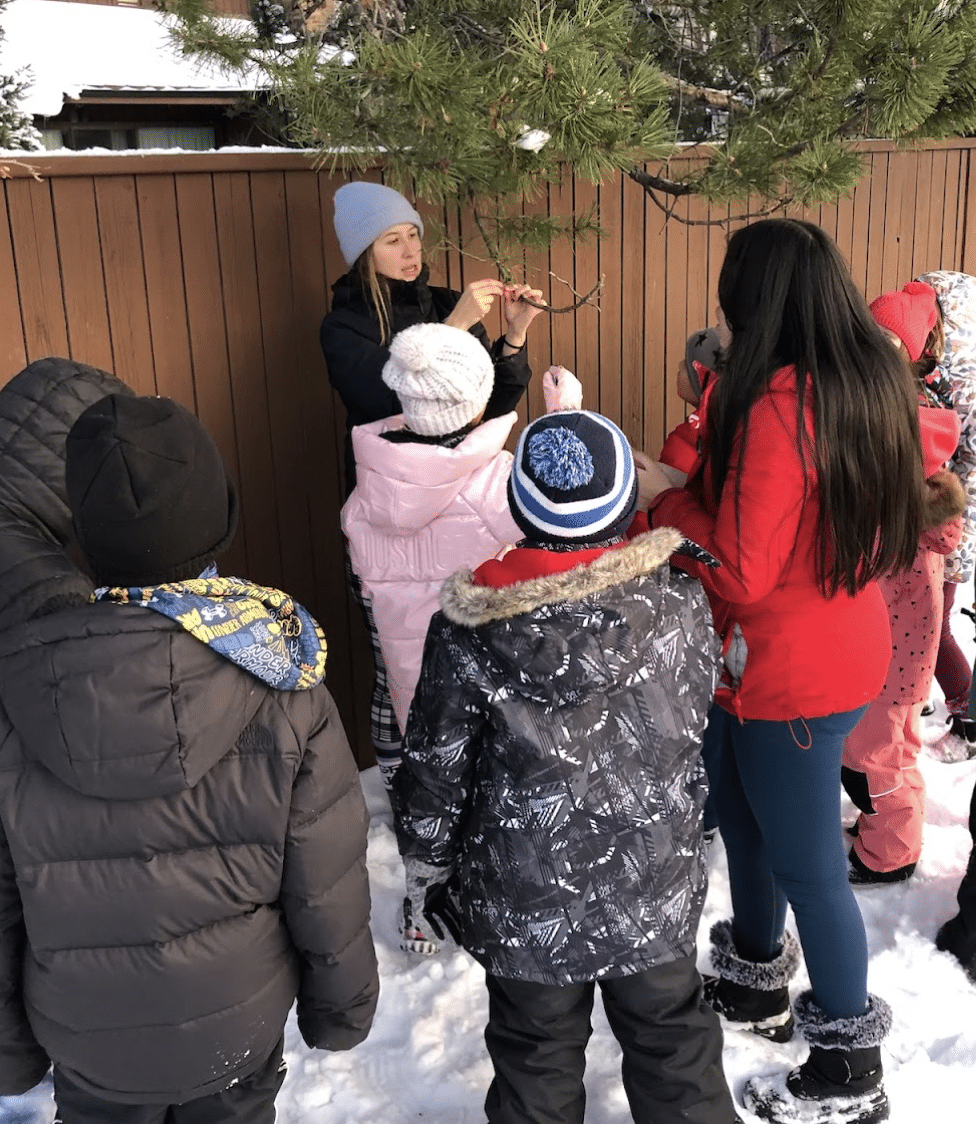
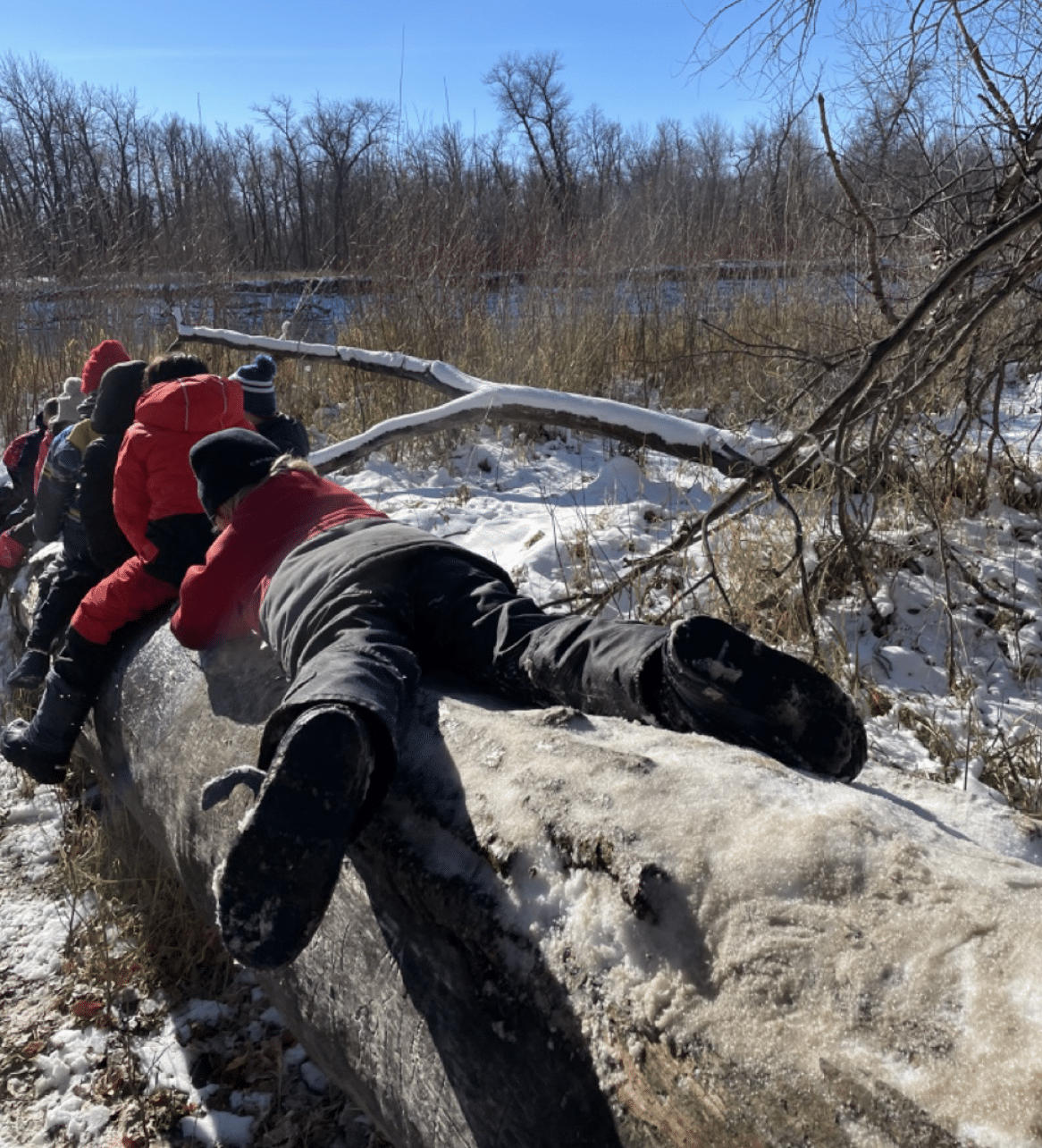
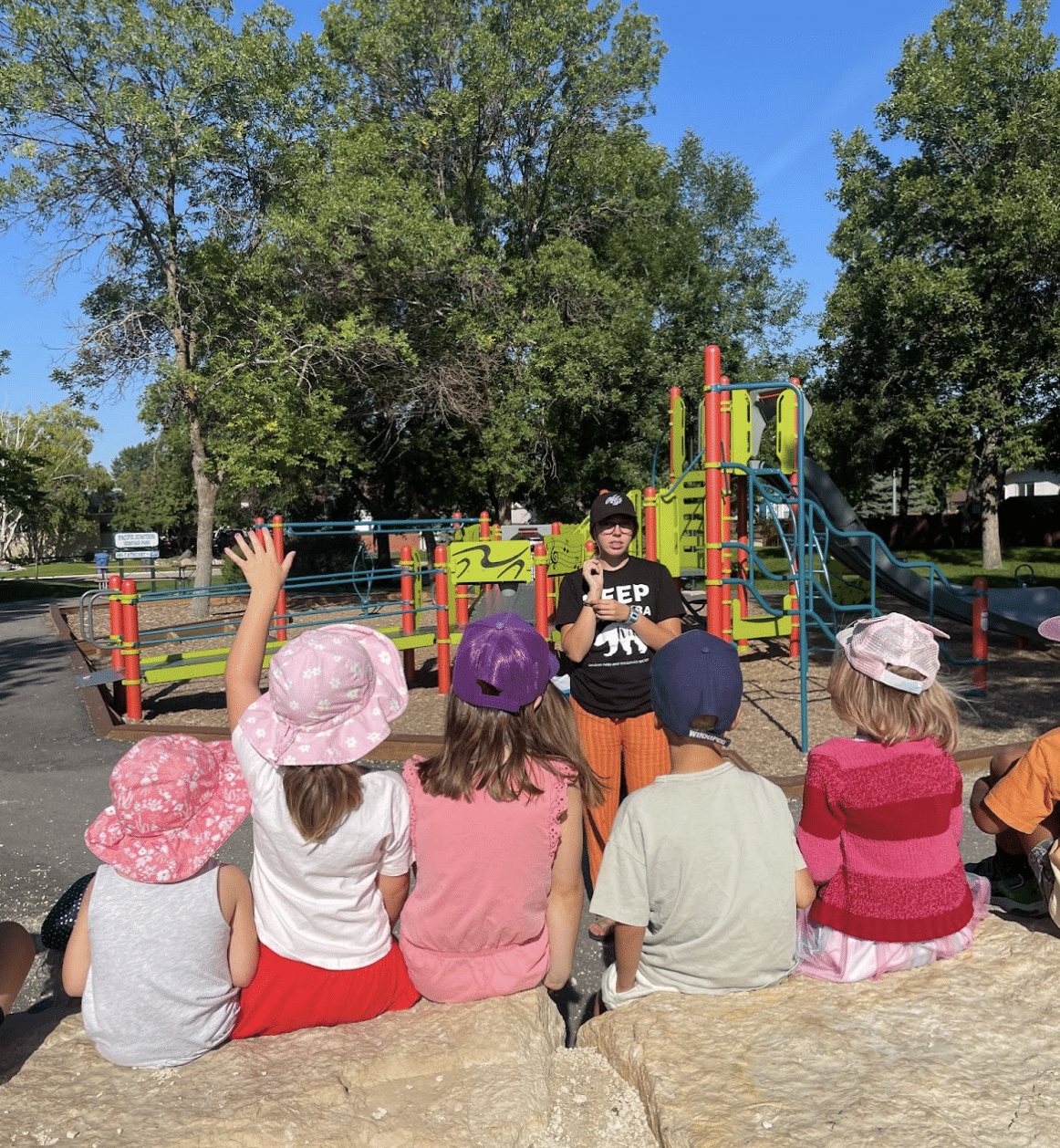
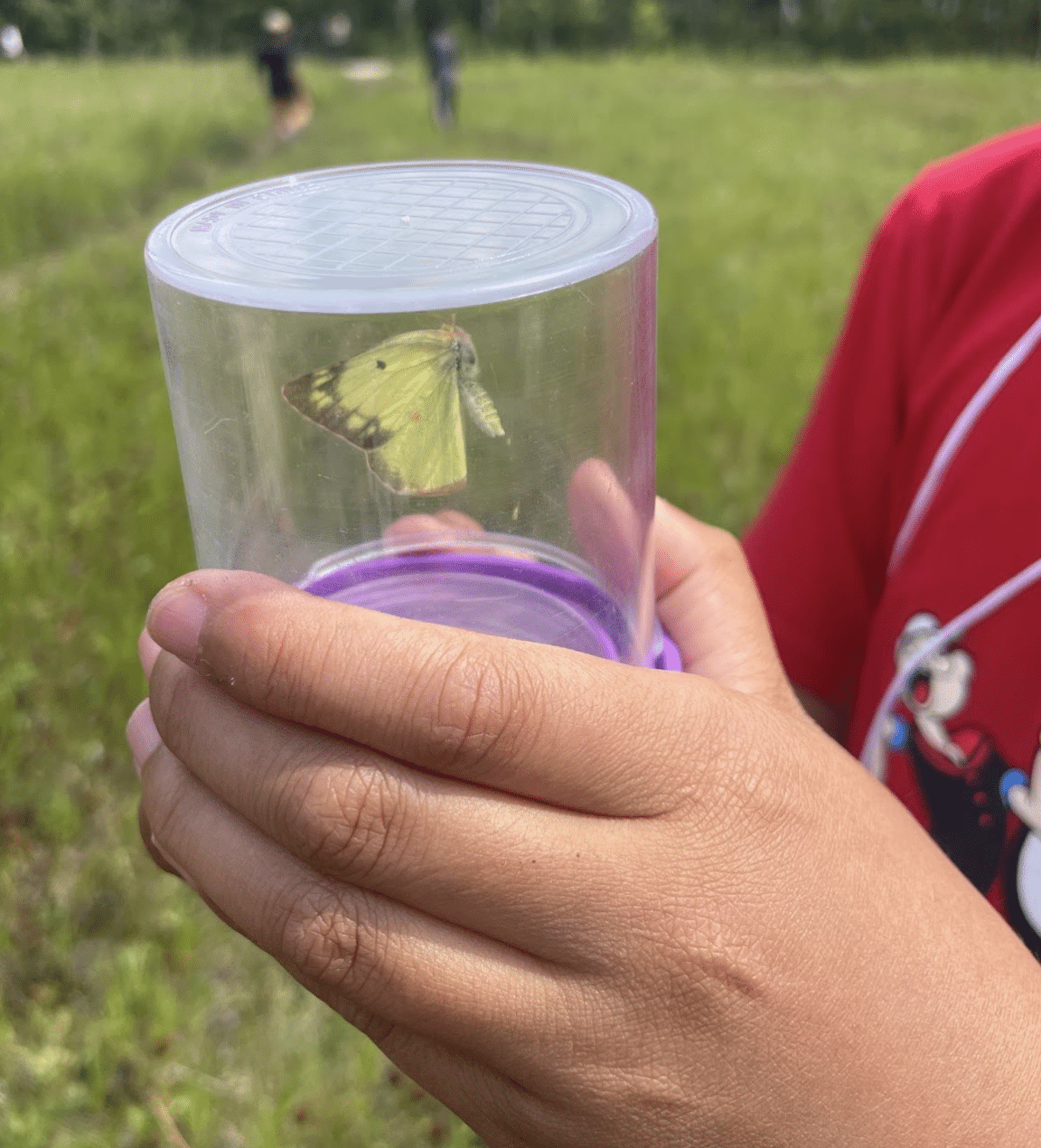

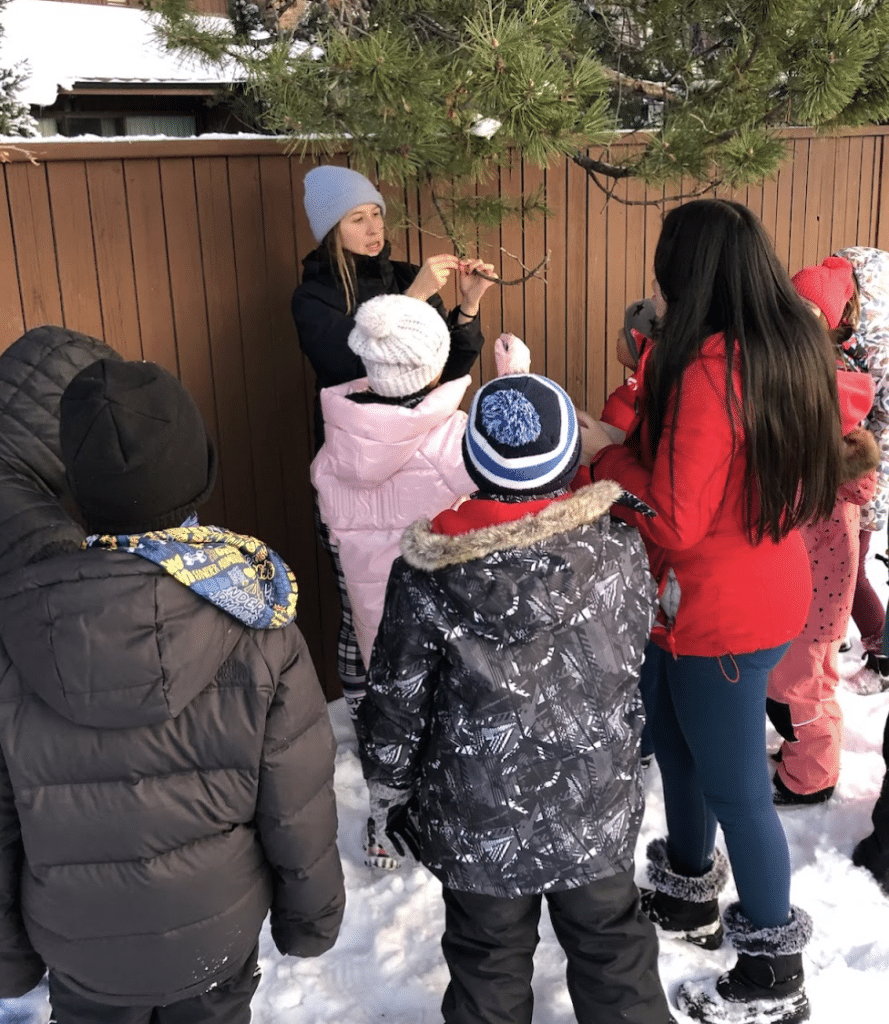


How it all began…
When people ask me how I started my career as an Environmental Educator, I always say, I taught in a classroom for all of 5 minutes before I realized both me and my students needed to be outside.
That realization has sparked an incredible journey that has taken me far beyond the curriculum – into forests, schoolyards, urban greenspaces, and rural communities – as nature-based education is truly all around us.
My start at CPAWS goes back to my first year of the after-degree education program. I had an incredible professor, the late Lee Anne Block, who brought in Avery Kash from CPAWS MB to speak about place-based learning and the importance of bringing students outside to learn.
As Avery spoke, something shifted in me. I scribbled down a couple of pages of notes with extra stars by her email and remember saying to myself, “I want to do this when I grow up”. I reached out to CPAWS and applied to be a part of the summer education team.
And with that, because of the passion my educators had, the seed was planted…
Being a Lifelong Learner
One of my favorite parts about being a nature educator is that I will never be done learning. Every time I am outside, my understanding of the world around me builds and my perspectives shift. The work pushes me to stay curious—not only for my students but for myself. With every group I take outside, I find new ways to inspire and connect with young people. I learn more about local ecosystems, about the land we live on, and about how I can be a better listener to the stories the land holds.
It still amazes me how applicable this work is in every context. We are human, and we are inherently connected to nature. The health of our environment reflects our own health—physically, emotionally, and culturally.
That’s why it’s so important to protect ecologically valuable areas in Manitoba. But protection only happens when people care. And people only care when they have a relationship with a place.
That’s where we come in.

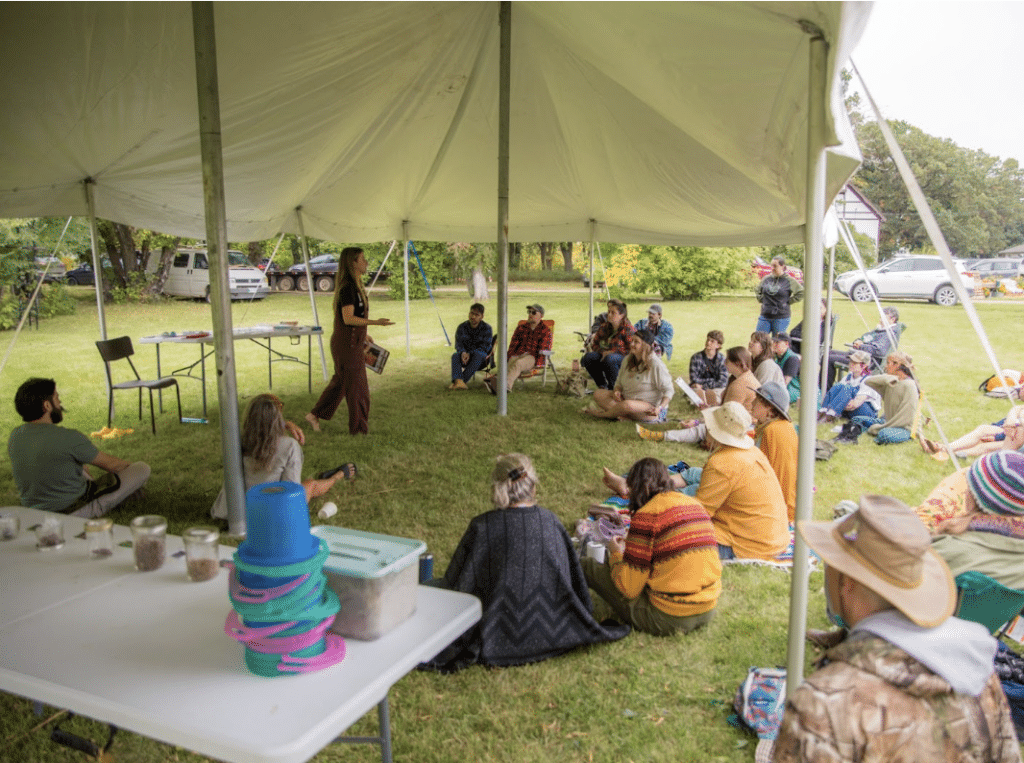
Sparking Wonder Through Outdoor Education
Fast forward to today: the Outdoor Education Program I lead has reached over 32,000 children and delivered over 1500 workshops (and counting). We’ve expanded to include seasonal schoolyard workshops, field trips, and professional development opportunities for educators and professionals.
Our busiest time is spring and summer. Since April of this year, we’ve delivered 107 programs in schools, reaching 2,107 students, and hosted 22 field trips with 437 students experiencing local nature firsthand.
This summer alone, we delivered 183 programs with 2,910 children participating.
Inspiring Minds of All Ages
I can sit here and tell you all the ways that nature is good for you – generating positive emotions, improving eyesight, contributing to overall physical health, reducing the risk of many diseases, and even improving concentration! But the big takeaway for me has been how the natural world has made me a better teacher.
My role, I’ve come to realize, is that of a facilitator – a bridge between people and place. I am not the star of the show – it’s the Richardson Ground Squirrels, Chickadees, Cooper’s Hawks and Northern Leopard Frogs. It’s the land that does the teaching; I am there to help make the introduction.
It has made me realize that I am not the holder of knowledge, but knowledge is within all of us. It has made me realize that we learn through experience and that each learning experience is unique to those experiencing it. We are often visiting the same sites throughout the year and there is always something new to find, especially when we are following the curiosity of children.
Teamwork is Everything
One thing I love about my job is leading a passionate education team. It always amazes me the energy and heart the educators on our team bring to the work. I have also found out how important it is for us all to explore our own connections to nature. Nature education connects people to what’s right under their noses, it builds stewardship of local landscapes and even builds empathy. I see just how important it is as an educator to continuously connect with other educators. It reminds me that we are all in collaboration with the world around us, and that it’s in our diversity that we are stronger.
Our team believes that when people feel connected to the land, they become its strongest advocates. From city schoolyards to remote northern trails, we’re planting seeds of curiosity that grow into lifelong stewardship.

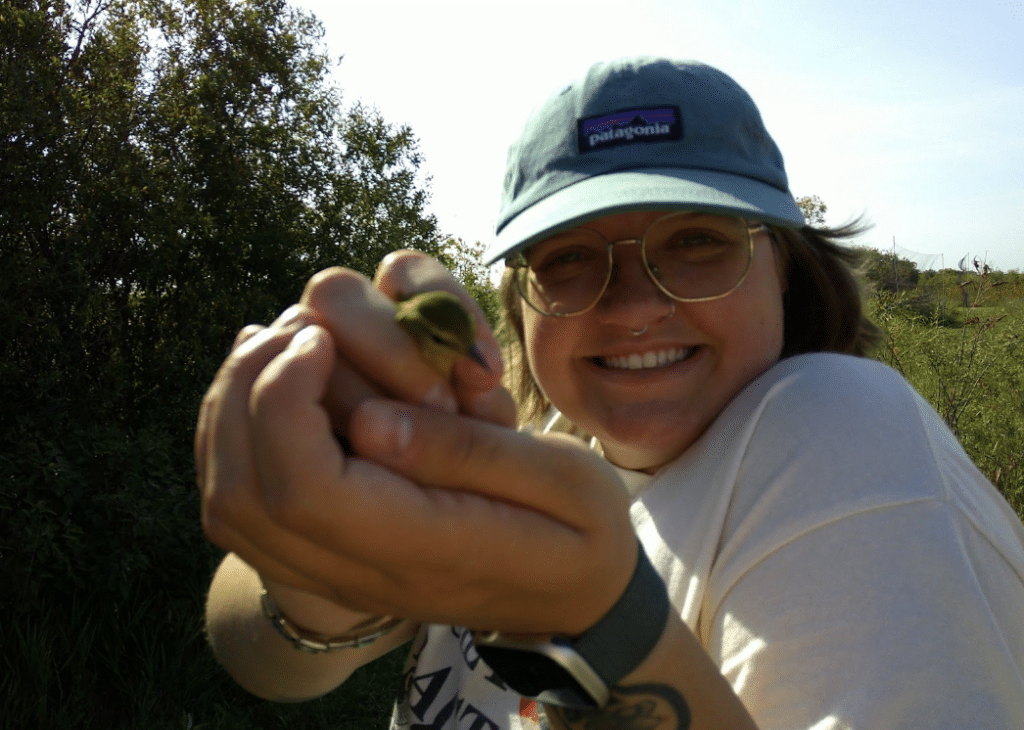
Listen to the Land
Being an environmental educator has changed my relationship with the land—and with weather, too. I do my best to model a positive attitude no matter the forecast. Rain, snow, wind—they’re all just part of the adventure. I am constantly reminded of the importance of treading softly on the earth and ensuring the beautiful creatures I connect to in my lifetime are here to be the stars of many stories to come.
Because the land holds stories. Many of which are human-centered stories about our relationship to one another and the places we inhabit. But the land also tells quieter stories, and when we listen, we notice more.
We notice when the monarchs return to the milkweed plants.
We notice how many black swallowtail larvae there are on our parsley and dill plants.
We notice how the goldenrod crab spiders change colour as they feed on their prey.
We notice when the migratory birds pass through on their journey.
We notice much more than just how many mosquito bites we got.
And that’s show business for you.
Because the life of an educator is not just about teaching.
It’s about learning, connecting, and helping others feel like they belong in the world—especially the natural one.
We’re currently expanding our focus on professional development, offering educators the tools and experiences they need to bring nature into their own practice. If you’re interested in this kind of opportunity, let’s talk. Email me at carly@cpawsmb.org to plan a session for your team.
Now I will leave you with some of tips to connecting to nature
Start small, but often – Remember that simply being outside is beneficial to you and your students.
Practice reciprocity – Give back to the land any way you can.
Slow down – This often needs to be taught in our fast-paced world. Start with using your senses, connecting to your breath, or doing a mindful meditation before you head out.
Nature as Teacher – Learn alongside students, model curiosity and wonder.
Ask questions – Practice facing the world with a curious mind.
Process over Product – Success is internal. When young people no longer complain about the weather or think about the pollinators before picking a lone flower – that is success.
Find joy outside – Share what YOU love about nature with your students.
How to Learn More
Browse at our education lesson plans and resources
CPAWS Manitoba’s Outdoor Education Program is made possible with funding from Manitoba Habitat Conservancy (MHC) through the Conservation Trust. Established by the Province of Manitoba, the Conservation and GROW Trusts support lasting, nature-based solutions that protect wildlife habitat and help address climate change, supporting opportunities for youth to connect with and learn from nature.