


Why Endangered Species Day Matters
Nadia, Conservation Campaign Officer, and Conservative Areas Initiative
Every year on the third Friday of May, we take the time to recognize Endangered Species Day – a time to reflect on the growing threats facing wildlife and the urgency to protect biodiversity. Our environment is more fragile than ever, as the continuation of habitat loss, climate change, pollution, and other human activities threatens ecosystems around the world. This day reminds us of the important role each of us plays – especially here in Manitoba – in protecting the species we share our province with.
Endangered Species Explained
An endangered species is a plant, animal, fungus, microbe or other organism that is threatened by extinction. Often, species face the risk of extinction for two main reasons: loss of habitat and loss of genetic variation.
There are three categories an endangered species can fall under:
- Critically Endangered: A species considered to be facing an extremely high risk of extinction in the wild.
- Endangered: A species considered to be facing a very high risk of extinction in the wild.
- Vulnerable: A species considered to be facing a high risk of extinction in the wild

How Species Get Listed as Endangered
For a species to be considered endangered, a collaborative approach between science, Indigenous knowledge and local communities are essential.
In Canada, there are several key organizations and laws that help guide these principles:
- The Committee on the Status of Endangered Wildlife in Canada (COSEWIC) was created in 1977 and meets each year to assess the risk of extinction for wildlife based on science, Aboriginal Traditional Knowledge and community knowledge.
- The Species at Risk Act (SARA) is part of Canada’s strategy to protect wild plant and animal species from becoming extinct and to help in their recovery. Under this act, species will be listed as: Extinct, Extirpated, Endangered, Threatened, or of Special Concern.
- The International Union for Conservation of Nature (IUCN)is made up of both government and civil society organizations. Since its establishment in 1964, it has grown to become the world’s most comprehensive information resource on the risk of animal, fungus and plant species. Species are categorized as: Extinct, Extinct in the Wild, Critically Endangered, Endangered, Vulnerable, Near Threatened, Least Concern, Data Deficient, or Not Evaluated.
- In Manitoba, the Endangered Species and Ecosystems Act (ESEA) ensures the protection and works to enhance the survival of endangered, threatened, and species of concern. They also work to enable the reintroduction of extirpated species and conserve and protect endangered and threatened ecosystems.
- The Manitoba Conservation Data Centre (MBCDC) maintains science-based information about the biodiversity of Manitoba. Species will be listed as: Endangered, Threatened, Special Concern or Not Listed.

Endangered Species of Manitoba
Focused on the Interlake region of Manitoba, here are a few examples of species that are listed as endangered.
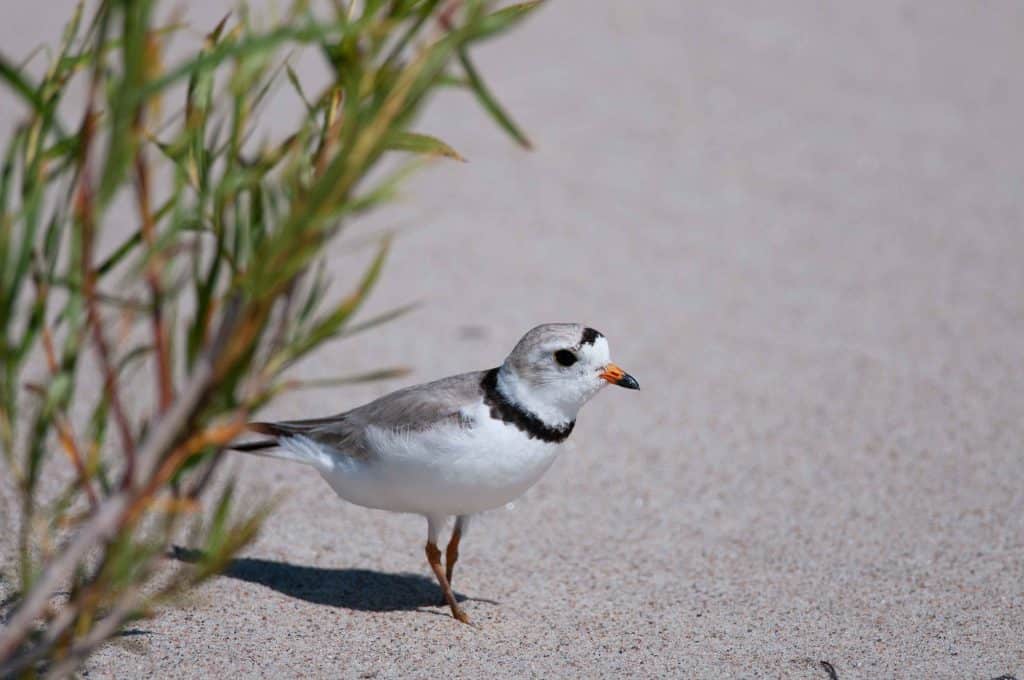
Piping Plover Charadrius melodus circumcinctus
- Listed as Endangered under ESEA, SARA, and COSEWIC
Trumpeter Swan Cygnus buccinator
- Listed as endangered under ESEA
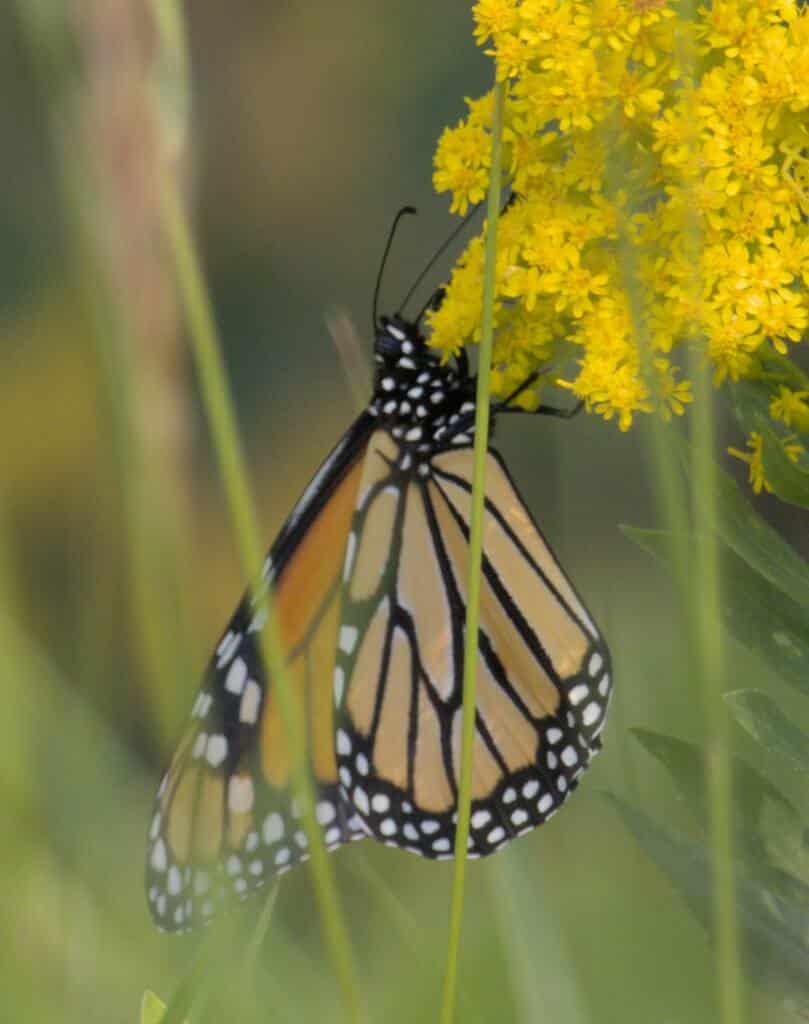
Monarch Butterfly Danaus plexippus
- Listed as Endangered under COSEWIC
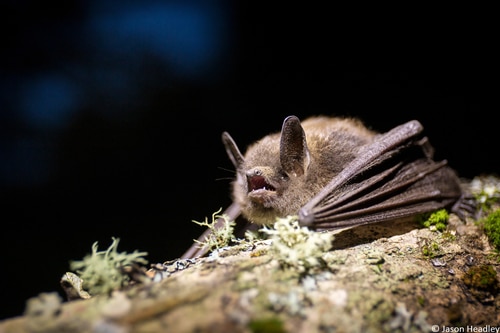
Little Brown Myotis Myotis lucifugus
- Listed as endangered under ESEA, SARA, COSEWIC, and IUCN
Northern Myotis Myotis septentrionalis
- Listed as endangered under ESEA, SARA, COSEWIC
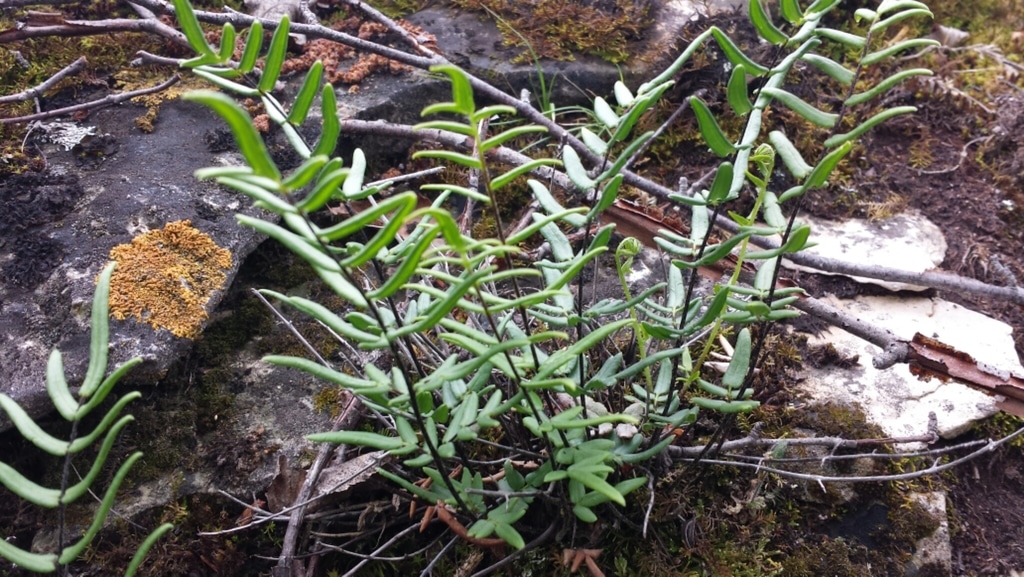
Gastony’s Cliffbrake Pellaea gastonyi
- Listed as Endangered under ESEA
For a full list of endangered species in Manitoba, you can check out the province’s website and learn more about how you can help these species!

How You Can Make a Difference!
Protecting endangered species begins with awareness, but it does not stop there. Here are some ways you can help the wonderful species of our province.
- Spend time in nature! – Visit a wildlife refuge, park, wildlife management area and other open spaces to enjoy the beauty of our local species – remember to leave no trace!
- Plant native species – help promote native insects and pollinators
- Reduce your ecological footprint – minimize pesticide use, reduce waste and conserve water
- Ensure garbage stays in the can! – and is secured – our furry friends don’t need human waste!
- Shop local and/or buy products from sustainable sources
- Join in on citizen science projects – there are many citizen science platforms, including iNaturalist, Zooniverse, Merlin Bird ID, Birds Canada, you can check out online- or if you prefer to be on the ground, try volunteering at your local environment/wildlife organization! (like us!)
- Sign a letter of support to help us protect these critical habitats.