

“Get out of my swamp! Or maybe it’s a bog? Or… is it a wetland? Wait—what’s the difference?”
This year, International Bog Day falls on July 26. Bogs are celebrated every year around the world on the fourth Sunday in July. This day is an opportunity to raise awareness of all peatlands – the benefits they provide, the threats they face and the ways we can all help protect them.
Let’s learn more about bogs, swamps, and wetlands: the main differences, ways to spot them, and how they impact our ecosystems.

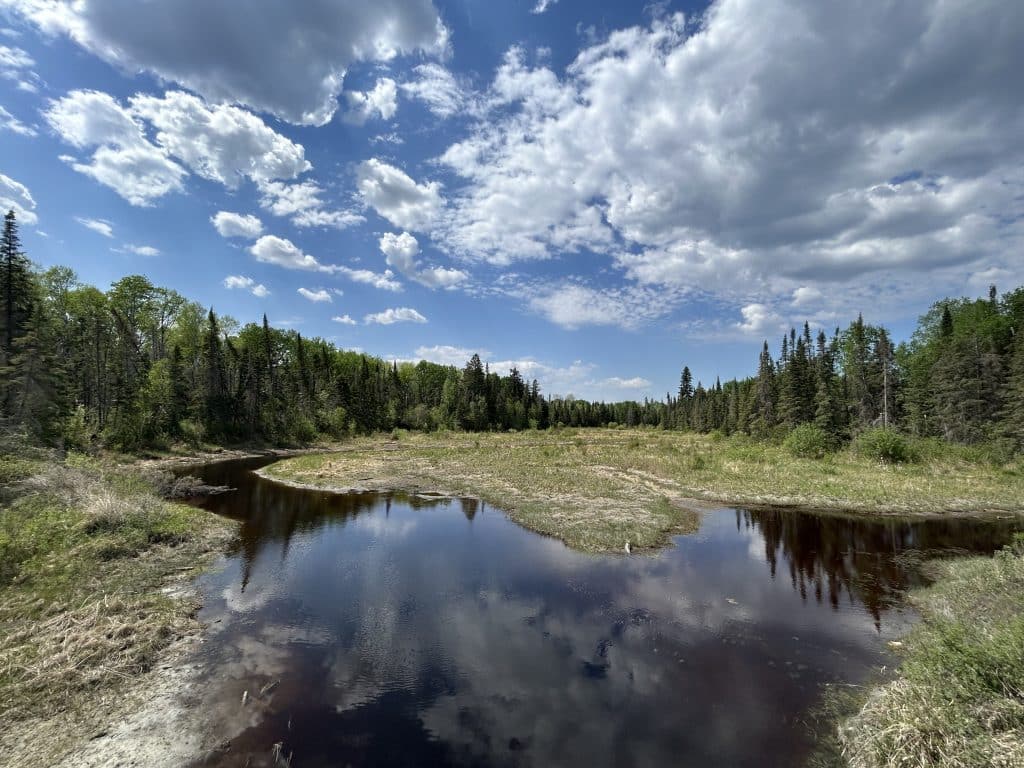
It turns out, swamps and bogs are wetlands—well, kind of. Wetlands come in many forms, and they’re among the most important ecosystems in Manitoba and beyond. Yet, they’re disappearing fast. According to the Province of Manitoba and research by Ducks Unlimited, around 70% of Canada’s wetlands in settled areas have been lost or seriously degraded. That’s a major blow to biodiversity, water quality, and climate resilience.
So, what exactly are wetlands? Why do they matter so much? And most importantly—how can we help protect them? Let’s dive in.
What is a Wetland?
According to Merriam-Webster, wetlands are “land or areas (such as a marsh, swamp, or bog) that are covered often intermittently with shallow water or have soil saturated with moisture.”
Wetlands come in several forms, including bogs, fens, swamps, and marshes. They’re typically categorized into two main types: organic wetlands and mineral wetlands.
- Organic wetlands include bogs, fens, and sometimes swamps. These areas build up thick layers—over 40 cm—of organic material called peat, which forms from the slow decomposition of plant matter in waterlogged conditions.
- Mineral wetlands include swamps, marshes, shallow water bodies (like ponds, sloughs, oxbows, and shallow lakes), and salt marshes (tidal wetlands). These wetlands may contain some organic material, but the peat layer is much thinner—less than 40 cm—and the soil is primarily mineral-based.
Different Types of Wetlands Explained
Bogs are peat-covered wetlands (peatlands), in which the plants show the effects of a high water table and a general lack of nutrients. The bog surface is often raised compared to the surrounding landscape. The surface waters of bogs are strongly acidic and the upper peat layers are generally nutrient-poor. At least 40 cm of peat is present. The plant community is dominated by cushion-forming Sphagnum mosses (peat mosses), ericaceous (acid-loving) shrubs, and black spruce trees.
Fens are peatlands characterized by a high water table, but with very slow internal drainage. Similar to bogs, the surface water in fens is also generally nutrient-poor, and the peat layer is at least 40 cm thick. The vegetation in fens usually reflects the water quality and quantity available, resulting in three basic types: graminoid fens without trees or shrubs, shrub fens, and treed fens. Dominant plants include black spruce, tamarack, sedges, grasses, and various mosses.
Marshes are wetlands that are periodically flooded with standing or slowly moving water and hence are rich in nutrients. Marshes are mainly wet, mineral-soil areas, but shallow, well-decomposed peat may be present. Water remains within the rooting zone of plants for most of the growing season. They are characterized by an emergent vegetation of reeds, rushes, or sedges and the absence of woody vegetation.
Swamps are wetlands where standing or gently moving waters occur seasonally or persist for long periods, leaving the surface continuously waterlogged. The water table may drop seasonally below the rooting zone of the vegetation, creating oxygenated conditions at the surface. Their substrate consists of mixtures of mineral and organic materials, and peat deposited may be present. The vegetation may consist of dense coniferous or deciduous forest, or tall shrub thickets.
Why are Wetlands Important?
Wetlands are often called the “kidneys of the landscape”—and for good reason. These rich ecosystems quietly perform essential functions that benefit both the environment and our everyday lives. In the face of climate change, their value has never been clearer.
Here’s how wetlands, like bogs and swamps, support our world:
Natural Protection
Wetlands act like giant sponges. They absorb rainfall and melting snow, then slowly release that water during dry periods. This natural water management helps reduce the risks of both floods and droughts—keeping communities safer and ecosystems more resilient.
Wildlife Havens
From migratory birds to frogs and dragonflies, wetlands are vital habitats for hundreds of species. These areas provide safe places for animals to feed, nest, and raise their young, supporting biodiversity on a remarkable scale.
Cooling the Climate
Wetlands have a natural cooling effect, often lowering air temperatures in surrounding areas. This “heat sink” quality is becoming increasingly important as global temperatures rise and cities search for ways to combat urban heat.
Carbon Storage
These ecosystems are incredibly efficient at storing carbon. By locking carbon in both plant matter and wetland soils, they help prevent it from being released into the atmosphere—making wetlands powerful allies in the fight against climate change.
Nature’s Water Filter
As water flows through wetlands, it slows down—giving bacteria, algae, and plants time to filter out sediments and harmful substances. This natural purification process improves water quality for both people and wildlife.
Keeping the Water Cycle in Balance
Wetlands play a key role in the water cycle. They help ensure water moves through ecosystems in a steady, balanced way—recharging groundwater and maintaining healthy waterways.
Wetlands in Interlake Manitoba
The Interlake region is home to a diverse array of wetlands, including bogs, fens, marshes, and swamps—each playing a unique role in supporting local biodiversity and water health.
However, these valuable ecosystems are under increasing pressure from urban expansion and industrial activities, such as peat mining. These developments can disrupt natural water flow, degrade habitats, and release stored carbon into the atmosphere.
Adding to the region’s ecological importance, the Interlake also contains alvars—globally rare ecosystems found in only a few places on Earth. These open, limestone-based landscapes are often located near biologically rich wetlands, and both are in urgent need of protection.
Ways to Celebrate International Bog Day
Want to make a difference? It begins with small steps that lead to big impact. Here’s how you can help safeguard these vital ecosystems:
- Learn and share: Educate yourself—and others—about the value of wetlands and the threats they face. Awareness is the first step toward meaningful change.
- Explore and connect: Visit a local wetland to experience its beauty and biodiversity firsthand. The more we connect with nature, the more we’re inspired to protect it.
- Leave no trace: When spending time in nature, be mindful of your impact. Stick to paths, pack out what you bring in, and respect wildlife.
- Get involved: Join local cleanups, habitat restoration projects, or citizen science programs. Even a few hours can make a real difference.
- Support protection efforts: Advocate for policies and back organizations that work to conserve wetlands. Your voice—and your vote—matters.
How to Learn More:
Learn more at Oak Hammock March discovery Centre