

This piece was originally published in the Winnipeg Free Press on Friday, January 30, 2026 and was lightly edited for space. We’re pleased to share the full version here.

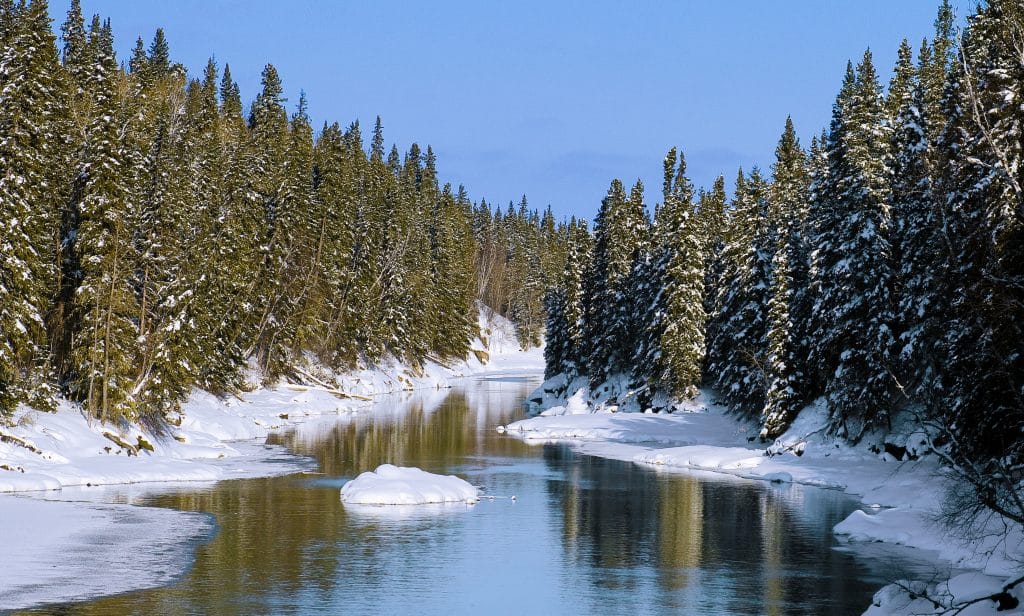
Manitobans are blessed with one of the finest backyards in the world. The choices made in Budget 2026 will determine how much of it we save for generations to come. Our forests, wetlands, grasslands, lakes, and rivers are central to who we are. Yet when it comes to protecting nature, Manitoba stands at a crossroads.
The provincial government has commendably committed to protecting 30 percent of Manitoba’s lands and waters by 2030. This target reflects global urgency and local responsibility, and it matters not only for wildlife and ecosystems, but for people, communities, and the long-term resilience of our province. The upcoming budget could determine whether this commitment becomes a lasting legacy or an unfulfilled pledge.
An Action Plan Needs Resources to Succeed
The province is expected to release an action plan this spring outlining how it intends to achieve its 30×30 goal. That plan will only succeed if it includes clear steps, timelines, and the financial resources required to deliver results. Without funding, ambition alone will not protect a single lake or forest.
That is why a coalition of 26 Manitoba based civil society organizations, representing thousands of workers, businesses, and communities, has called on the province to ensure Budget 2026 includes the investment needed to meet the 30×30 commitment in partnership with Indigenous communities.
Protecting Nature Is a Smart Investment
Protecting nature is not a luxury. It is a smart, long-term investment. Healthy ecosystems safeguard drinking water, reduce climate risks, support tourism and recreation, and sustain cultural and local livelihoods across Manitoba. Globally, the economic case is equally compelling. The World Economic Forum’s 2024 Nature Economy Report estimates that nature-positive economic systems could unlock $10.1 trillion in business opportunities by 2030.
But conservation does not happen by declaration alone. Turning opportunity into impact requires sustained, significant investment, and it must begin now.
Time Is Running Out to Meet 30×30
Some notable progress has been made with Manitoba helping to advance the Seal River Watershed as a protected area along with commitments toward a national marine conservation area in western Hudson Bay.
However, with less than five years left to meet the 30×30 target, Manitoba must dramatically accelerate its conservation efforts. Establishing protected areas is complex and time-intensive, often requiring years of knowledge gathering, community engagement, partnership building, public consultation, and legal work before legislation is even drafted. Without immediate investment in 2026, Manitoba risks falling irreversibly behind on its own goal.
Chronic Underinvestment Is Holding Manitoba Back
The scale of the challenge is clear. Achieving 30×30 will require a historic level of conservation investment, well beyond what previous provincial governments have provided. The 2024 and 2025 budgets did not include the resources needed to move forward at the necessary pace. Chronic underinvestment has limited Manitoba’s capacity to develop partnerships, plan, and designate protected areas.
While recent collaboration with the federal government has modestly increased capacity within Environment and Climate Change Manitoba, it is not enough. The province continues to struggle to advance multiple conservation initiatives at once, placing its own targets at risk. Additional staffing and operational funding in relevant branches are urgently needed if Manitoba is going to meet its target.
Indigenous Leadership Is Essential
Indigenous leadership is central to successful conservation. Indigenous Nations must have the resources to lead and fully participate in protected area planning and implementation. Supporting Indigenous-led conservation is not only a matter of reconciliation, it consistently delivers stronger environmental outcomes.
Budget 2026 must include a dedicated, well-funded mechanism to support Indigenous Nations as leaders and partners in conservation. This funding should be designed and delivered in partnership with Indigenous entities, helping to correct long-standing imbalances that have excluded Indigenous-led initiatives from provincial conservation funding. Such a fund could also leverage federal contributions and attract philanthropic and conservation finance partners.
Transparency, Trust, and Public Engagement Matter
Public trust and transparency are essential. Establishing protected areas through legislation requires meaningful public consultation. Without adequate funding for engagement, projects can stall and concerns can arise. Resourcing this work is foundational.
Finally, Manitoba must ensure public dollars are not working against nature. Identifying and reforming provincial subsidies that harm ecosystems would free up resources and help shift the economy toward nature-positive outcomes. This is fiscally responsible and environmentally sound.
Matching Ambition With Action
The Manitoba NDP has shown leadership by committing to 30×30. Now the budget must match the ambition. A whole-of-government approach, grounded in Indigenous leadership and inclusive of all Manitobans, is needed to deliver results at the necessary scale.
A budget that invests in nature is a budget that invests in Manitobans. With decisive action in 2026, Manitoba can turn its 30×30 commitment into a lasting legacy, protecting the lands and waters that define this province while strengthening communities and building a resilient future. The window is narrowing, but the opportunity remains.