


The Annual 5 Nations Gathering for the Kitaskeenan Kaweekanawaynitamuk
By Nadia and Claire, Conservation Team
A version of this blog was first published in November 2025.
As warm temperatures emerge and the land shifts to spring with flowers beginning to bloom, rivers and streams thawing and rushing with spring runoff, and more opportunities to spend time outdoors, we’ve found ourselves reflecting on our time at the Five Nations Gathering for Kitaskeenan Kaweekanawaynitamuk held at the Fox Lake Culture Camp in September 2025.
The four-day gathering was coordinated by members from each of the five First Nations, and was hosted by Fox Lake Cree Nation. The gathering was filled with many moments of joy, laughter, heartfelt emotions, inspiring words, Traditional Knowledge and ceremonies, music, singing, dancing and the sharing of delicious food. Reflecting on these moments reminds us of the powerful opportunities that emerge and what can become possible when people gather on the land, learn and share with one another.
At a time when climate change, wildfires, industrial pressures, and biodiversity loss continue to reshape our province, gatherings like this remind us that conservation is more than protecting our ecosystems. It is about supporting Indigenous sovereignty, strengthening relationships to the land, and supporting the communities leading the future of stewardship on their ancestral land.
Connection to the Land
“We need to protect and take care of our land, take care of our animals, and take care of our water. These are things we learn when we gather like this.” – Chief Betsy Kennedy, War Lake.
We were honoured to be invited as guests and supporters of the Kitaskeenan Kaweekanawaynitamuk project. This project is working to establish an Indigenous-led protected area across ancestral lands in northeastern Manitoba and along the Hudson Bay coastline.
This project is led by five Nayhenaway Ininewuk (Cree) Nations: York Factory First Nation, Fox Lake Cree Nation, Tataskweyak Cree Nation, War Lake First Nation, and Shamattawa First Nation. It aims to conserve, preserve and honour their shared ancestral homelands. Kitaskeenan Kaweekanawaynitamuk is not only about land stewardship, but about Indigenous sovereignty, and intergenerational knowledge sharing.
A Week at Fox Lake Culture Camp
The Journey North – Our Land We Want to Take Care of
Our adventure began early. Travel plans to Thompson turned into an unexpected adventure to Island Lake – a beautiful, remote community near Ontario’s border. While most of our time was spent on the runway, it was a special opportunity to see another part of Manitoba’s rich landscape.
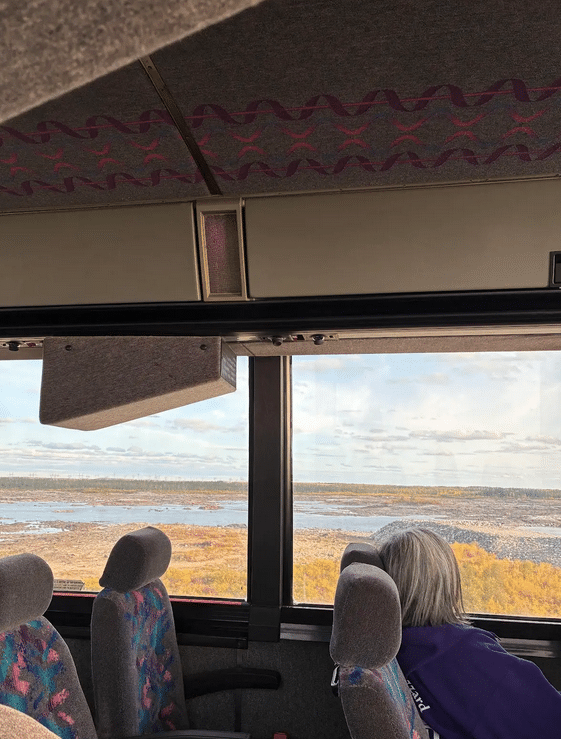
After arriving in Thompson, we joined others attending the gathering and headed on a bumpy shuttle ride to Fox Lake Cree Nation Culture Camp – roughly 3.5 hours northeast. The journey was long but meaningful. We witnessed landscapes shaped by recent wildfires, and large hydroelectric developments which underscored the importance of the communities work to protect their ancestral lands and waters. Elders from York Factory had to fly all the way to Thompson, and then take the bus instead of being able to drive from York Landing due to extremely low water levels preventing their ferry from being operational.
Once arrived at Fox Lake Culture Camp, it was time to unpack our gear, set up camp, enjoy some snacks and head to bed. But not before experiencing the beautiful display of northern lights to end our first evening!

Day 1 – Welcome to Fox Lake
Day one of the gathering began in a powerful and grounding way, with a Water Ceremony led by Rose Hart from Nisichawayasihk Cree Nation.
Welcoming remarks and inspiring words were shared by members of the Kitaskeenan Kaweekanawaynitamuk project team, representatives from each community, supporting organizations and visiting dignitaries including Grand Chief Walter Wastesicoot (Keewatin Tribal Council) and Grand Chief Kyra Wilson (Assembly of Manitoba Chiefs).
“Our sovereignty doesn’t come from the government, it doesn’t come from the systems that oppress us. We walk in our sovereignty every day,” said Councillor Martina Saunders of York Factory

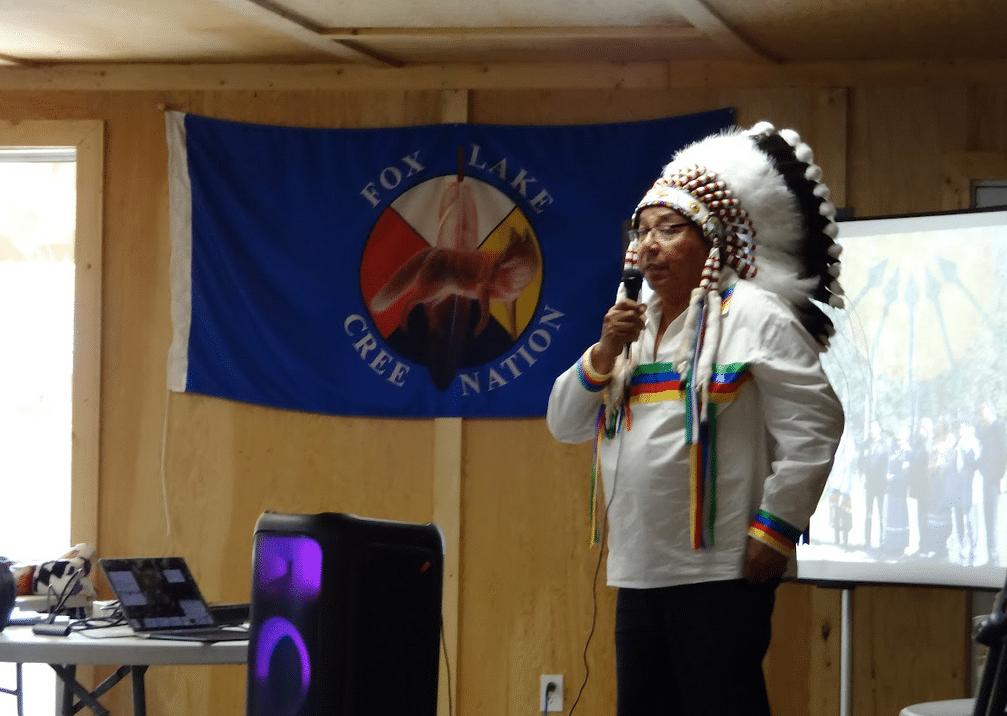
Rob Nedotiafko, Director of the Parks and Protected Spaces Branch of the Province of Manitoba, gave greetings on behalf of the Manitoba Parks department. “This government is fully committed to supporting Indigenous communities in protecting their areas.” He also shared a message on behalf of Minister of Environment and Climate Change Mike Moyes, “We want every Manitoban to have access to clean air, clean water and access to nature.”
After a lunch of freshly caught fish from the Nelson river, attendees got a chance to explore different elements of Cree culture. We learned the practice of beading, listened to an informative talk from Dylan Bignell of Tapewin Health about the use of traditional medicines, and took part in healing cedar baths from Annie Constant.

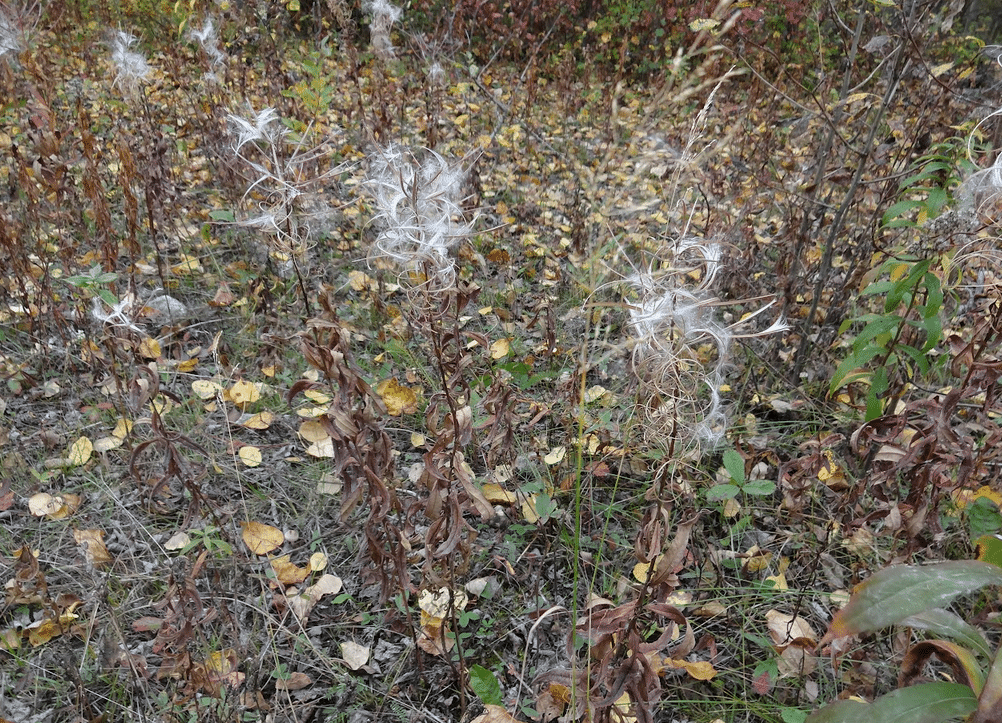
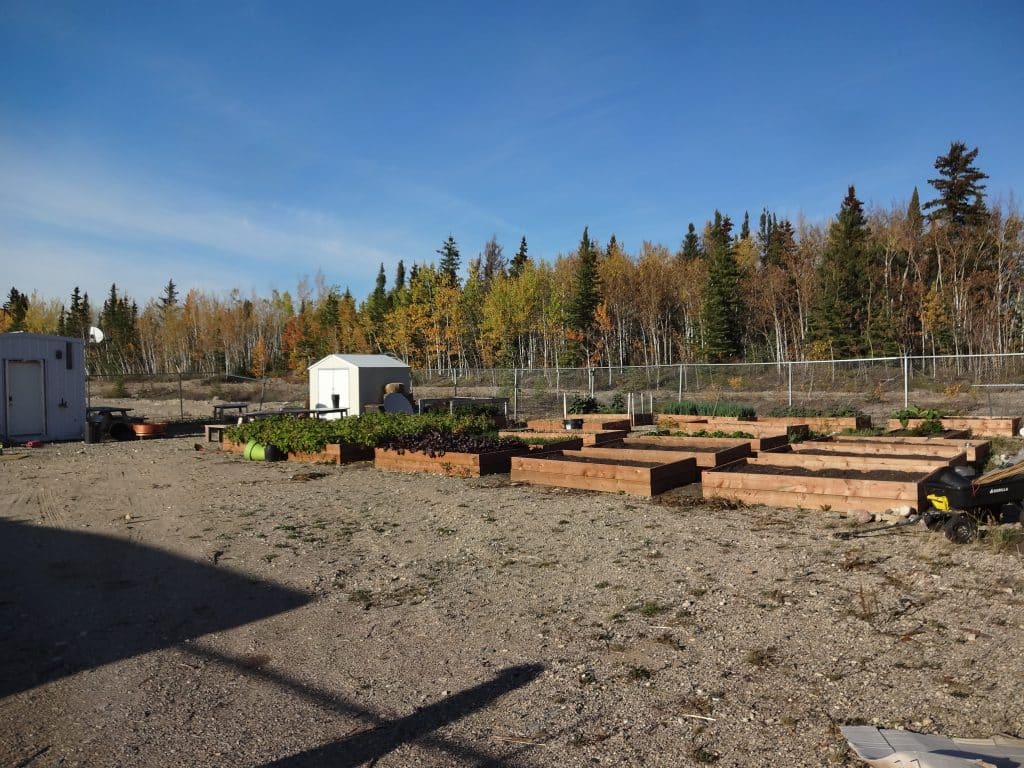
We were lucky enough to get a tour of Fox Lake’s farm pilot project, which produced an incredible crop of lettuce, onions, beets, and potatoes. The farm includes a chicken coop for local eggs and meat for the community. They hope to get a geodesic greenhouse to increase the growing season and therefore food security and food sovereignty.

The evening saw a celebration of all five communities coming together, with fiddle dancing and singing, led by the fantastic band, Gravel Roads, from Wabowden.
Day 2 – Kischi Sipi
We spent the second day of the gathering mostly outside, enjoying the unseasonable sunshine, while hearing teachings from Knowledge Keepers Madeline and Gordon Walker. Together, they shared teachings on Ininemowin (Cree), which translates literally to “the human dance.”
Language and culture are intricately connected. For example, we learned a Chief’s ceremonial bonnet contains white goose feathers, as the goose symbolizes leadership. The term for being a leader (neeganiskaman) even contains the word niska (goose).

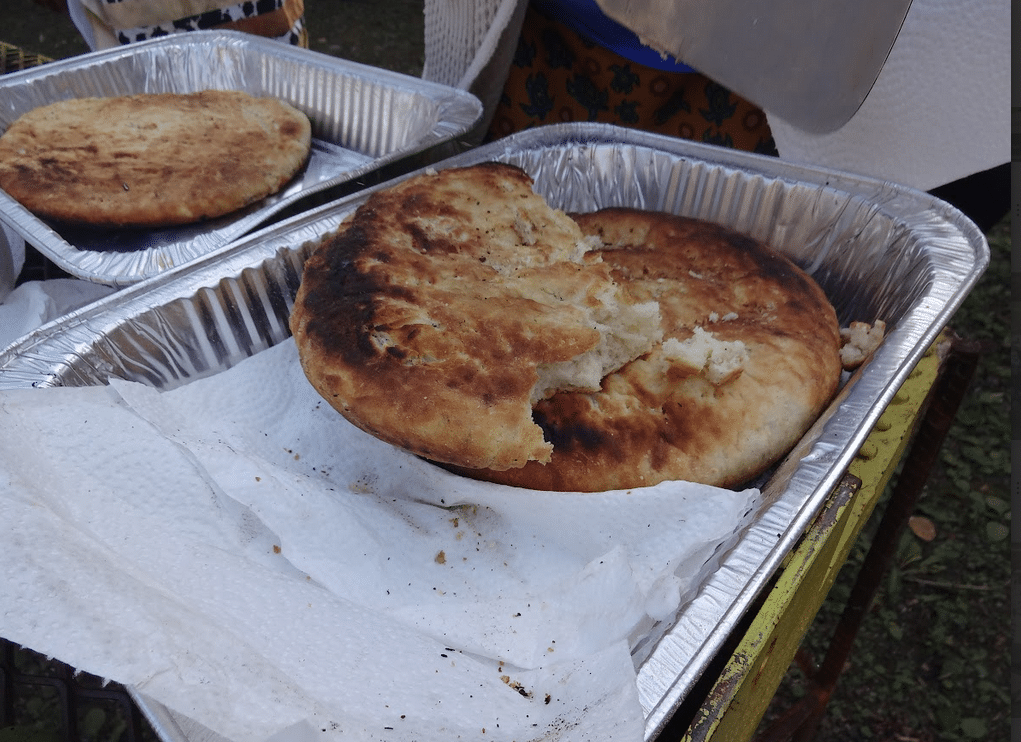
While bannock roasted over the fire, attendees heard from project supporters, including CPAWS, who shared about the incredible carbon sequestering powers of the Hudson Bay Lowlands. This is explored in International Institute for Sustainable Development’s Ecosystem Goods and Services Report.
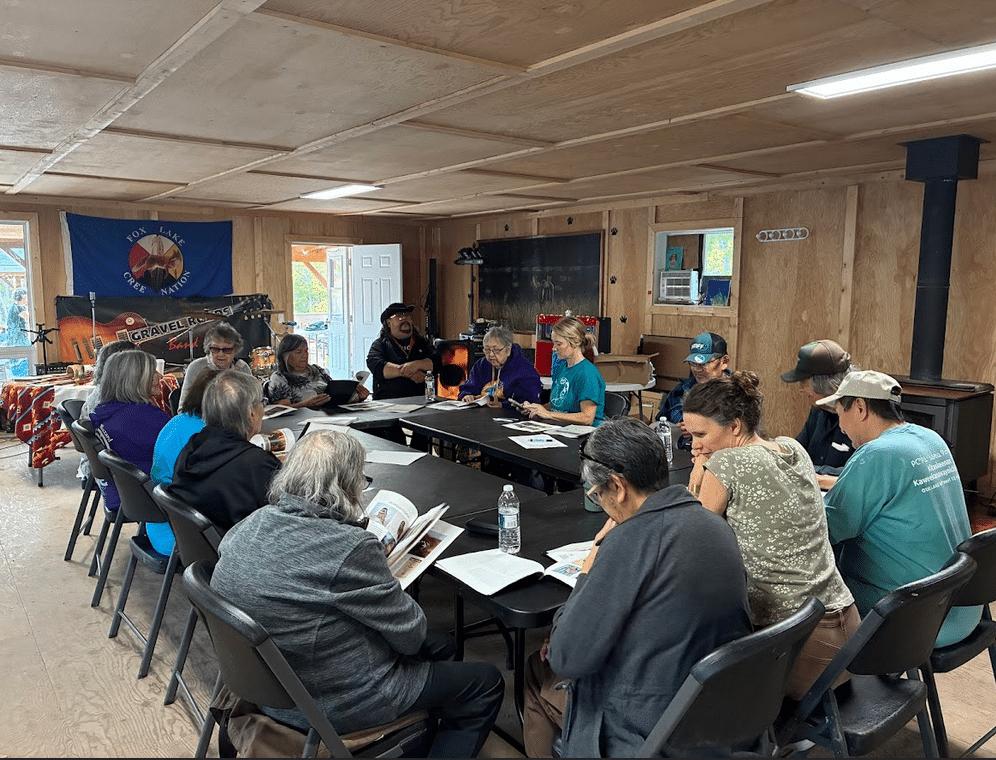
After lunch, representatives from the National Audubon Society sat down with the Elders in a sharing circle about bird knowledge. Participants at the gathering received copies of the Kitaskeenan Kanatenihtakwuk Pínayseesak bird book, created in partnership with the Elders. Common birds of the Lowlands are shown with their Cree name, a picture, and data about their life and behaviour. Did you know that birds from the Hudson Bay Lowlands travel to 35 countries around the world? Another indication of the global importance of this place.

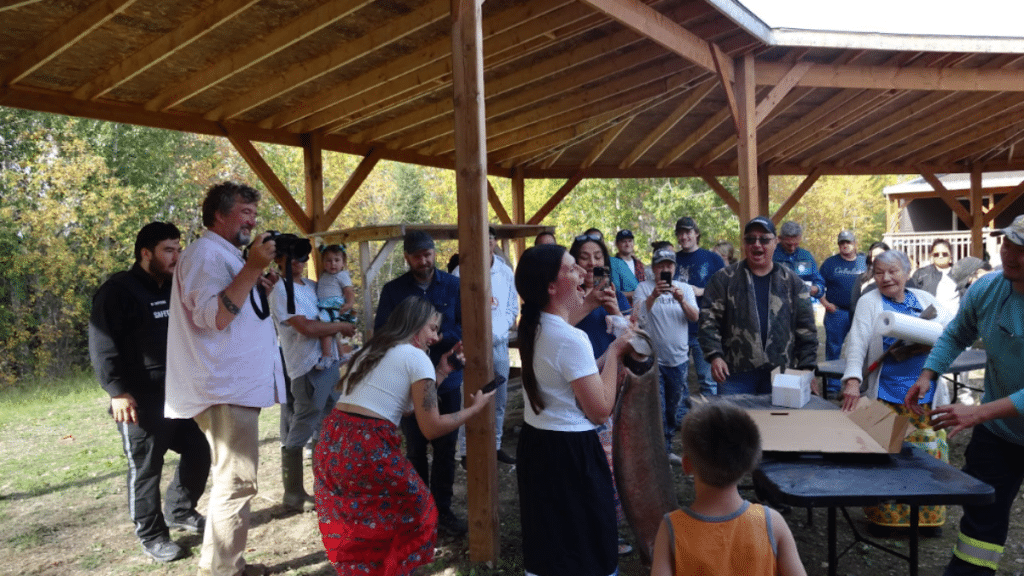
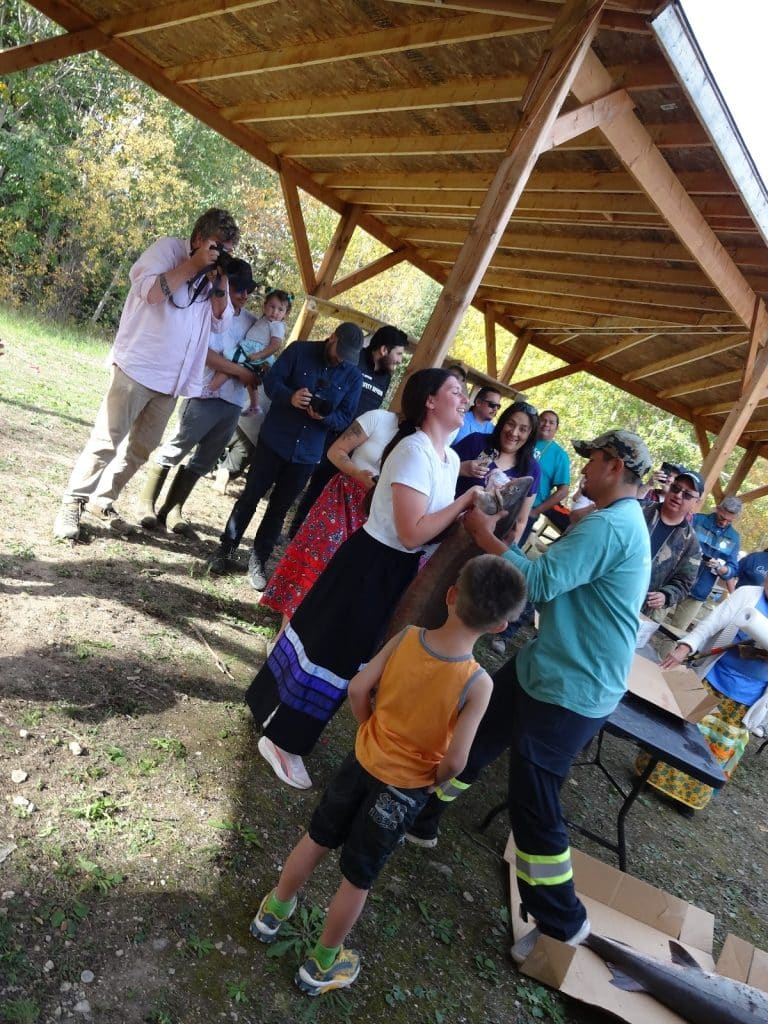
The absolute highlight of the day was the sturgeon harvest. The sturgeon was caught right next door in Kischi Sipi (“great river” aka the Nelson River). One community member from each Nation got a chance to filet a sturgeon and learn traditional techniques for preparing it.
Community members expressed how appreciative they were to have traditional foods served, reminding them of fond childhood family activities. They also touched on the role of harvesters being stewards of the land.

Later, the evening brought the opportunity for spiritual connection. Just before dusk, twenty-five people gathered at a Sundance location just north of the Fox Lake Culture Camp to participate in an indoor Sweat Lodge led by Gordon and Madeline Walker. Though it is not typical to have a dedicated enclosed building for Sweats, having an all-weather building in northern Manitoba has created more opportunities for community members to participate in Sweat Lodge ceremonies throughout the year.
It was wonderful to see all ages and levels of experience join in on the sweat ceremony. Ekosani (thank you) to Gordon and Madeline for sharing these traditions and teachings with members of the communities and visitors from across the province.
Day 3 – See You Next Time, All My Relations
Reaching the final day, we heard reflections from attendees on next steps in the journey. Representatives from the Parks and Protected Spaces Branch of the Government of Manitoba made a formal presentation of tobacco to Elders and representatives from each of the five Nations, as a physical representation of the sincere commitment to work together.
Guests from the project’s five Nations shared their appreciation of being invited, eating and sharing traditional foods harvested from the land, and participating in joyful activities.

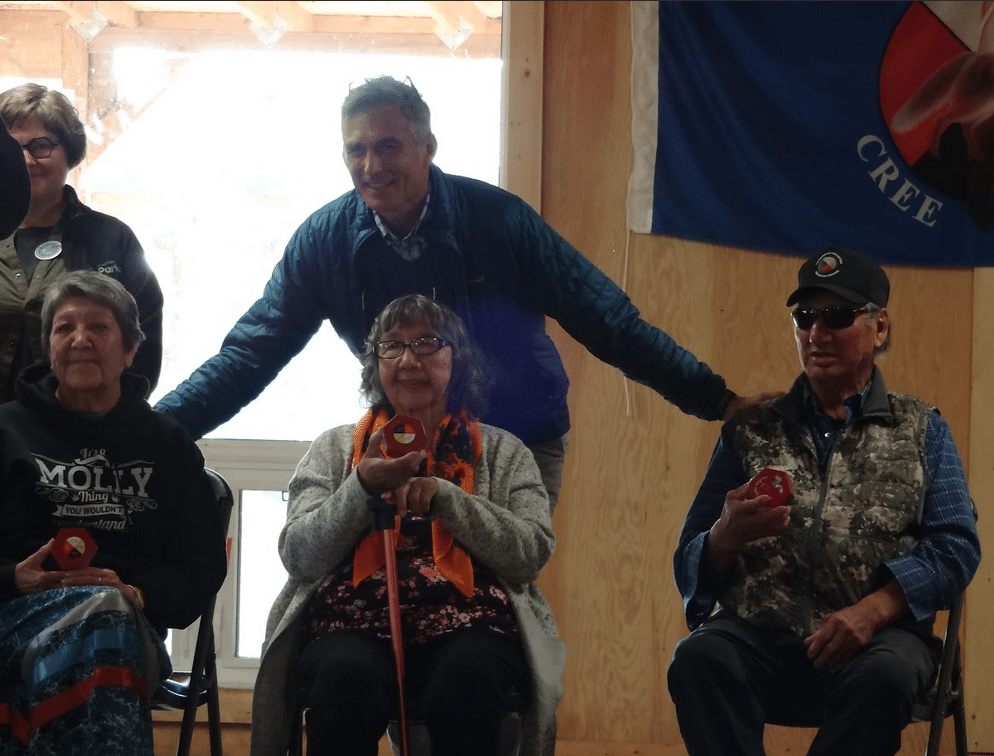
“After this gathering, we truly will all be related by this project that brings us all together.” – Flora Beardy, Knowledge Keeper, York Factory First Nation Community Coordinator for Kitaskeenan Kaweekanawaynitamuk.
These words were some of many throughout the gathering that truly encapsulated the spirit of generosity and hospitality felt by every guest.
We felt this welcome spirit throughout the week. We will be carrying with us all the special memories and moments into the future. Being on the land reinvigorates our passion for protecting Manitoba’s lands and waters. This reminds us again why it is so important to support Indigenous communities. They are leading the way and stewarding their traditional territories through their traditional governance systems.
Ekosani, Thank you.
How To Learn More:
Visit the project website to learn more about the work of Kitaskeenan Kaweekanawaynitamuk
Learn more about last year’s gathering, the public launch of Kitaskeenan Kaweekanawaynitamuk
About Kitaskeenan Kaweekanawaynitamuk
The Kitaskeenan Kaweekanawaynitamuk (Our Land We Want to Take Care of) project is led by Five Nayhenaway lninewuk (Cree) Nations: York Factory First Nation, Fox Lake Cree Nation, Tataskweyak Cree Nation, War Lake First Nation, and Shamattawa First Nation. These nations united in creating an Indigenous Protected Area on their shared ancestral homelands in northeastern Manitoba and along the Hudson Bay coastline.
From their website:
This land- Askiy- holds our culture, histories, language, and identity. It is our responsibility to protect Askiy by following the ways of our ancestors for the future generations.
Publicly launched September 2024, this year’s gathering was a continued celebration of the successes since launching the project. And looking forward to the future community efforts and work to accomplish.
This blog is made possible through the generous support of the National Audubon Society. We’re grateful for their partnership, collaboration, and shared commitment to protecting the lands, waters, and wildlife we all cherish.