


By Chelsea and Carly
What happens when you mix one big dog, a yard in need of life, and a shared love for local plants? You get a prairie garden project full of heart, humour, and habitat-building potential.
Can these plants survive a giant dog?
In May, Chelsea and Carly from CPAWS Manitoba took a trip to the Living Prairie Museum’s annual native plant sale. This much-anticipated event draws nature lovers and green thumbs from across the city. Their mission was to choose a selection of native plants that could bring beauty and biodiversity to Chelsea’s backyard while holding up to the playful paws of Lenny — a lovable, 90-pound Pyrenees-Golden Retriever mix.

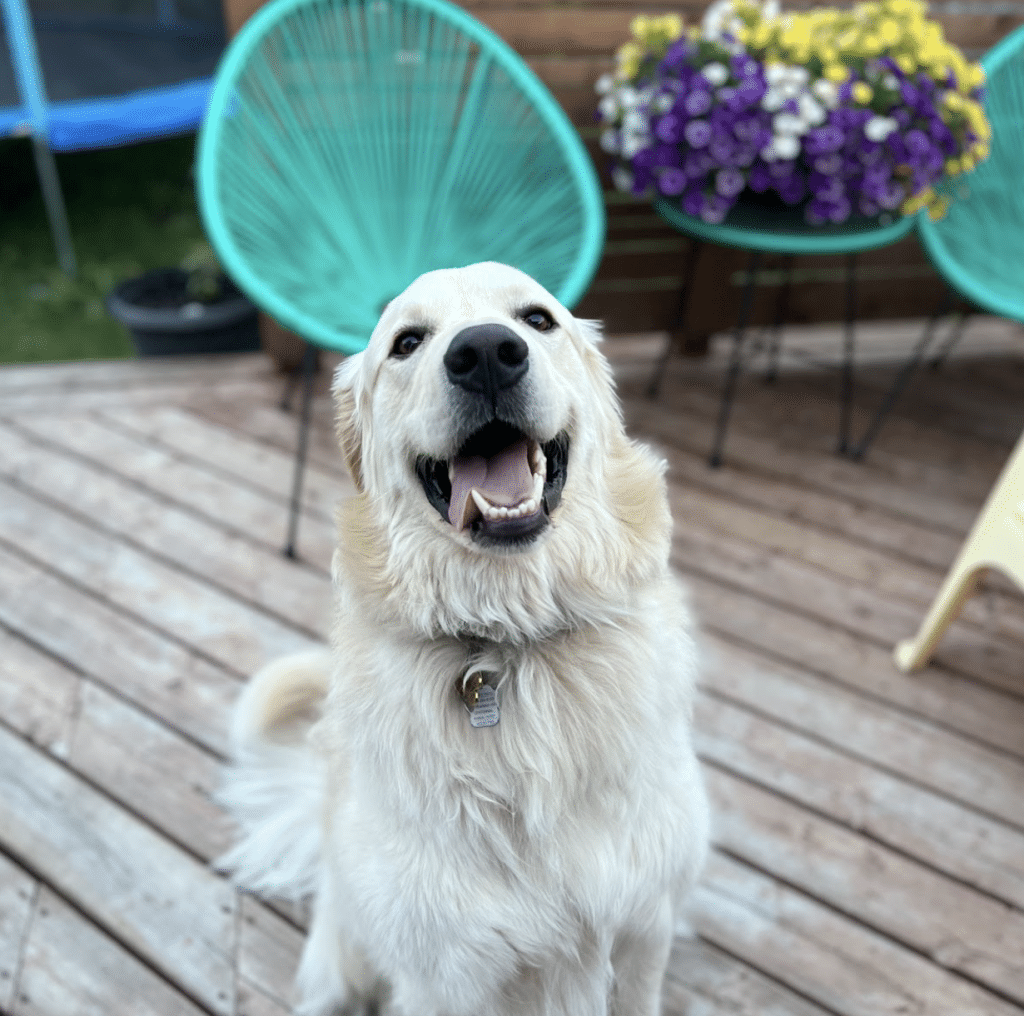
Chelsea’s first question was a practical one: “Will these survive my dog?” Carly didn’t hesitate. “These plants survived bison. They’ll survive Lenny.”
And with that, the plant picking began.
Picking the Perfect Prairie Plants
For anyone unfamiliar, a prairie garden is a thoughtfully designed space that uses plants naturally found in Manitoba’s grassland ecosystems. Examples include: The iconic Canada Wild Rye, the spectacular Prairie Dropseed, the dazzling Culvers Root (which is rarely found in the wild), and the chocolate-scented Beautiful Sunflower.
These plants are not only beautiful throughout the seasons, they are also adapted to our local climate, support important pollinators like bees and butterflies, and often require less water and maintenance than many traditional garden varieties. It is gardening that gives back to nature.
We selected 20 native species as a starting point. A mix of grasses and flowers in different shapes, sizes and colours. This variety isn’t just for looks, the diversity of the species helps support local biodiversity by creating habitat and food sources for a wide range of birds and insects. The more diverse your garden, the more life it can sustain.
As Carly introduced Chelsea to different species, she explained the growing conditions, heights, and colours of each plant. Together, they chose a mix of textures and bloom times to create a garden that would be both hardy and dog-friendly, while offering visual interest all season long.
What they picked:
Side Oats (Bouteloua curtipendula)
- Height: 50-75 cm (1.7-2.5 ft)
- Bloom Time: July to August – Warm season grass
Canada Wild Rye (Elymus canadensis)
- Height: 100-150 cm (3.25-5 ft)
- Bloom Time: June to July – Cool season grass
Prairie Dropseed (Sporobolus heterolepis)
- Height: 30-70 cm (1-2.3 ft)
- Bloom Time: August – Warm season grass

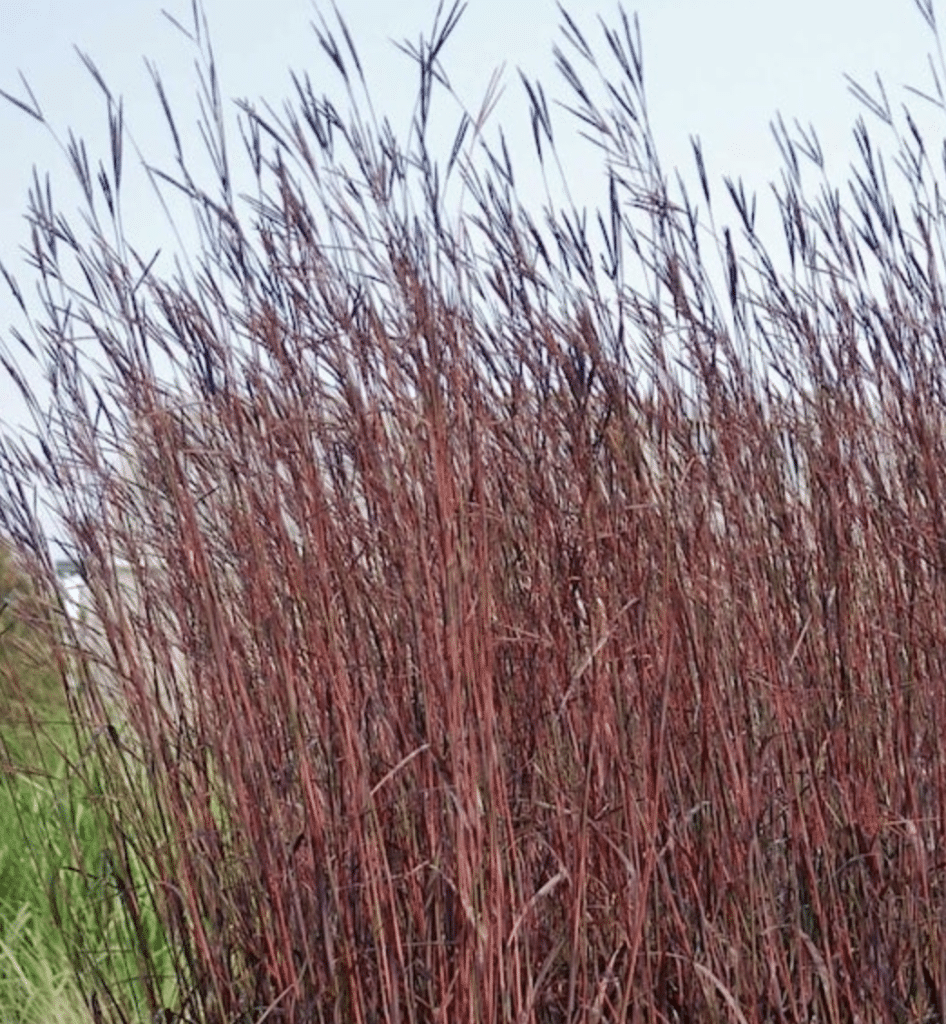
Little bluestem (Schizachyrium scoparium)
- Height: 30-70 cm (1-2.3 ft)
- Bloom Time: August – Warm season grass
Big Bluestem (Andropogon gerardii)
- Height: 100-175 cm
- Bloom Time: August – Warm season grass
Purple Coneflower (Echinacea purpurea)
- Height: 30-60 cm (1-2 ft)
- Bloom Time: July
Cutleaf Anemone (Anemone multifida)
- Height: 20-40 cm (0.7-1.3 ft)
- Bloom Time: June
Wild Bergamot (Monarda fistulosa)

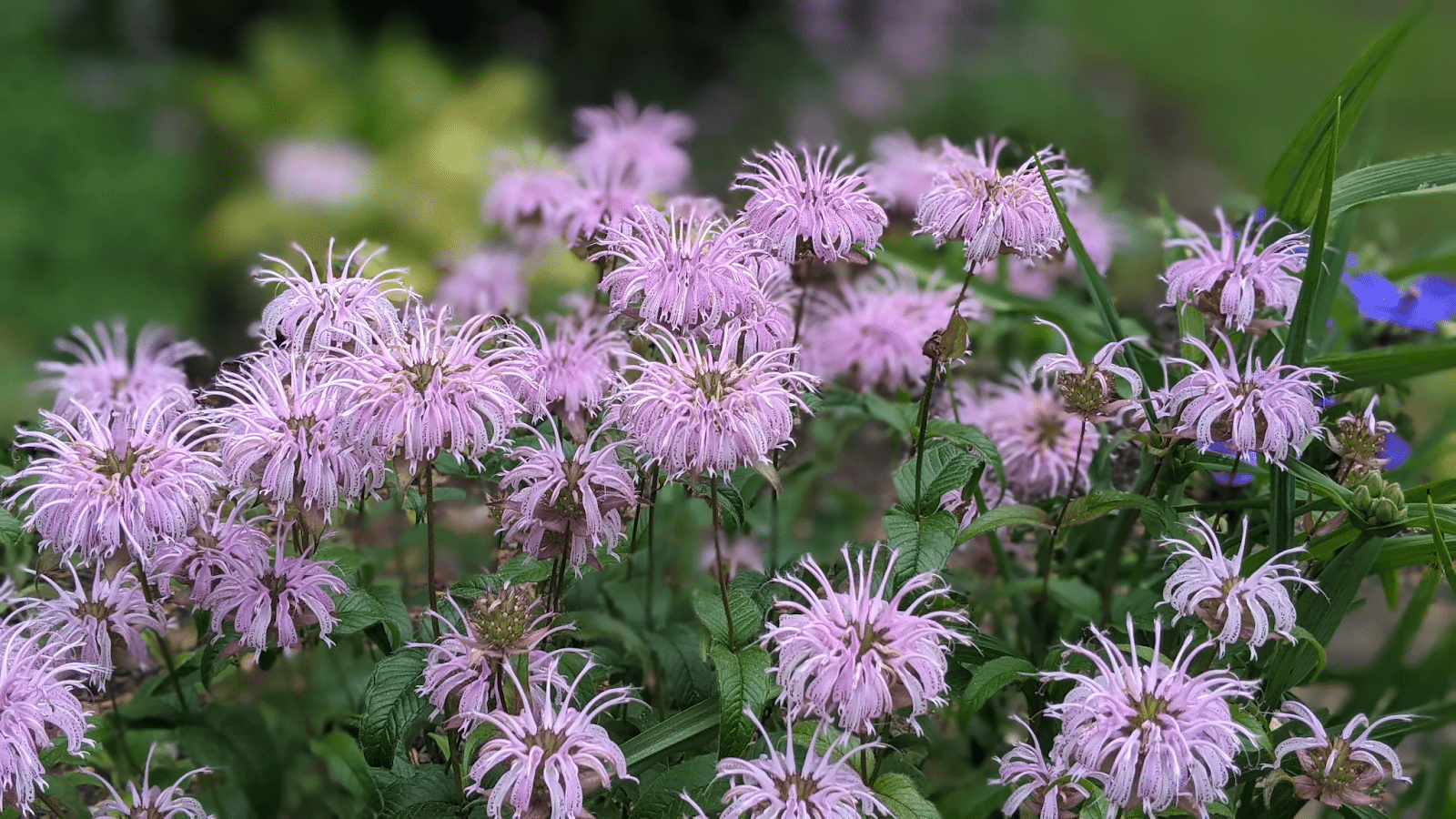
- Height: 60-90 cm (2-3 ft)
- Bloom Time: July
Purple Prairie clover (Dalea purpurea)
- Height: 20-50 cm (0.7-1.7 ft)
- Bloom Time: July
White Prairie Clover (Dalea candida)
- Height: 20-50 cm (0.7-1.7 ft)
- Bloom Time: July
Swamp Milkweed (Asclepias incarnata)

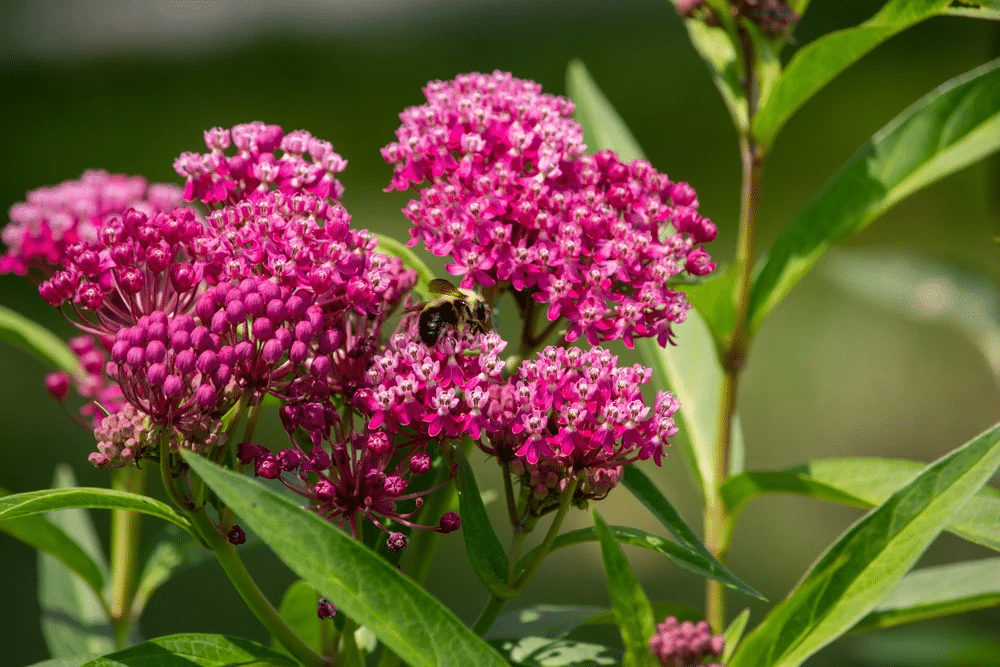
- Height: 90-120 cm (3-4 ft)
- Bloom Time: July
Many Flowered Aster (Symphyotrichum ericoides)
- Height: 20-60 cm (0.7-2ft)
- Bloom Time: August to September
New England Aster (Symphyotrichum novae-angliae)
- Height: 75-120 cm (2.5-4 ft)
- Bloom Time: August to September
Wild Peavine (Lathyrus ochroleucus)
- Height: 60-90 cm (2-3 ft)
- Bloom Time: June
Wild Columbine (Aquilegia canadensis)
- Height: 45-90 cm (1.5-3 ft)
- Bloom Time: June

Pussy Toes (Antennaria parvifolia)
- Height: 1-15 cm (0.2-0.5 ft)
- Bloom Time: May
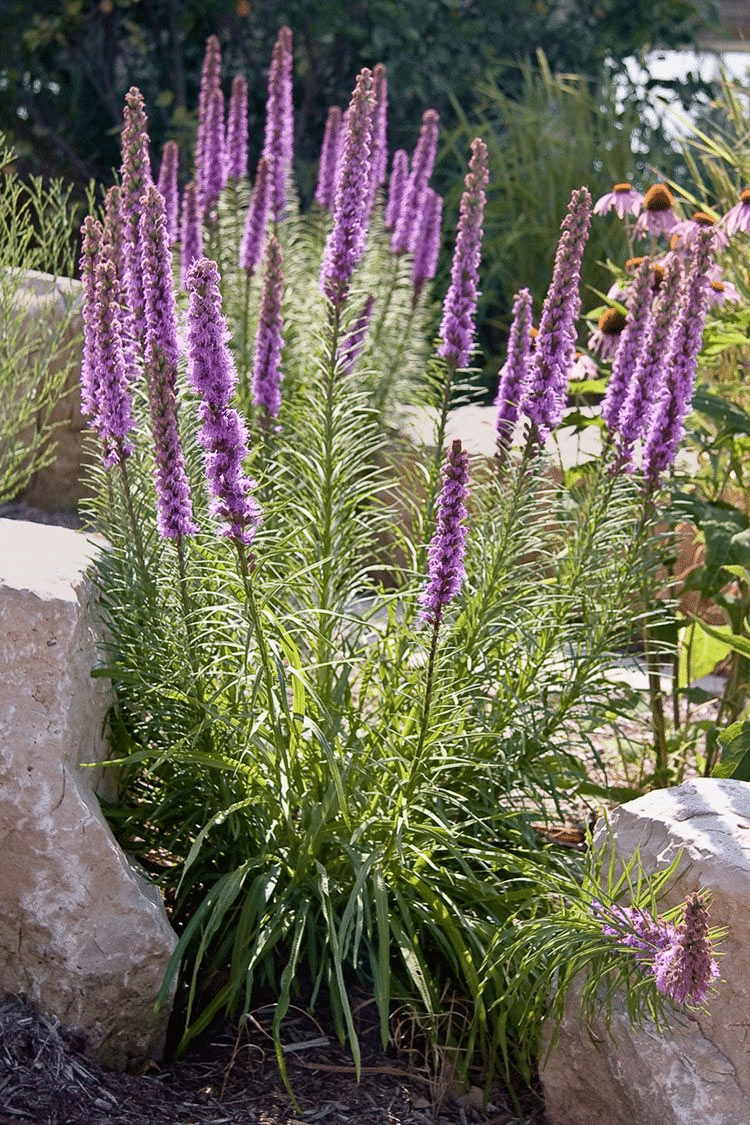
Meadow Blazing Star (Liatris ligulistylis)
- Height: 45-70 cm (1.5-2.3 ft)
- Bloom Time: August
Prairie Sage (Artemisia ludoviciana)
- Height: 10-50 cm (1-1.7 ft)
- Bloom Time: August
Wild Flax (Linum lewisii)
- Height: 25-50 cm (0.8-1.7 ft)
- Bloom Time: June to early July
Iron Weed (Vernonia fasciculata)
- Height: 90-150 cm (3-5 ft)
- Bloom Time: August
Fireweed (Chamerion angustifolium ssp.angustifolium)
- Height: 90-150 cm (3-5 ft)
- Bloom Time: July
Beautiful Sunflower (Helianthus laetiflorus)
- Height: 90-150 cm (3-5 ft)
- Bloom Time: July to August
Carly to the Rescue
Carly’s love for native gardening was contagious. While she helped Chelsea make her selections, several other shoppers politely asked if she could lend a hand. A woman working on a boulevard project needed advice about drought-tolerant options. A couple of teachers had questions about setting up a native plant container garden for their school grounds. Carly was happy to help and seemed to run into friends around every corner. She was clearly in her element, sharing her knowledge and enthusiasm with anyone who asked.
Native gardening is not just about planting flowers. It is about reconnecting with the land, creating habitat for wildlife, and inspiring others to care for the natural world right outside their door.
Coming Soon…
Stay tuned for Part 2, where we will show how the plants were added to the garden and how they are doing in a backyard ruled by one very big (and very good) dog.
Even a small yard can make a big difference when you plant with purpose.
Learn more:
Visit the “Living Prairie museum”
Learn more at our Prairie Walk and talk hosted by Bryana Nicholas