

Ever stumbled across tiny paw prints in the snow or mud and wondered who passed by before you? Every track tells a story — if you know how to identify it!
Animal tracks are like secret notes left behind in the wild — clues to the comings and goings of creatures we rarely see. Whether it’s the dainty hops of a rabbit, the zigzag scurry of a squirrel, or the bold stomp of a deer, these footprints can spark curiosity and bring the hidden world of wildlife to life. Join us to explore how to spot, identify, and interpret animal tracks.
First Nations, Inuit, and Métis have all used animal tracks to understand the land around them since time immemorial. Traditional Knowledge of wildlife and our connection to the land is passed down through generations of people. Today this tradition continues and is important as we navigate a world where major changes to the landscape and wildlife around us are changing fast. Wildlife are co-habitants of the land, we must understand and learn to appreciate how human-wildlife coexistence is essential to maintaining healthy ecosystems, promoting biodiversity and ensuring the well-being of the world around us.
There are many clues that can help solve the species of which animals may be around. Here are some tips and tricks to help you identify species on your adventures.

LOCATION:
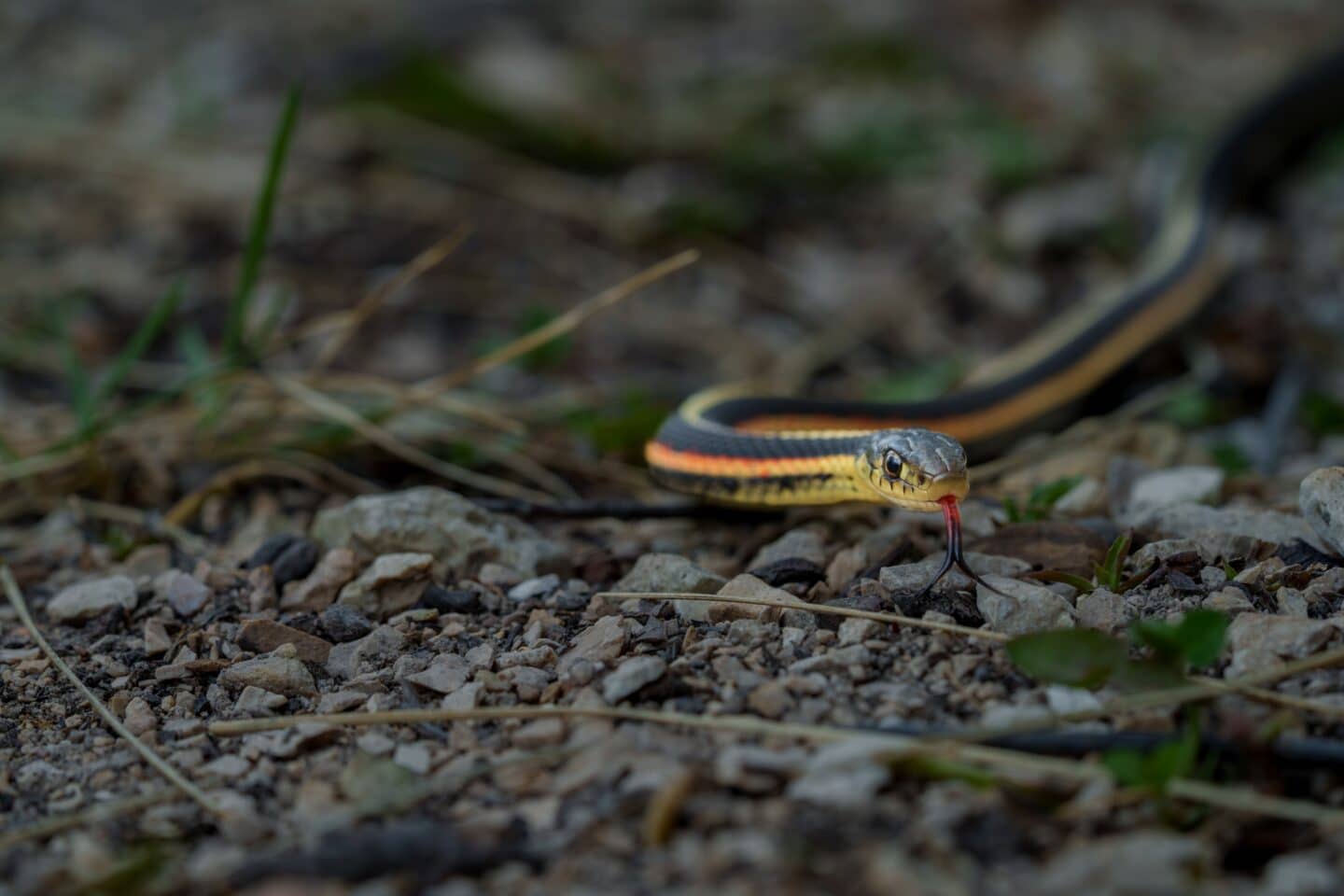
The first clue is where you find the tracks. Are they near a water source, along a trail, in sand near a beach, or tucked under a tree in your backyard? Different animals frequent different environments, and knowing the typical species in your region can narrow down your search
SIZE AND SHAPE:
Understanding the general shape of the print is essential. Size and shape can be a big giveaway for what species you may have encountered.
Mammals:
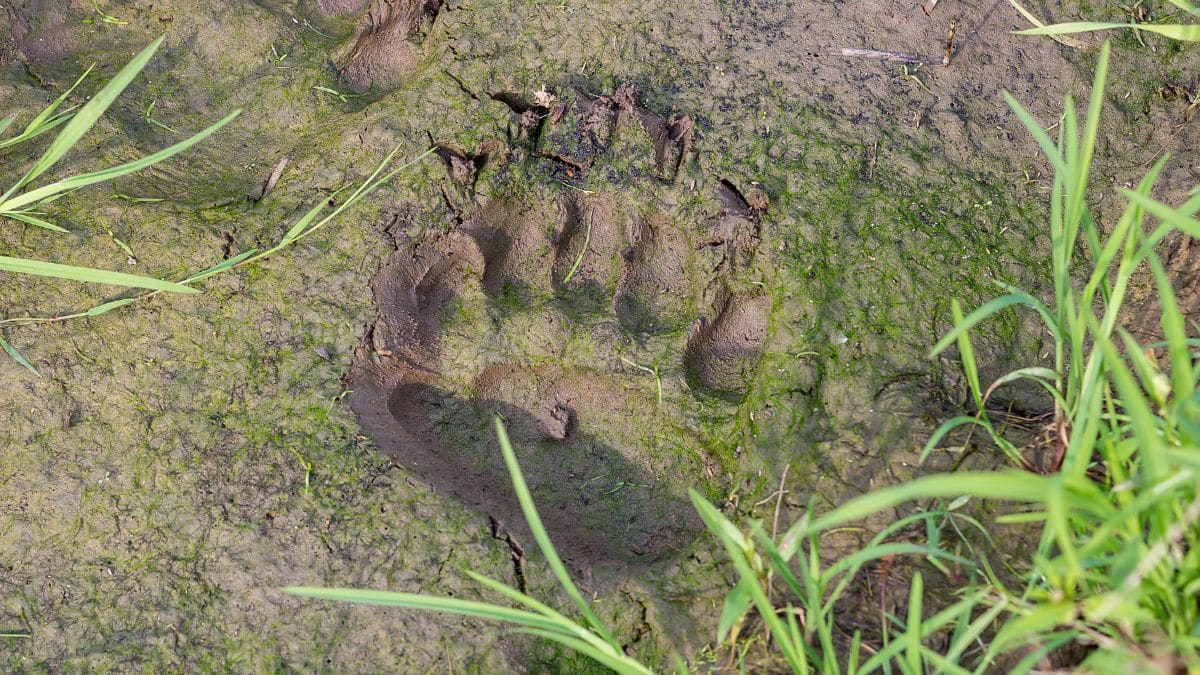
- Count the toes – does the track have 4 or 5?
- Are the toes close together or spread out?
- Is there a heel pad visible?
- Are there claw marks?
- Look for webbing – yes mammals have webbing too!
Birds:
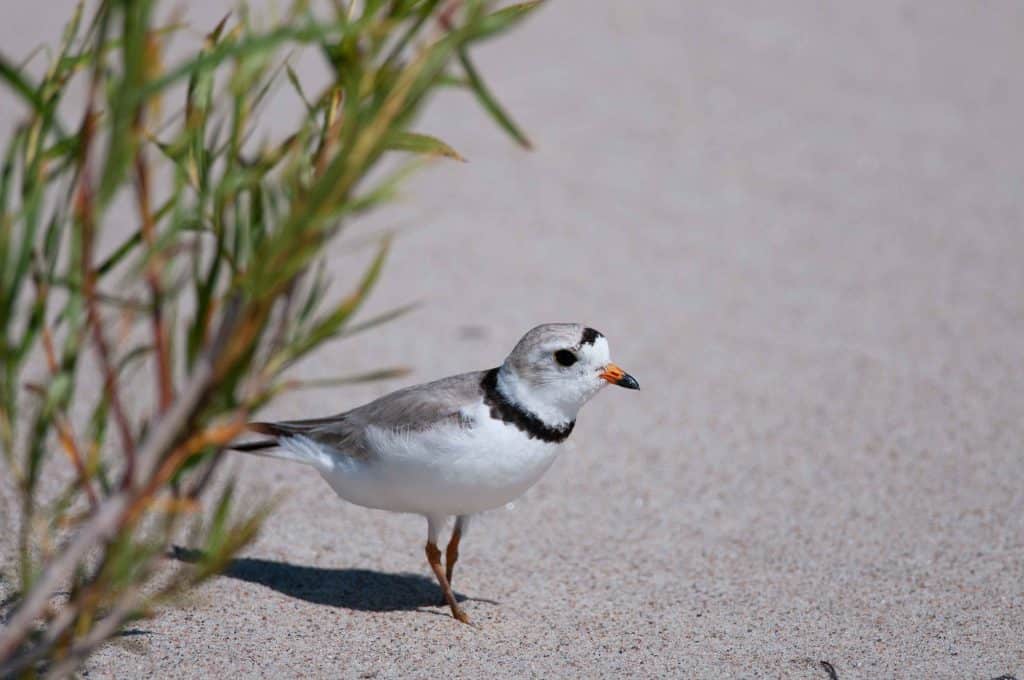
- Look for webbing (common in water fowl).
- Are there 3 or 4 toes? – fun fact woodpeckers are the exception to this and have 2 toes pointing forward and two pointing backward!
- Is the track wide and splayed or narrow and linear?

OBSERVE TRACK PATTERNS
An animal’s movement leaves behind a gait pattern, which can offer big clues. Here are the four most common:

- Diagonal Walkers
- A straight line of single prints as the animal moves opposite limbs together (ex: deer, foxes).
- Bounders
- Front and back feet land almost together in pairs, with back feet just behind the front ones (ex: weasels).
- Hoppers
- Four prints grouped closely together, with larger back feet landing ahead of the front feet (ex: rabbits, squirrels).
- Pacers
- A side-to-side movement leaves a staggered print pattern (ex: raccoons, bears).
OTHER KEY IDENTIFYING FEATURES:
- Track quantity:
- Are there many overlapping tracks (suggesting a group)? Or a single set of prints moving in one direction?
- Depth and clarity
- Heavier animals will leave a deeper and more defined print.
WHY IS IT USEFUL TO KNOW WILDLIFE TRACKS?
Whether you are a hunter, gatherer, bird watcher, or nature lover in general, it can be very important for yourself and others to learn how to identify animal tracks. It can enhance your connection and knowledge of nature, improve your tracking and observation skills, help with wildlife research and/or photography, and aid in safety awareness – knowing if a predator or large animals are around can very well save you or others from a dangerous situation.
TEST YOUR SKILLS
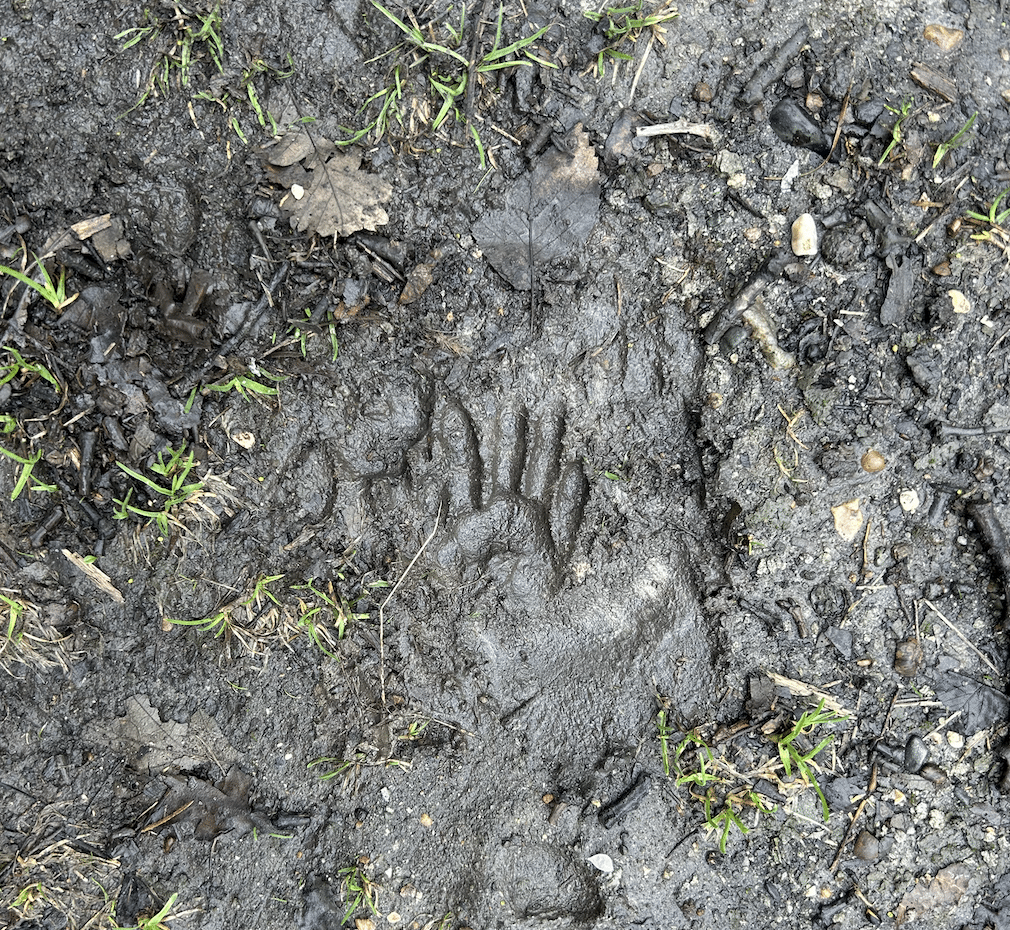
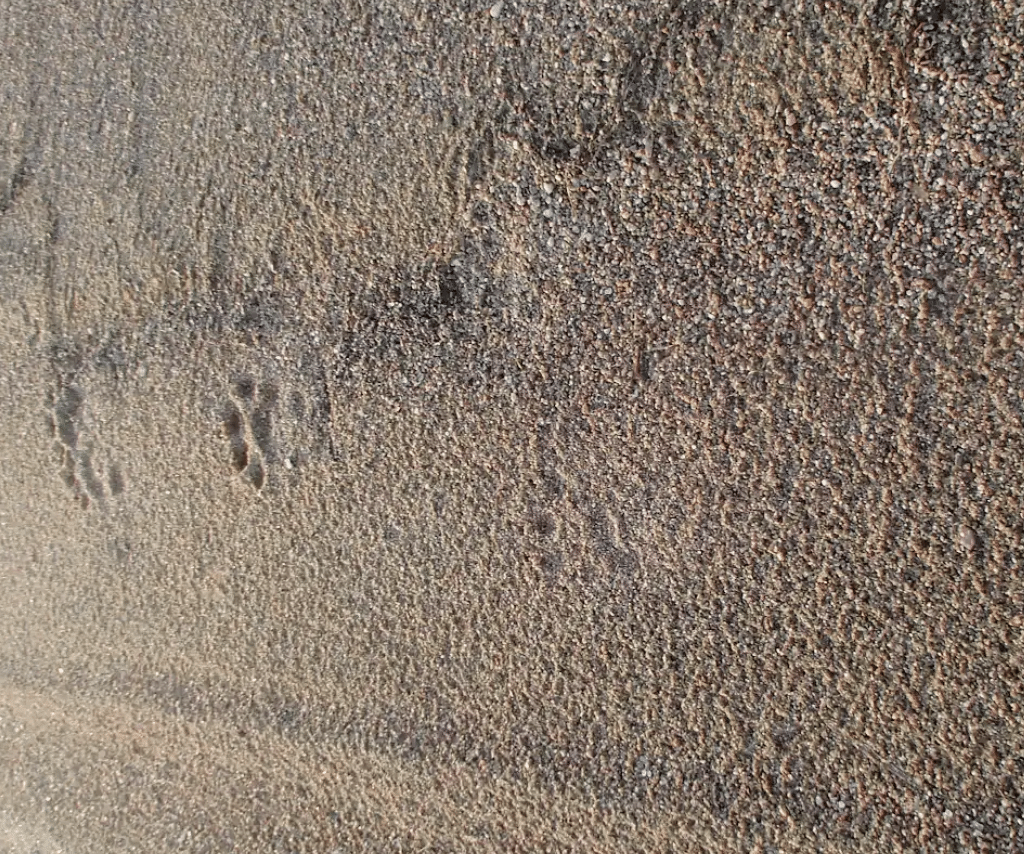
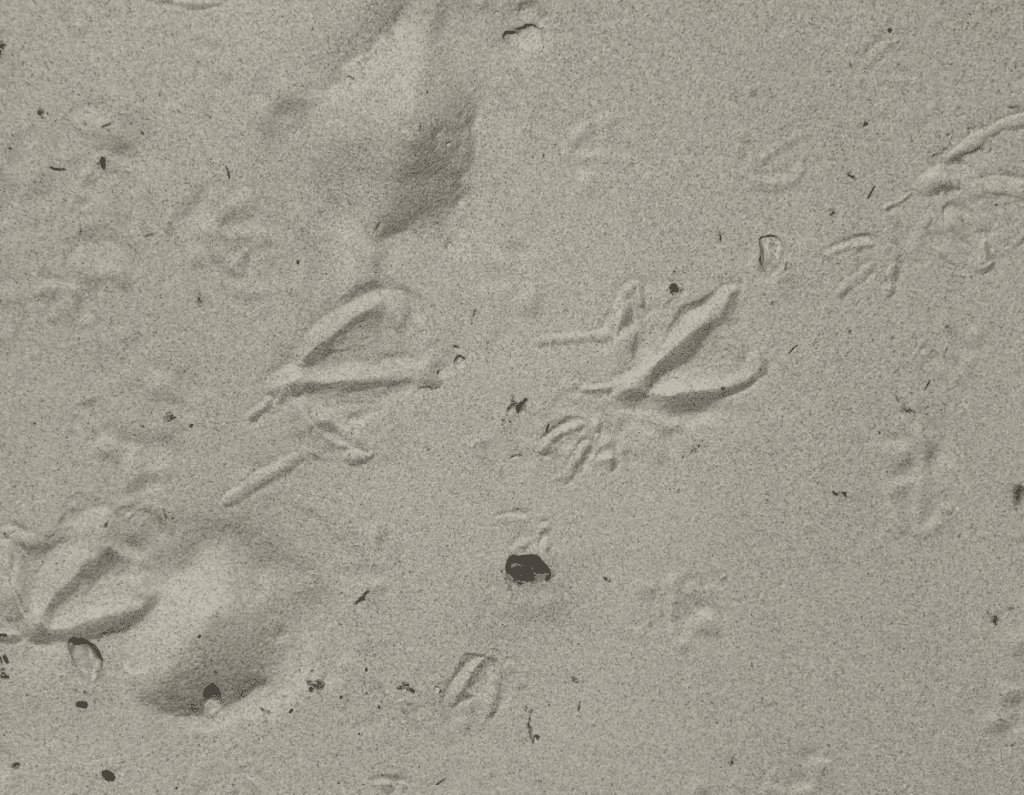
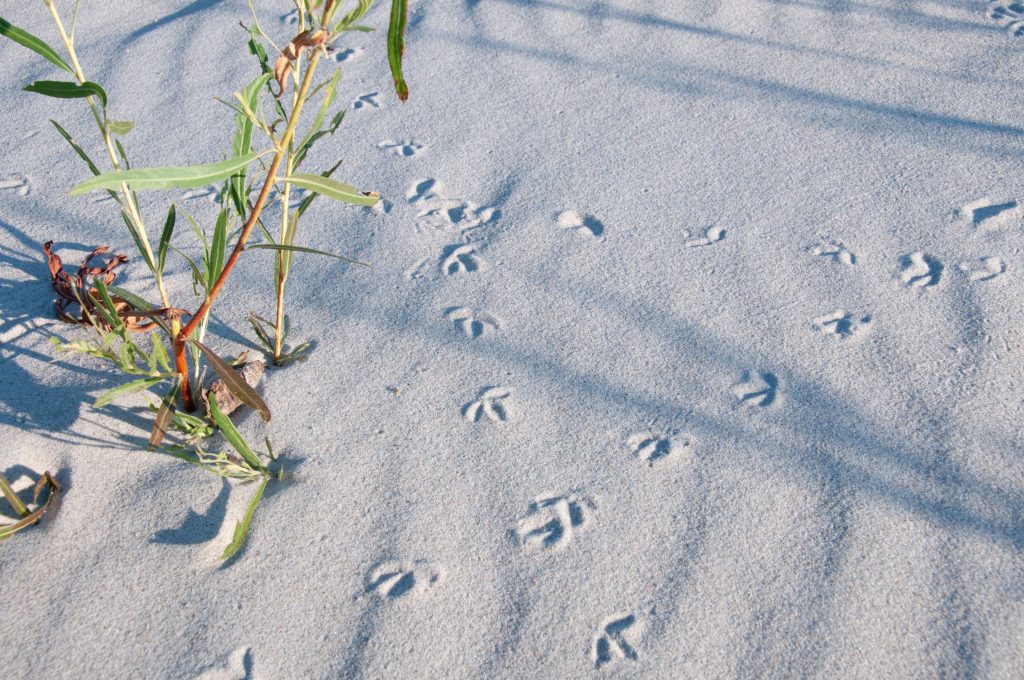
Your turn! Now is the time to test your skills – how many of these tracks can you identify? (see the bottom of this blog for the answers)





LEARN MORE HERE:
Here’s an additional resources to help identify Manitoba Animal Tracks:
Answers to above pictures:
- Raccoon
- Black Bear
- Pelican
- Garter Snake
- Piping Plover
This article was originally shared by our friends at FRCN Conservation Areas Initiative.